
Karex, the world’s largest condom manufacturer, plans to raise prices by up to 30% amid raw material shortages and supply chain disruptions linked to the Iran war.
The world’s largest condom manufacturer, Karex, has announced plans to increase prices of its products by up to 30 per cent, citing mounting pressure from raw material shortages and supply chain disruptions linked to the ongoing Iran war.
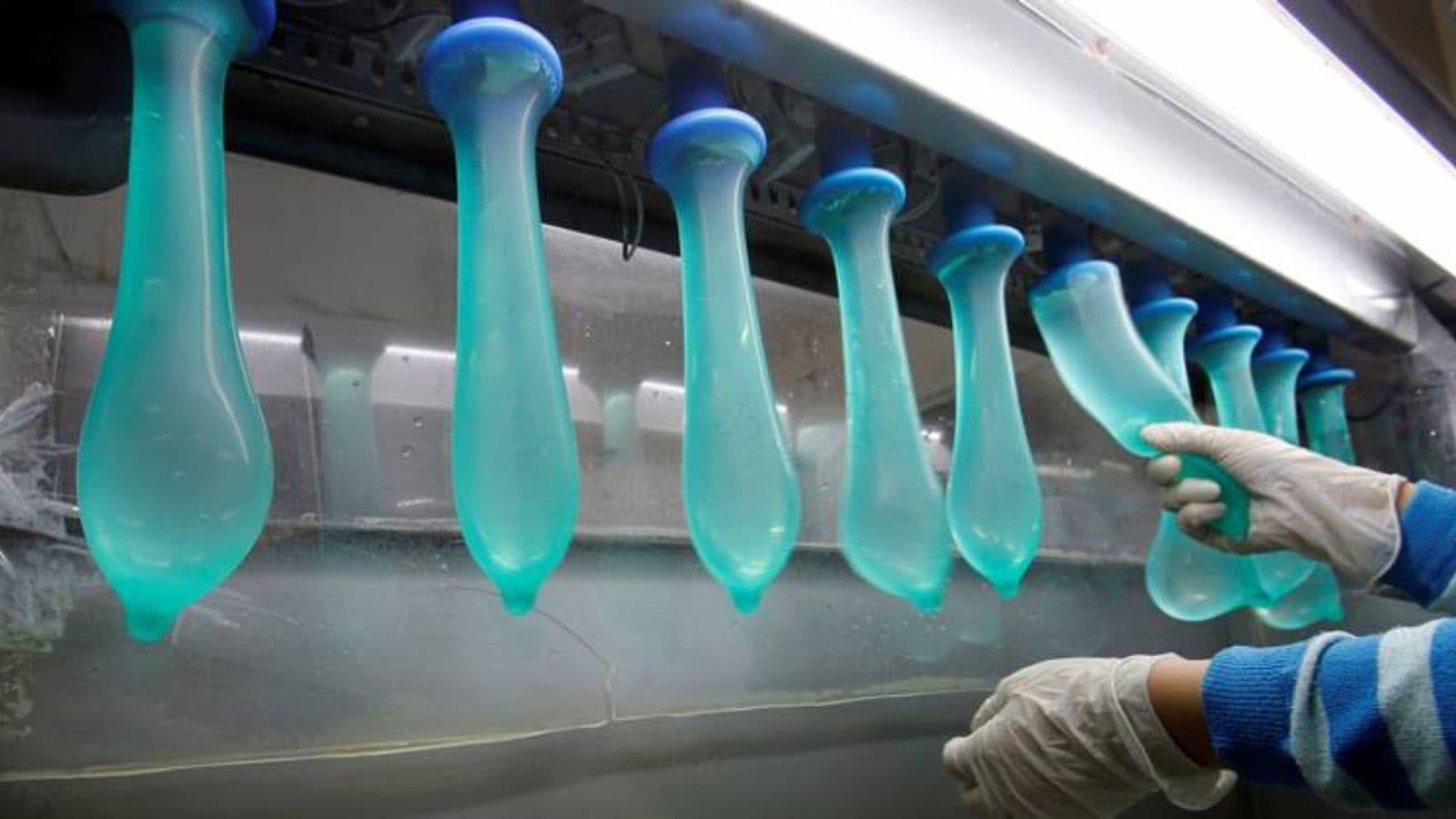
The Malaysia-based company, which produces about five billion condoms annually, said a sharp rise in input costs, global shipping disruptions and higher freight rates have made the price revision unavoidable.
According to Karex chief executive Goh Miah Kiat, the conflict has significantly impacted the availability and pricing of key materials used in condom production.
“Some raw material prices have increased by 100 per cent. We have no choice but to make adjustments now,” Goh said in an interview with The New York Times.
The disruption has been exacerbated by the de facto closure of the Strait of Hormuz, a critical global shipping route. This has driven up oil and gas prices, in turn affecting the cost of materials such as nitrile and synthetic rubber, silicone oil, packaging inputs and aluminum foil.
Risk of production disruptions and job losses
Karex, which accounts for roughly one-fifth of global condom production, relies on more than a hundred chemicals and raw materials sourced from across Asia and Europe. Goh warned that even a shortage of a single component could disrupt manufacturing operations.
“If the war persists, a shortage of even one item could ripple through factories and bring production to a halt,” he said, adding that jobs could also be at risk if disruptions continue.
The company employs around 3,000 people across its manufacturing facilities in Malaysia and Thailand.
Karex supplies major international brands such as Durex and Trojan, and also produces its own “One” brand, which retails at about 9 ringgit (over $2) for a pack of three in Malaysia, the NYT reported.
The company has historically played a key role in supplying condoms for government-backed AIDS prevention and family planning programs. However, that segment saw a decline last year following funding cuts by the administration of Donald Trump to the US Agency for International Development.
Despite these challenges, Goh said demand for condoms has risen this year, particularly in developing countries. He also warned of potential panic buying if the conflict continues and supply constraints worsen.
“Everyone hopes that this ends fast and swiftly,” he told the NYT.