
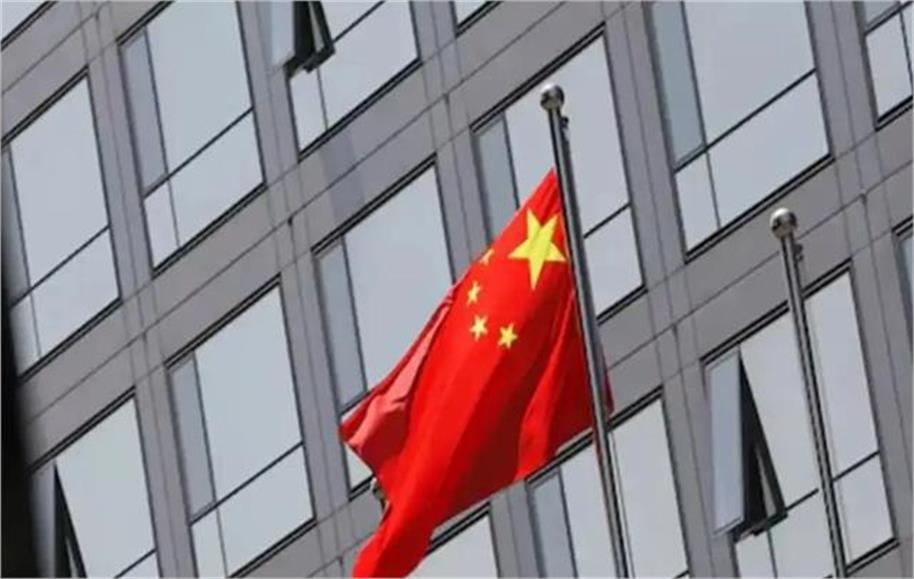
Taiwan has sharply accused China of escalating its intimidation campaign against Taiwanese religious followers after three citizens linked to the ‘I-Kuan Tao’ movement were detained this month in Fujian and Guangdong provinces. Taipei warned that Beijing is increasingly using vague security and religious regulations to target Taiwanese visitors.
Beijing: China is once again under fire for what Taiwan describes as a systematic crackdown on Taiwanese religious groups. Taiwan’s semi-official Straits Exchange Foundation said three Taiwanese citizens connected to the ‘I-Kuan Tao’ religious movement were stopped from leaving China before being detained under unclear and suspicious circumstances.
Luo Wen-jia, Secretary-General of the foundation, condemned Beijing’s actions and criticised the lack of transparency surrounding the detentions. Taiwanese authorities say China has failed to provide any formal explanation or official notification regarding the cases.
Reports indicate that since 2019, at least 19 Taiwanese citizens have been detained across 17 religion-related cases in China. Fourteen of those detained were linked to the ‘I-Kuan Tao’ movement, while others were associated with Christian organisations and the Unification Church. Taiwanese officials and civil groups have repeatedly warned religious followers against travelling to China, citing Beijing’s tightening grip on religious freedom and growing hostility towards independent faith groups.
Luo also raised alarm over China’s newly passed “Ethnic Unity and Progress” law, arguing that the legislation could further expand state powers and expose Taiwanese citizens to even greater risks while visiting the mainland.
Taiwan accused China of deliberately withholding information and operating without accountability as official communication channels between the two sides remain frozen for nearly a decade.
Tensions between Taiwan and China continue to deepen, with Beijing aggressively asserting sovereignty claims over the self-ruled democratic island, while Taiwan rejects China’s authority and insists on its separate political identity.