
Araghchi’s comments come after United States President Donald Trump Friday expressed his dissatisfaction with the latest Iranian proposal for talks on the Iran war.
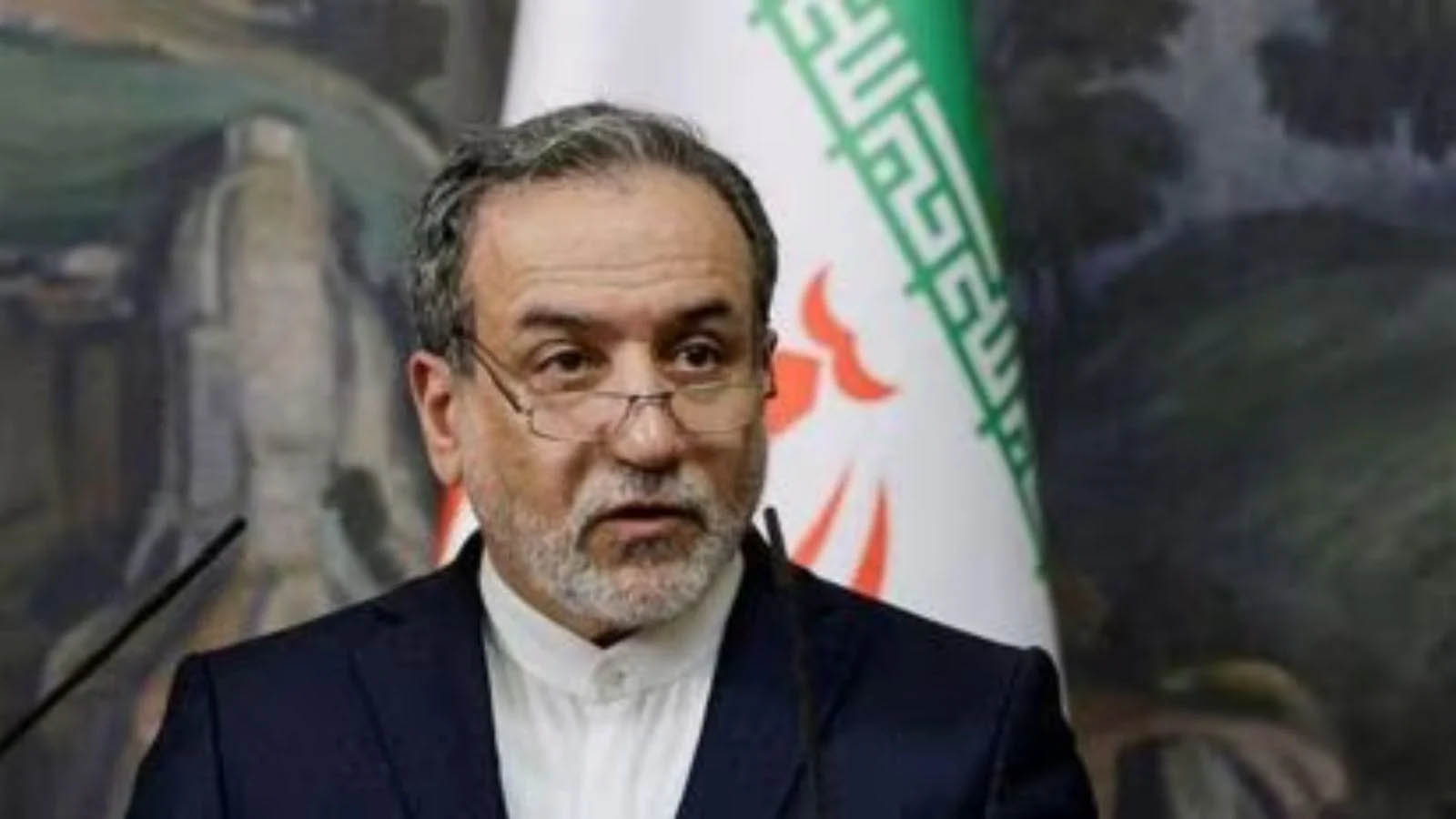
Iran’s Foreign Minister Seyed Abbas Araghchi Saturday said Tehran will remain open to dialogue and diplomacy if Washington altered its “expansionist approach” and its “threatening rhetoric”.” Araghchi’s comments came after United States President Donald Trump on Friday expressed his dissatisfaction with the latest Iranian proposal for talks on the Iran war.
While Tehran has softened some of its earlier demands in its new proposal, Iran’s Foreign Ministry said ‘quick results’ were unlikely, Reuters reported.
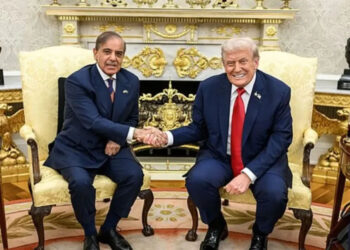
In response to the proposal, Trump said, “They want to make a deal, but… I’m not satisfied with it,” adding that the Iranian leadership was “very disjointed” and split into 2-3 groups. “They’re asking for things that I can’t agree to,” he said.
Trump, in his peace proposal since the beginning of the negotiations mediated by Islamabad last month, has demanded Iran to give up its control over the nuclear weapons.
Araghchi, meanwhile, has said his country was ready to pursue diplomacy if the US changed what he referred to as its “excessive approach, threatening rhetoric and provocative actions.”
Aragchi also added in a post over his Telegram channel that “Iran’s armed forces remained ready to defend the country against any threat.”
What is in Iran’s fresh proposal?
Iran has laid down a phased approach for negotiations with the US, which includes starting talks on the reopening of the Strait of Hormuz — a key global energy route — while demanding US guarantees on halting its attacks on the Islamic country.
It has also dropped its earlier demand of Washington fully lifting its blockade ahead of the beginning of talks. It has also deferred the discussions on Iran’s nuclear programme to a later stage, in exchange for potential US sanctions relief, the Wall Street Journal report stated.
The latest proposal comes amid a fragile ceasefire since early April, which follows intense conflict that began on February 28 with US and Israeli strikes jointly targeting Iran’s military and nuclear infrastructure.
(With inputs from agencies)