
While US-Israeli attacks hit key infrastructure, hardliners demand withdrawal from Nuclear Non-Proliferation Treaty.
Iranian politicians are calling for the country to withdraw from the Treaty on the Non-Proliferation of Nuclear Weapons (NPT) as attacks by the United States and Israel continue, according to Al Jazeera.
Lawmakers say a bill has been introduced in parliament to begin the process, though any final decision will require approval from key state bodies.
PUSH FOR EXIT GAINS GROUND
A member of Iran’s parliament has announced that a bill had been submitted demanding that Tehran withdraw from the Treaty on the Non-Proliferation of Nuclear Weapons (NPT).
In a post on X, Malek Shariati said that the bill has been referred to the deputy of laws in parliament.
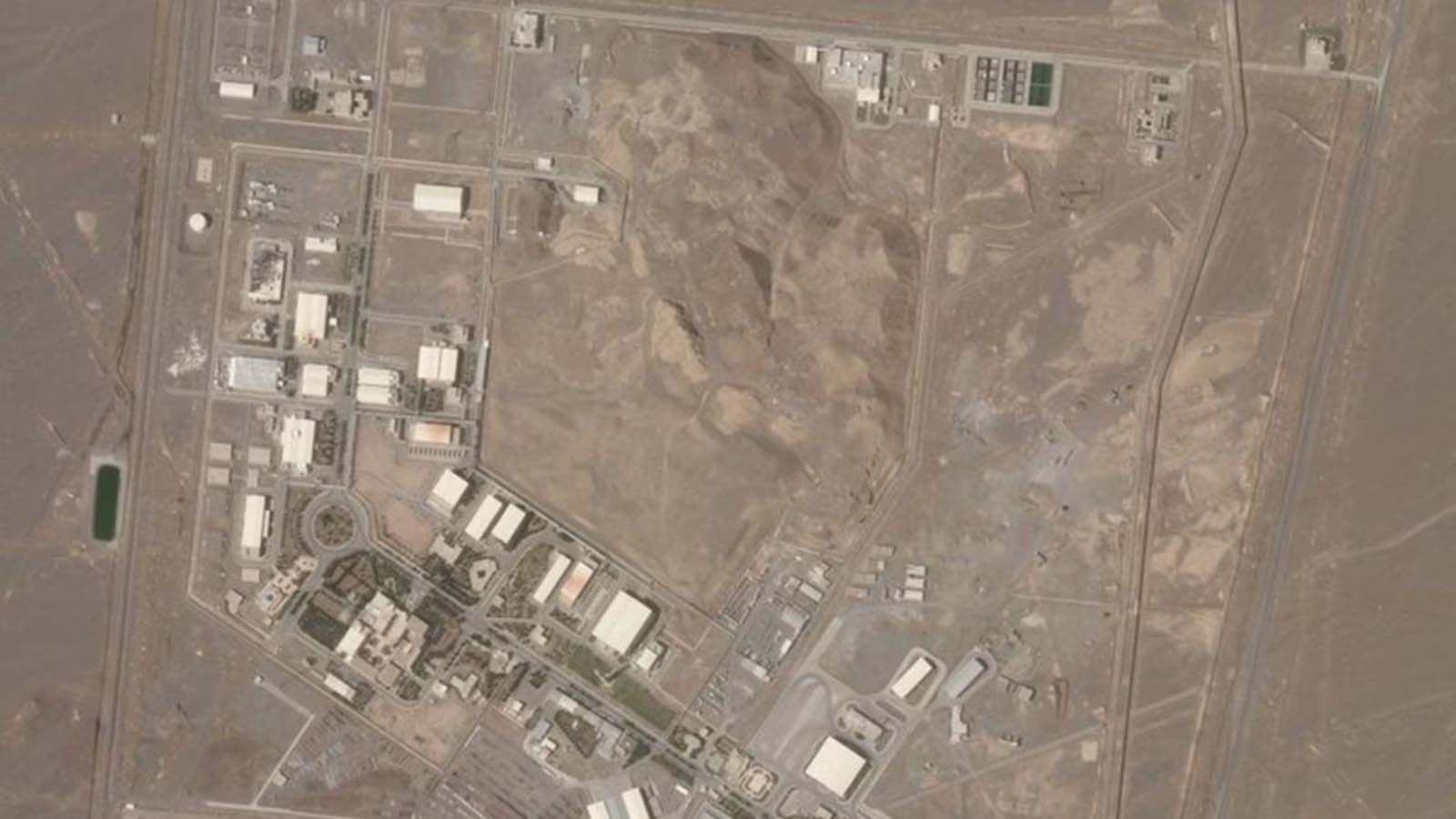
Demands have grown for Iran’s withdrawal from the NPT as the US and Israel continued to launch multiple strikes on Iran’s nuclear energy facilities including in Bushehr.
Shariati said he is also pushing for a repeal of an Iranian law, which serves as a framework for the 2015 Iran nuclear deal, which US President Donald Trump abandoned during his first term in office.
It would be meaningless for Iran to remain a signatory to the international treaty as it “has had no benefit for us”, said Ebrahim Rezaei, spokesman for the national security commission of parliament, in a Friday night post on X.
The calls come as Iranian officials accuse the International Atomic Energy Agency of bias, a charge the agency has rejected.
WHAT IS THE WAY AHEAD FOR AN NPT EXIT?
Any move to leave the treaty would follow a formal process inside Iran. If parliament approves the bill, it must also be cleared by the Guardian Council before the government can act.
The proposed legislation, according to lawmakers, would:
- Withdraw Iran from the NPT
- Remove legal commitments tied to the 2015 nuclear deal
- Support cooperation with other countries on civilian nuclear technology
Officials have not set a timeline, but the debate has intensified as strikes have targeted nuclear-related sites and other infrastructure.
Iran is a signatory to the NPT, which aims to prevent the spread of nuclear weapons while allowing peaceful nuclear activity under monitoring.
Lawmakers have in the past raised the idea of leaving the treaty in response to external pressure. The current conflict has brought the issue back to the centre of political discussion.
There has been no official confirmation yet that Iran will exit the treaty, and the outcome will depend on internal approvals and the course of the conflict.