
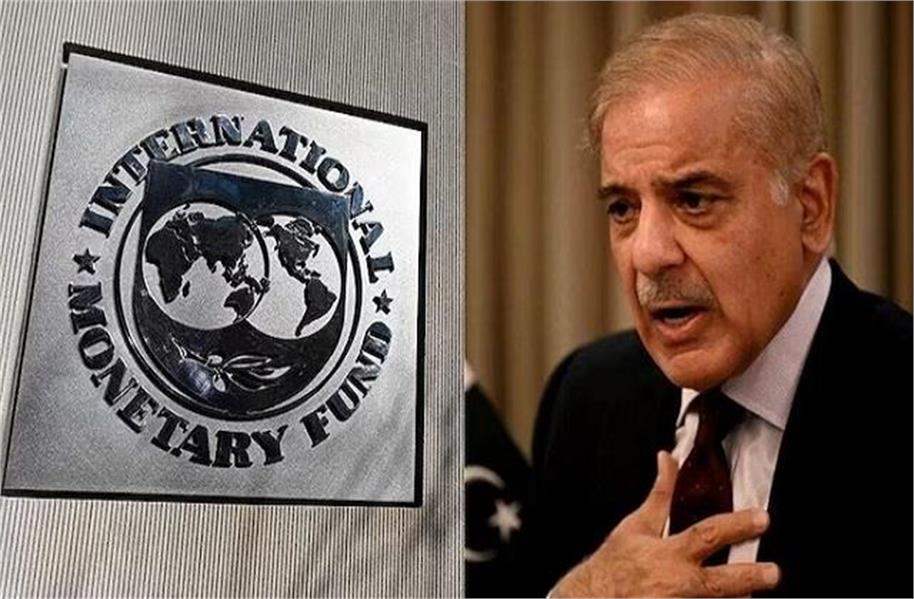
Pakistan has once again turned to the International Monetary Fund (IMF), securing approval for $1.2 billion in fresh assistance. The move underscores a persistent and uncomfortable reality: the country remains heavily dependent on external bailouts, with little evidence of a durable exit from the cycle of debt and rescue.
International Desk: Yet another approach to the IMF, yet another tranche approved. While officials present the development as progress, critics argue it reflects a deeper structural failure — an economy that repeatedly leans on international lifelines instead of achieving sustainable reform.
How was the $1.2 billion cleared?
The latest approval follows a preliminary agreement under two IMF frameworks. The third review of the Extended Fund Facility (EFF) has been completed, alongside the second review of the Resilience and Sustainability Facility (RSF).
Talks between IMF officials and Pakistani authorities in Karachi and Islamabad from 25 February to 2 March initially failed to produce a breakthrough. Only after prolonged virtual negotiations did both sides arrive at a deal — highlighting the fragility and difficulty of the process.
What will Pakistan actually receive?
According to the Ministry of Finance, the agreement covers both the 37-month EFF and the 28-month RSF programmes. Subject to IMF Board approval, Pakistan is expected to receive roughly $1 billion under the EFF and about $210 million under the RSF.
A pattern that keeps repeating
This is not an isolated development. Pakistan entered a $7 billion IMF programme in 2024 under the Extended Fund Facility — a programme aimed at stabilising the economy, restoring investor confidence, and pushing through long-delayed fiscal and energy-sector reforms.
Yet the repeated need for reviews, disbursements, and fresh negotiations raises a fundamental question: are these reforms truly taking root, or merely sustaining a cycle of dependency?
Climate funding — relief or another layer of reliance?
In addition, Pakistan secured $1.4 billion last year under the RSF to address climate and disaster-related challenges. While aimed at improving resilience, water efficiency, and green finance, it also adds to a growing stack of externally supported programmes.
The larger question
Each new tranche may provide temporary breathing room, but it does little to resolve the underlying issue: an economy that continues to rely on external intervention to stay afloat. Until structural reforms translate into lasting stability, the question will persist — how long can this dependence continue before the model itself runs out of road?