
Amid escalating tensions in the Middle East, China has moved swiftly to raise petrol and diesel prices, exposing deep concerns about its heavy reliance on imported energy and the risk of a looming fuel crunch.
International Desk: The ongoing conflict in the Middle East is beginning to ripple through China’s economy, prompting authorities to take pre-emptive but telling measures. The National Development and Reform Commission (NDRC) has approved a significant increase in fuel prices, citing a sharp and unusual rise in global oil markets.
While officials claim the move is aimed at stabilising the economy and ensuring fuel availability, it also underscores Beijing’s underlying vulnerability to external shocks—particularly those tied to critical oil routes beyond its control.
Under the revised pricing, petrol has been increased by 1,160 yuan per tonne and diesel by 1,115 yuan per tonne. The announcement triggered a rush at petrol stations across the country, with motorists scrambling to fill their tanks—an early sign of public anxiety over potential shortages.
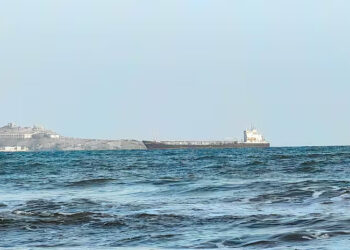
At the centre of the concern is the Strait of Hormuz, a strategic chokepoint through which roughly 20% of the world’s energy supply flows. Any disruption in this corridor, now under heightened threat due to regional conflict, could severely impact global oil distribution—and hit import-dependent economies like China the hardest.
China’s dependence is particularly stark: around 70% of its crude oil is imported, with nearly half of that passing through the Strait of Hormuz. In effect, close to one-third of its total oil supply hinges on a single, highly volatile route.
Although analysts point to China’s emergency reserves—estimated to cover about four months—and its long-term energy ties with Russia as buffers, these safeguards may only offer temporary relief. If the crisis drags on or intensifies, the pressure on China’s energy security—and by extension, its economic stability—could grow significantly.