
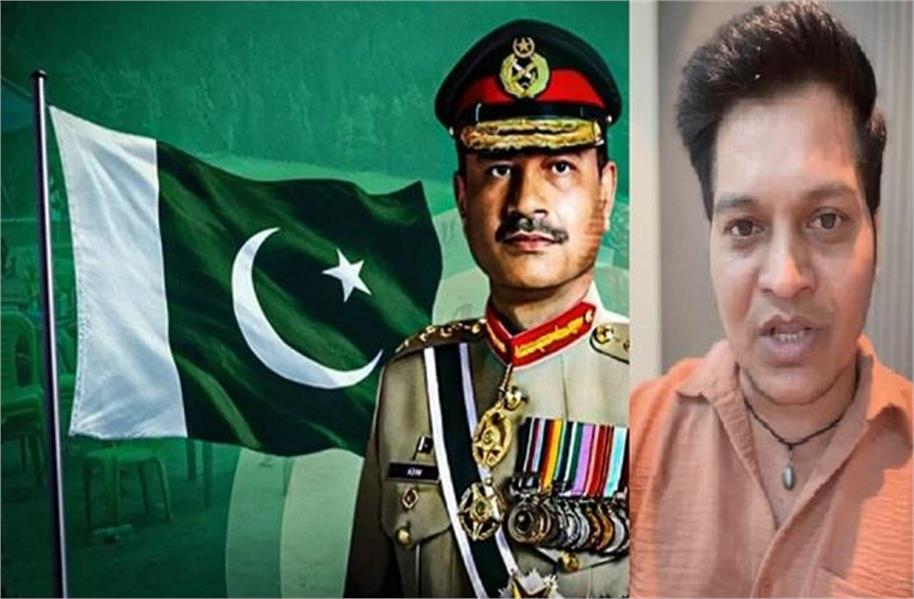
International Desk: Pakistan’s military establishment is facing renewed scrutiny after a wave of unverified but widely circulated claims suggested deepening internal divisions at the highest levels of command. The reports, amplified on social media by former Indian NSG commando Lucky Bisht, allege rising dissatisfaction within the ranks and warn of a potential breakdown in cohesion.
Although no official confirmation has been issued, defence analysts caution that even the perception of discord within Pakistan’s most powerful institution could have far-reaching consequences. For decades, the military has been portrayed as the backbone of the state, yet these latest claims risk undermining that carefully cultivated image.
At the centre of the controversy is Army Chief Asim Munir, who is increasingly being drawn into public debate over leadership and control. Social media discussions have also pointed to reported tensions involving Sahir Shamshad Mirza, raising questions about unity within the top brass. While internal disagreements are not unprecedented in Pakistan’s military history, analysts warn that visible fractures at senior levels could signal a more serious institutional crisis.
Pakistan has long been viewed internationally as a state where military influence eclipses civilian governance. The notion of a “hybrid regime” — in which elected officials operate alongside, and often beneath, military authority — has become a defining feature of its political landscape. These latest allegations appear to reinforce concerns that the balance of power remains both fragile and opaque.
Further complicating matters are lingering doubts about the military’s credibility. Reports from April 2025 regarding a purportedly leaked letter titled “Guardians of Honour” suggested dissatisfaction among junior and mid-ranking officers. The document allegedly criticised Asim Munir’s leadership, citing corruption, political interference, and economic mismanagement — accusations that, while unverified, have continued to circulate in public discourse.
For Pakistan, a nation already grappling with economic and political instability, the mere suggestion of unrest within its armed forces presents a troubling picture. Whether these claims prove substantiated or not, they have exposed vulnerabilities in an institution long considered unassailable — and raised fresh questions about the country’s internal stability and global standing.