
Rome said the suspension will not affect Spanish citizens or other EU nationals travelling to Italy.
Italy has paused the European Union’s border-free Schengen rules with Spain for one month, Reuters reported. The move follows a large wave of migrants crossing from Morocco into the Spanish enclave of Ceuta.
Rome said the suspension will not affect Spanish citizens or other EU nationals travelling to Italy. Instead, Italy will run targeted checks on non-EU nationals arriving from Spain by air or sea. In short, ordinary EU travel between the two countries stays the same. The checks are aimed only at non-EU arrivals coming via Spain.
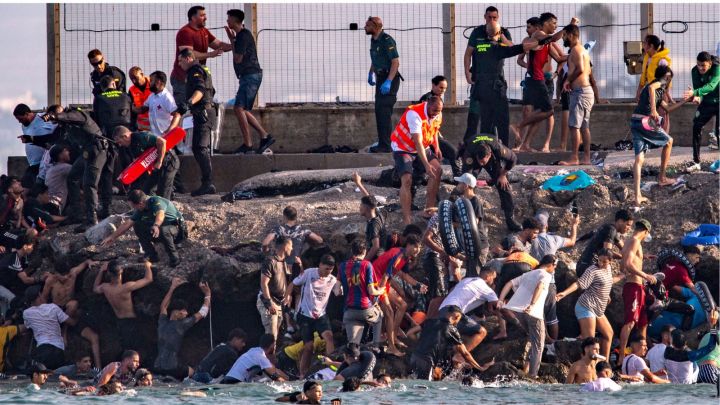
Ceuta is a small Spanish territory on the North African coast, bordering Morocco. Its location makes it one of the few land points where Africa meets the European Union, which is why it has long been a route for migrants trying to reach Europe.
WHY NOW?
The decision follows a sharp rise in migrant crossings into Ceuta, Spain’s North African enclave bordering Morocco.
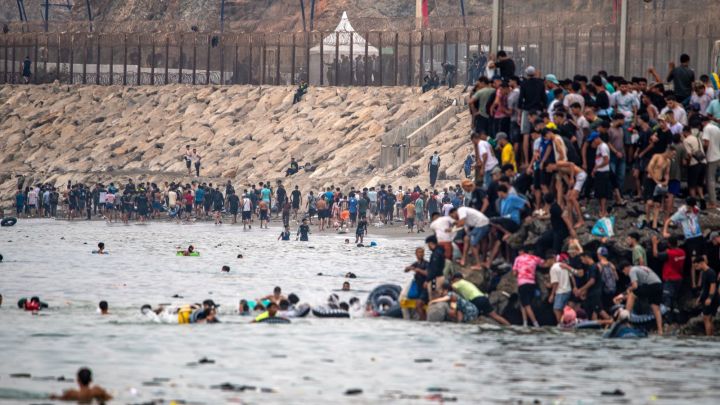
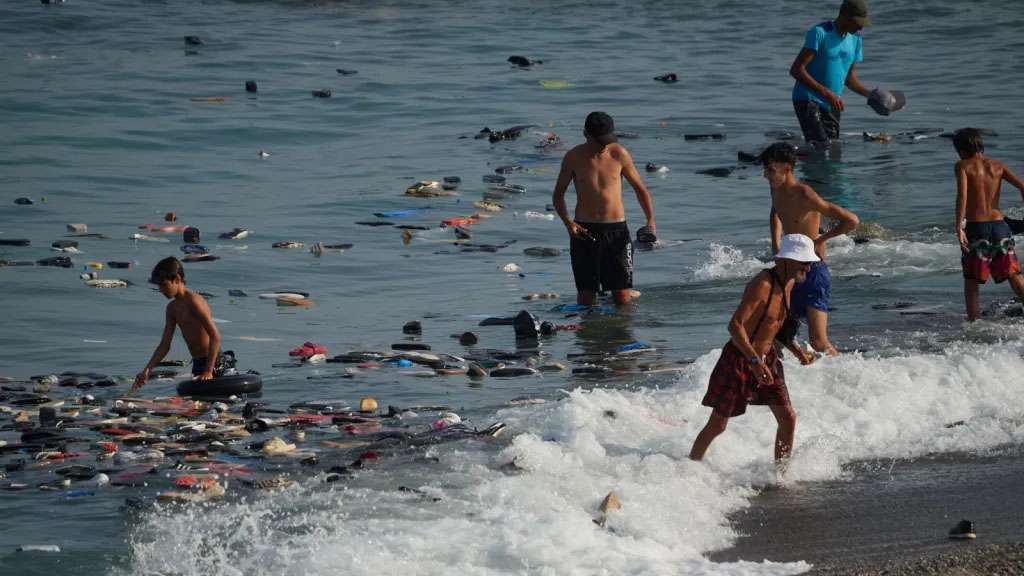
Thousands of people reached the territory on foot and by sea in a single day, prompting both Spanish and Moroccan authorities to step up efforts to control the crossings. Italy’s government points to this surge as the reason for the one-month suspension.
WHAT DO CRITICS SAY?
Critics of Prime Minister Giorgia Meloni’s right-wing government called the new border checks largely symbolic. They pointed out there is no sign that migrants arriving in Ceuta actually want to travel on to Italy.
Meloni’s coalition took power in 2022 promising to cut illegal immigration. It now faces pressure from a new far-right party led by former army general Roberto Vannacci, whose anti-migrant messaging has drawn support from some voters. With migration back in the headlines, the government has pushed a tough security stance. Centre-left opponents accused it of pandering to populists and straining ties with Spain.
Piero De Luca, a senior lawmaker with the opposition Democratic Party, called it “a purely demagogic proposal,” made for domestic politics and to compete with Vannacci, rather than a real solution.

Schengen allows passport-free travel across most of the EU. Countries can suspend it temporarily under specific conditions, usually citing security or migration pressures. Such suspensions are meant to be short and targeted rather than a full closure of borders. Italy’s move is limited in scope and time-bound, but it signals how sensitive migration routes through Spain and North Africa remain for EU border policy.
The suspension is due to last one month, after which Italy will need to decide whether to extend it, adjust it, or let it lapse. Similar temporary measures within the Schengen area have been used before by other EU countries during periods of heightened migration pressure or security concerns, and are typically reviewed at the end of their stated period. For now, Rome has not indicated whether it plans to seek an extension or coordinate a longer-term response with Spain and other EU partners.