
Trump, Xi Jinping and Vladimir Putin are expected to discuss Ukraine, Iran, nuclear weapons and global tensions at a proposed trilateral meeting in China.
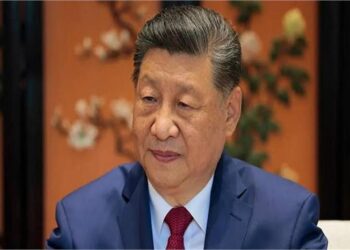
US President Donald Trump is heading to Asia this week after his party suffered a major setback in the midterm elections, and is likely to meet China’s President Xi Jinping and Russia’s President Vladimir Putin in a trilateral meeting on the sidelines of the Asia-Pacific Economic Cooperation (APEC) summit, where the leaders are expected to discuss global flashpoints, including the wars in Ukraine and Iran, nuclear weapons, and artificial intelligence.
Trump-Xi-Putin trilateral meeting in China
The US administration on Friday confirmed Trump’s attendance at the event, which is set to take place in China’s Shenzhen from November 18-19. Reports, however, indicate that the possibility of a grand bargain is slim. It would be the first time the three leaders — Trump, Jinping, and Putin — would meet in a trilateral gathering.
Nuclear weapons and non-proliferation on agenda
One of the topics likely to be discussed at the trilateral meeting, to be held on the sidelines of the APEC summit in China, is nuclear non-proliferation. Trump has said that discussion on nuclear weapons could produce a new agreement between the world’s biggest nuclear-armed states.
According to Olivia Wales, a White House spokesperson, “The President has made it clear that, among other topics, he will discuss the reduction of nuclear weapons in the world. This proliferation, President Trump believes, is very dangerous.”
Kremlin confirms November 19 meeting, China yet to respond
The Kremlin has also said the meeting is scheduled to take place on November 19 in Shenzhen, but there’s been no confirmation from the Chinese administration yet.
A spokesperson for Beijing’s embassy in Washington earlier said, “China is in communication with relevant parties regarding a meeting between the three heads of state. We have nothing to share at the moment,” Reuters reported.
Why the proposed summit is being compared to Yalta
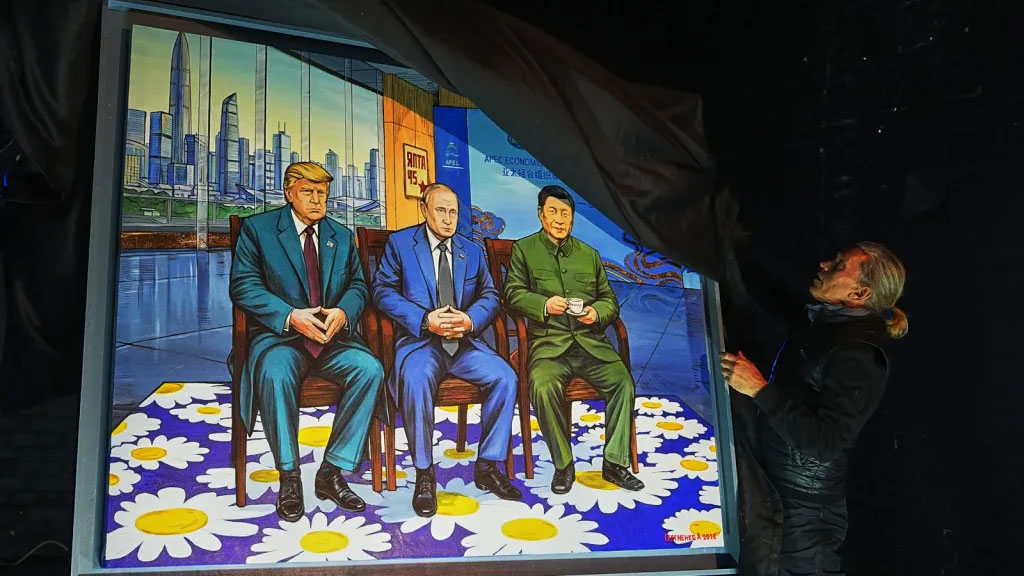
The proposed meeting between the leaders this week is drawing comparisons with the Yalta conference, held in 1945, between the US, the UK and the USSR that helped formalise spheres of influence, setting the stage for the post-World War 2 global order.
Russian nationalists are excited about the prospects of the talks, as they are viewing them as an updated version of Yalta that could potentially open the doors to ending the over four-year war with Ukraine that favours Moscow.