

By Chandan Singh | Page 3 News Worldwide | New Delhi
New Delhi: The Delhi Government has stepped up efforts to accelerate the scientific remediation of the Ghazipur landfill, with Urban Development Minister Ashish Sood directing officials to increase daily biomining capacity from 7,000 metric tonnes to 12,000 metric tonnes by July 31 and introducing weekly progress reviews to fast-track the clean-up.
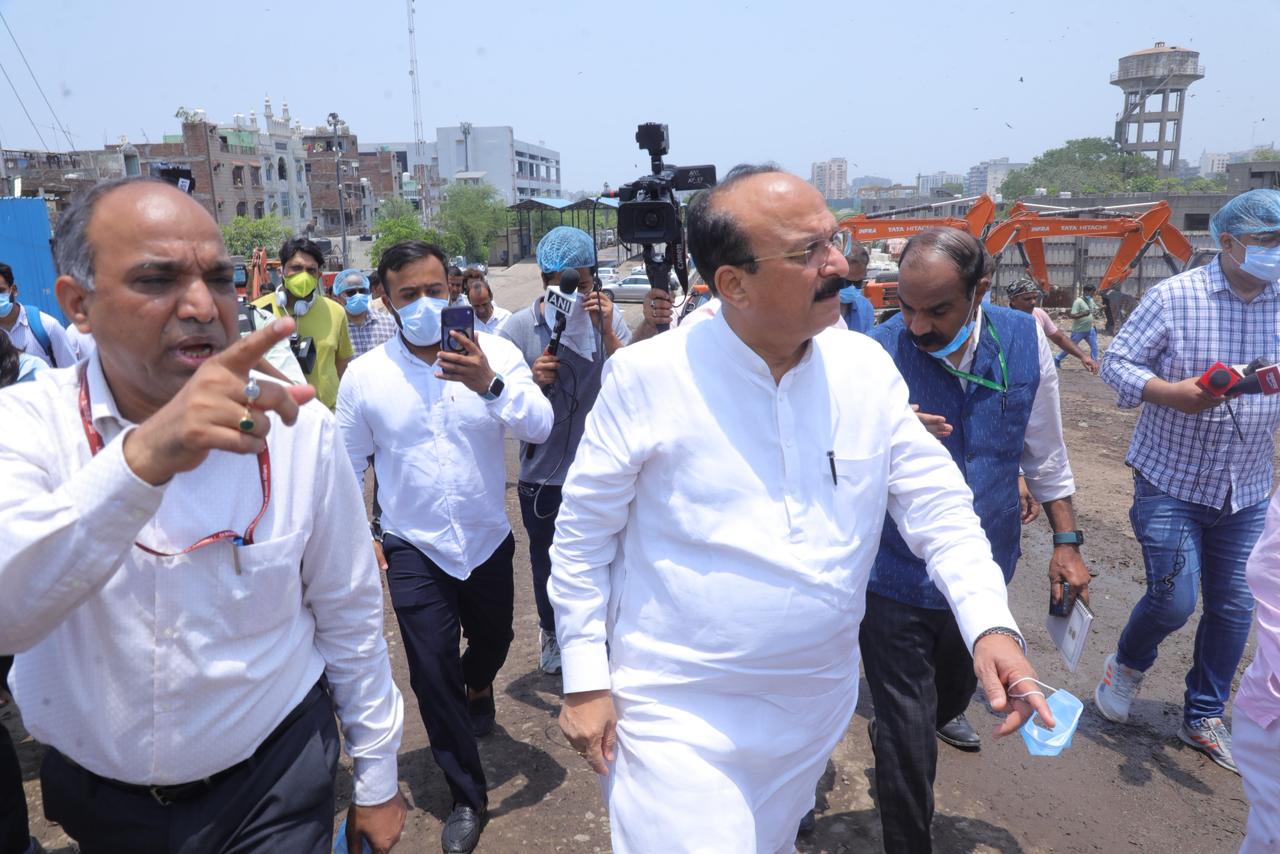
During an inspection of the Ghazipur landfill, one of the country’s largest legacy waste sites, the minister reviewed the ongoing remediation work with senior Municipal Corporation of Delhi officials and the executing agency. He said the government has adopted a mission-mode approach to eliminate Delhi’s legacy landfill sites through scientific waste management and strict monitoring.
According to the review, nearly 24 lakh metric tonnes of legacy waste have already been processed under Phase-II of the project, while around 20 acres of land have been reclaimed for future waste management infrastructure. The government aims to clear the remaining waste at the site by December 2027.
The minister identified two key challenges slowing remediation — the continuous inflow of fresh municipal waste and delays in the disposal of inert material generated during biomining. He directed officials to implement a separate processing system for fresh waste and submit a two-month action plan to prevent further accumulation at the landfill.
To address delays in inert disposal, officials were instructed to deploy additional transport vehicles and submit a compliance report within a week, ensuring uninterrupted biomining operations.
Ashish Sood also announced weekly monitoring of the Ghazipur remediation project and said he would personally review progress during another site visit next month. He reiterated the government’s commitment to scientifically eliminate the legacy landfill sites at Ghazipur, Bhalswa and Okhla through time-bound implementation and result-oriented governance.


