

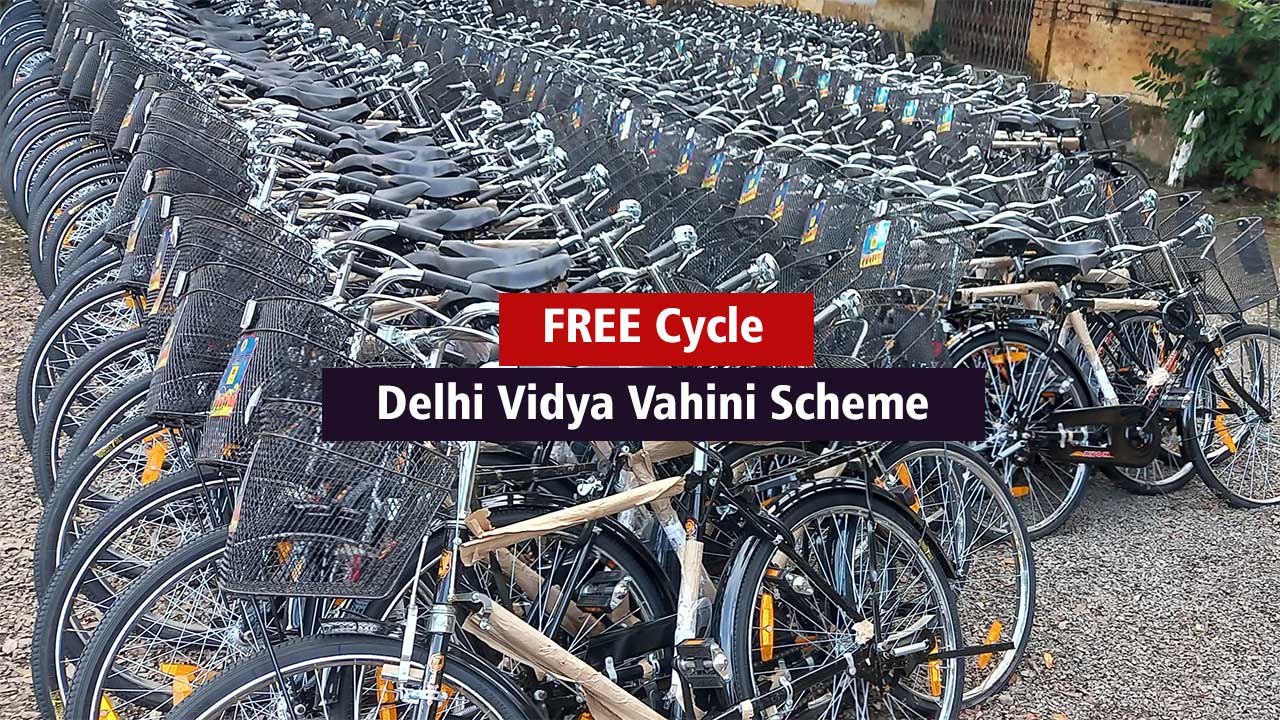
A political row over the purchase of bicycles by the government has centred on a basic price comparison: if an individual can buy a bicycle for around ₹4,000, why did the government pay a different price?
The argument, attributed in the post to AAP Leader Saurabh Bharadwaj and his party colleagues, overlooks a key distinction, according to the X post: the government purchase was made through the Government e-Marketplace (GeM), rather than from a local retailer, Amazon, Flipkart or another private online seller.
GeM functions as a government procurement platform where eligible sellers compete for official orders. The government specifies its requirements, suppliers submit bids and, in a price-based tender, an eligible bidder offering the lowest qualifying price can be selected under the applicable procurement rules.
The post points to widely varying retail prices for the same or similar bicycle. It cites prices of ₹7,155 on Flipkart, ₹6,900 on Amazon and ₹6,246 on JustBuyCycle, while also referring to a bicycle reportedly available from a retailer for around ₹4,000.
However, these are retail prices, with individual sellers and platforms free to determine their margins, discounts and pricing strategies. The post argues that a retail receipt cannot automatically be treated as a benchmark for a government procurement conducted through a competitive bidding system.
It therefore says the central issue is not simply “What price is a shop charging?”
Instead, the questions are whether the procurement was conducted through GeM, whether the prescribed bidding procedures were followed, whether eligible bidders were allowed to participate and whether the winning bid was selected in accordance with the applicable procurement process.
If those requirements were met, the post argues, finding the same bicycle at a different price in the retail market does not, by itself, establish a scam.
A bicycle could be sold outside GeM for ₹6,000, ₹7,000 or ₹8,000, but that price alone would not establish what the government should have paid through its competitive procurement process.
The post’s broader argument is that scrutiny of the bicycle purchase should focus on the transparency and legality of the GeM procurement process, rather than relying solely on comparisons with unrelated retail prices.