
CM Rekha Gupta says capital will become India’s largest zero-emission mobility hub; citizens to receive benefits worth ₹15,000 crore by 2030
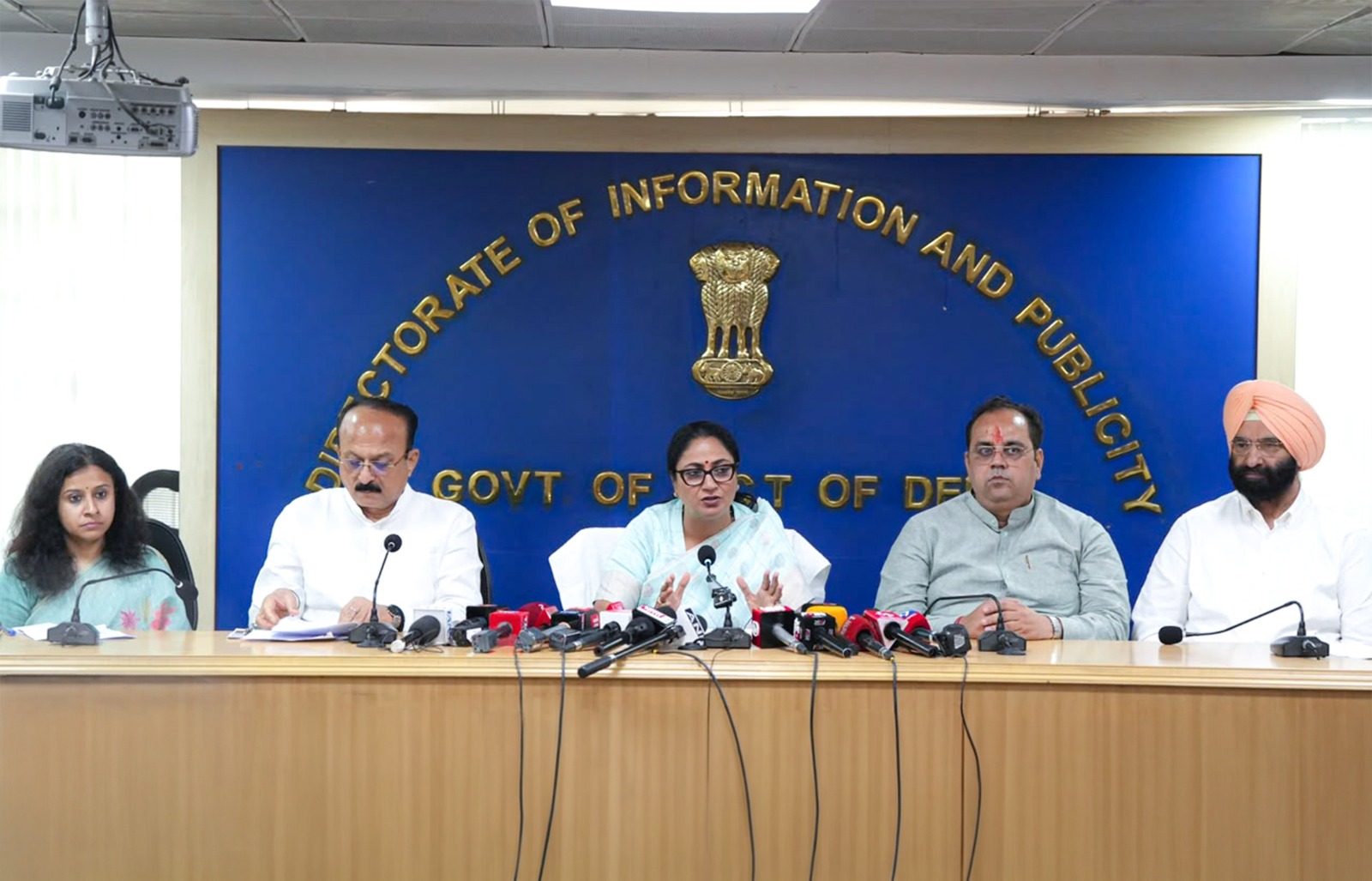
New Delhi: In a landmark push towards sustainable urban transport, the Delhi Cabinet, led by Chief Minister Rekha Gupta, has approved the Delhi EV Policy-2026, paving the way for an accelerated transition to electric mobility in the national capital. The policy, which comes into effect from July 1, 2026, after the Lieutenant Governor’s approval, will remain operational until March 31, 2030.
Announcing the policy, Chief Minister Rekha Gupta described it as a transformative initiative aimed at tackling pollution, modernising Delhi’s transport network and delivering substantial financial benefits to citizens. The government will invest over ₹7,000 crore in implementing the policy over the next four years, while incentives, tax exemptions and charging infrastructure support are expected to generate overall benefits of nearly ₹15,000 crore for EV buyers.
The policy provides purchase incentives of up to ₹30,000 for electric two-wheelers, ₹50,000 for electric three-wheelers and ₹1 lakh for eligible electric light commercial vehicles. Additional scrappage incentives have been announced for owners replacing older polluting vehicles, while all eligible electric vehicles will enjoy exemption from road tax and registration fees. Subsidies will be transferred directly to beneficiaries through the Direct Benefit Transfer (DBT) system.
The government has also announced a phased transition towards electric vehicle registrations. From January 1, 2027, only electric passenger and goods-carrying three-wheelers and eligible light goods vehicles will be newly registered in Delhi. From April 1, 2028, all new two-wheelers registered in the Capital will have to be electric. School buses will also be electrified in phases, with the government targeting 30 per cent electric school bus fleets by March 2030.
To support large-scale EV adoption, the government plans to install more than 30,000 charging points across Delhi during the policy period. Special incentives have also been announced for electric goods vehicles, including a 10-year exemption from no-entry restrictions for the first 1,000 eligible electric heavy trucks purchased shortly after the policy’s notification.
Calling the initiative a major step towards a cleaner and future-ready capital, Chief Minister Rekha Gupta said the policy integrates environmental protection, modern transport infrastructure and economic savings, adding that Delhi is poised to emerge as India’s leading zero-emission mobility capital.
Power Minister Ashish Sood said the policy represents more than an environmental reform, describing it as an economic and strategic investment that will reduce India’s dependence on imported fossil fuels while promoting the vision of an Atmanirbhar Bharat.