
Congo’s Ebola outbreak has crossed 2,000 deaths as cases rise rapidly in the east. Officials say conflict, strikes and the lack of a vaccine are letting the virus outrun the response.
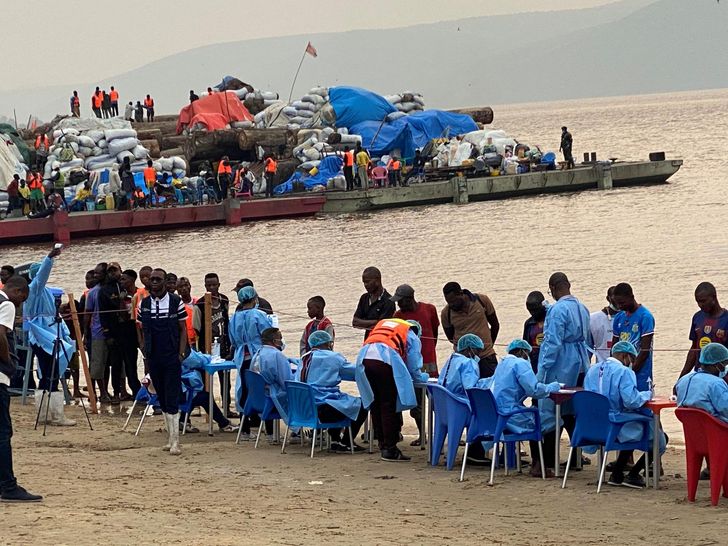
At least 2,000 people have died in Congo’s Ebola outbreak, which authorities say is the fastest-growing on record, according to the latest government data. Health teams are struggling to reach remote areas because of rebel conflict, poor roads and work stoppages linked to payment issues.
Data published overnight into Tuesday showed 4,381 confirmed cases and 2,011 deaths, with 704 patients in admission and isolation. Although the outbreak was declared on May 15, health authorities said sequencing showed it had begun months earlier, in February.
It took about nine weeks for the outbreak to record the first 1,000 deaths, but only around three weeks for that figure to double, showing the health crisis is moving faster than efforts to track and manage it. It is already the second-largest Ebola outbreak in history, behind the 2014-2016 West Africa outbreak, which recorded more than 28,000 cases and over 11,000 deaths.
This outbreak is different from most previous ones because it is being caused by the rare Bundibugyo virus, for which there are no approved vaccines or treatments. Clinical trials have begun in Ituri province in eastern Congo, the epicentre of the outbreak. Aid workers say the outbreak continues to outpace the response across the five affected eastern provinces. Many health workers have gone on strike over non-payment since the outbreak was declared. The World Health Organisation has also said that most new cases are still being recorded outside the list of monitored contacts, showing transmission remains beyond the control of health workers.
Ebola can be caused by different types of virus. While the type responsible for the 2014-2016 outbreak is considered the deadliest, government data shows this Bundibugyo outbreak has killed a higher share of patients because care and support are not reaching them quickly enough. Many cases are reporting symptoms late or not at all. The current outbreak has had a case fatality rate of 45.9 per cent, compared with 39.6 per cent in the 2014-2016 West Africa outbreak. “In the absence of an effective vaccine, control (for the outbreak) rests on identifying cases and then nursing them in secure facilities until they recover or sadly perish,” said Paul Hunter, a professor in medicine at the University of East Anglia in the UK. In a remote region with ongoing conflict and interrupted communications, routine surveillance can be very difficult and “identifying cases early enough to prevent spread can be impossible”, Hunter said.
The WHO said on Monday that at the start of the outbreak in one of Congo’s most remote and vulnerable areas, some cases were wrongly attributed to malaria and typhoid, and that early testing was carried out for the more common type of Ebola. WHO Regional Director for Africa Dr Mohamed Yakub Janabi told a news conference that officials are “chasing the virus, the virus is ahead of us”.
The first Ebola virus was identified in 1976 near the Ebola River in what is now Congo. The current outbreak is the 17th the country has faced and its largest so far, with infections and deaths continuing to rise as authorities struggle to keep pace with the spread.
With PTI Inputs