
Pakistan steps in as a mediator in the U.S.–Iran conflict, but behind the peace pitch lies a mix of economic pressure, strategic positioning, and survival instincts
As tensions heighten in the U.S.–Iran conflict, Pakistan has stepped forward as a potential mediator, but questions remain about whether this move is driven by peace or pragmatism.
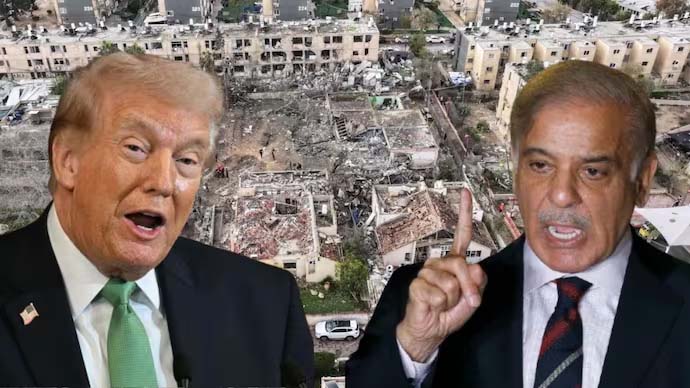
Behind the scenes, Islamabad, along with Egypt and Turkey, is reportedly facilitating communication between Washington and Tehran. Diplomatic sources suggest that a face-to-face meeting between U.S. and Iranian officials could even occur in Pakistan in the coming days, positioning the country at the centre of high-stakes negotiations.
However, Pakistan’s sudden diplomatic activity is not without context. Analysts argue that Islamabad’s motivations are deeply rooted in economic necessity, geopolitical positioning, and national security concerns.
At the forefront is Pakistan’s fragile economy. The ongoing conflict in West Asia has already disrupted global energy markets, especially through the Strait of Hormuz, a critical oil transit route. As a country heavily reliant on imported fuel, Pakistan has experienced rising energy prices, surging inflation, and increasing fiscal pressure. The government has already implemented austerity measures to manage the crisis. Simply put, a prolonged conflict could have devastating effects on Pakistan’s economic stability.
Beyond economics, strategic positioning also plays a vital role. By offering to mediate, Pakistan aims to reinforce its relevance on the global stage, particularly in its relationship with the United States under President Donald Trump. Islamabad is leveraging its unique position of maintaining working ties with both Washington and Tehran, projecting itself as a bridge between the two adversaries.
Security concerns further complicate the situation. Pakistan shares a long and sensitive border with Iran, and any escalation in the conflict could spill over into its territory. At the same time, Islamabad is already managing tensions along its western frontier with Afghanistan. A wider regional war would stretch its security forces and increase internal instability.
Adding to the complexity is Pakistan’s defence relationship with Saudi Arabia. Under a mutual defence agreement, any escalation involving Riyadh could draw Pakistan directly into the conflict. This makes de-escalation not just desirable but vital for Islamabad’s strategic interests.
While Pakistan publicly presents its role as a peace initiative, the underlying motives suggest a more complex reality. The mediation effort appears to be as much about safeguarding national interests as about resolving a global crisis.
In geopolitics, mediation is seldom an impartial act. For Pakistan, it is a calculated move, aimed at protecting its economy, strengthening diplomatic leverage, and avoiding involvement in a conflict it can scarcely afford.