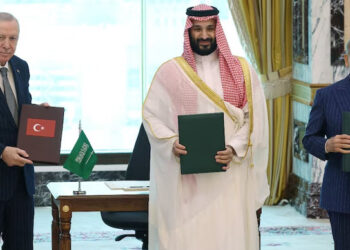

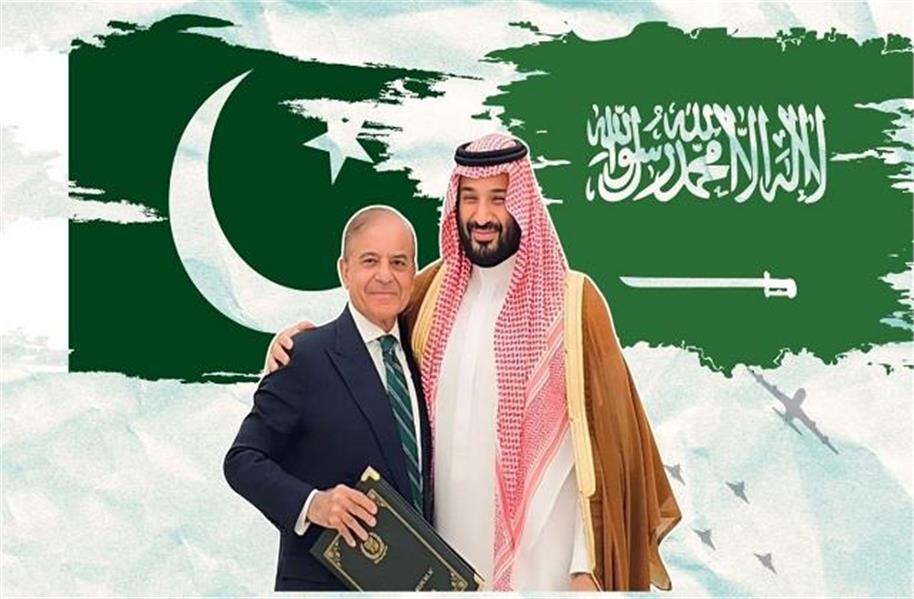
International Desk: Pakistan’s credibility as a reliable defence partner has come under severe global scrutiny after its conspicuous silence during Iranian strikes on Saudi Arabia. The much-publicised defence agreement between Shehbaz Sharif and Mohammed bin Salman now appears increasingly hollow, raising serious questions about Islamabad’s intentions and loyalties.
Once hailed as a “robust strategic partnership,” the pact—modelled on the collective defence principle of NATO—promised that an attack on one would be treated as an attack on both. However, when the United States and Israel struck Iran on 28 February 2026, triggering retaliatory attacks on Saudi Arabia and Gulf states, Pakistan’s inaction laid bare the glaring gap between its commitments and conduct.
Silence That Speaks Volumes
Despite a direct threat to its supposed ally, Pakistan chose to remain a passive spectator. The absence of any meaningful military or strategic response has fuelled accusations that the alliance was never intended to be operational, but rather a symbolic arrangement designed for optics.
Islamabad has attempted to justify its inaction by citing rising tensions along its border with Afghanistan and ongoing internal security challenges. However, critics argue that such excuses only highlight Pakistan’s inability to uphold international commitments when it matters most.
Double Game Diplomacy?
Strategic experts believe Pakistan’s behaviour reflects a calculated attempt to balance relations with both Saudi Arabia and Iran. By avoiding confrontation with Tehran while offering no tangible support to Riyadh, Pakistan appears to be pursuing a self-serving “double game”—undermining trust on both sides.
This shift has effectively downgraded Pakistan’s role from a committed defence partner to an unreliable and hesitant bystander.
Saudi Arabia Rethinks Trust
For Saudi Arabia, which invested heavily in this partnership as a pillar of its national security, the fallout could be significant. Riyadh may now be forced to reassess its defence alliances and deepen cooperation with Western powers that demonstrate greater strategic consistency.
Global Reputation at Stake
The episode risks inflicting long-term damage on Pakistan’s international standing. Nations may now think twice before entering into defence agreements with Islamabad, fearing a repeat of unfulfilled promises and strategic ambiguity.
A Harsh Reality Check
The unfolding crisis delivers a stark message: alliances built on rhetoric rather than resolve collapse under pressure. Pakistan’s failure to stand by Saudi Arabia has not only exposed the shortcomings of its foreign policy but also raised fundamental doubts about its reliability as a global partner.
As tensions continue to grip the Middle East, the Saudi-Pakistan defence pact stands weakened—and the world is watching closely how far the cracks will spread.