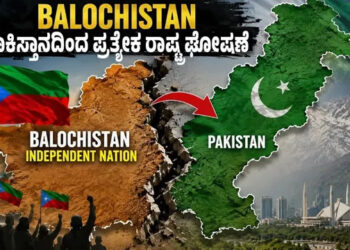

London: A provocative political essay circulating on X has reignited debate over Pakistan’s control of resource-rich Balochistan, portraying the province as the “overcoat” masking Pakistan’s economic fragility and internal crises.
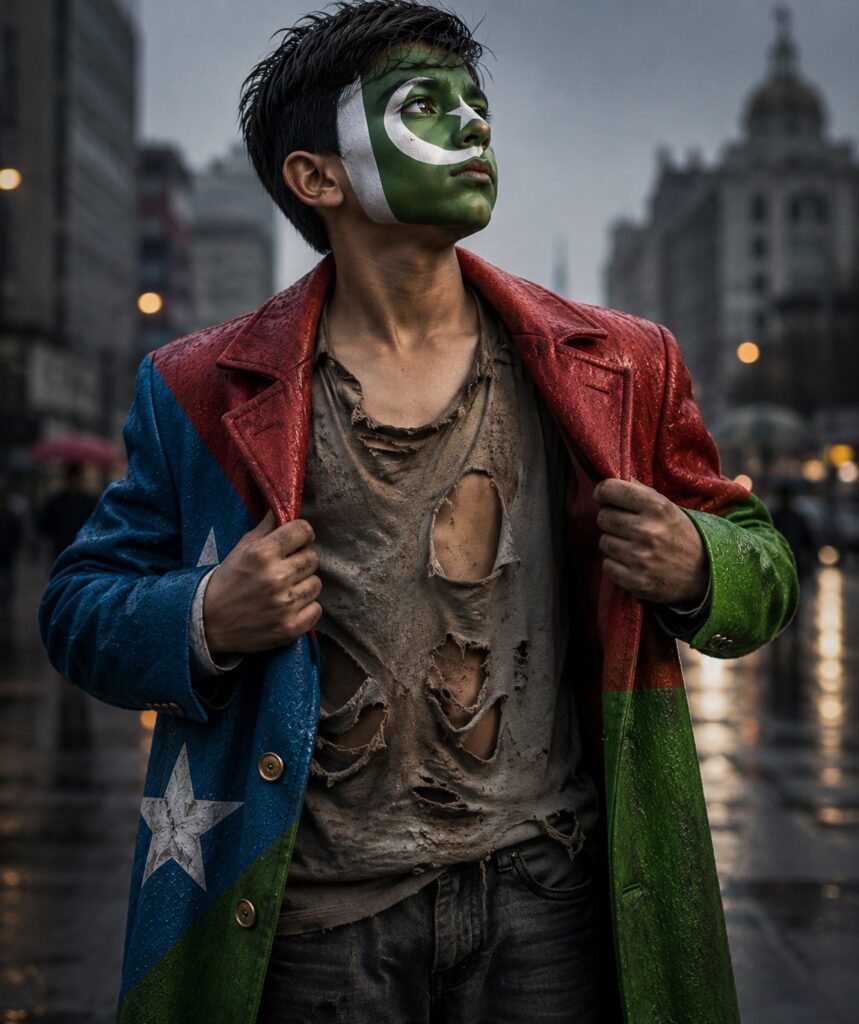
Written by Baloch activist and commentator Mir Yar Baloch, the post uses the metaphor of a poor schoolboy hiding patched clothes beneath an elegant overcoat to argue that Pakistan’s perceived strength rests heavily on Balochistan’s vast natural wealth, including gas reserves, minerals, ports and coastline.
The essay claims that Balochistan’s resources — from Gwadar port to gold, copper and natural gas deposits — have long sustained Pakistan’s geopolitical and economic relevance, while accusing Islamabad of suppressing Baloch aspirations through military force.
“Pakistan is merely wearing Balochistan’s geography and resources like an overcoat,” the post states, alleging that the international community has historically accepted Pakistan’s narrative without engaging directly with Baloch representatives.
The remarks come amid renewed tensions in Balochistan, where separatist groups have intensified attacks against Pakistani security forces and Chinese-linked infrastructure projects in recent years. Islamabad has consistently rejected accusations of exploitation, maintaining that development projects under the China–Pakistan Economic Corridor are aimed at improving regional prosperity and stability.
The viral post further argues that growing global attention toward the Baloch issue could eventually push foreign governments to engage directly with Baloch political figures rather than relying solely on Pakistan in matters concerning the province’s resources and strategic coastline.
Pakistan has long dismissed calls for Baloch independence as foreign-backed propaganda, insisting that Balochistan remains an integral part of the country. However, activists continue to accuse the state of enforced disappearances, political repression and unequal distribution of resource revenues.
The essay has gained traction online under hashtags including #PoorPakistanRichBalochistan and #BalochistanIsNotPakistan, reflecting the increasingly international dimension of the decades-old conflict.