
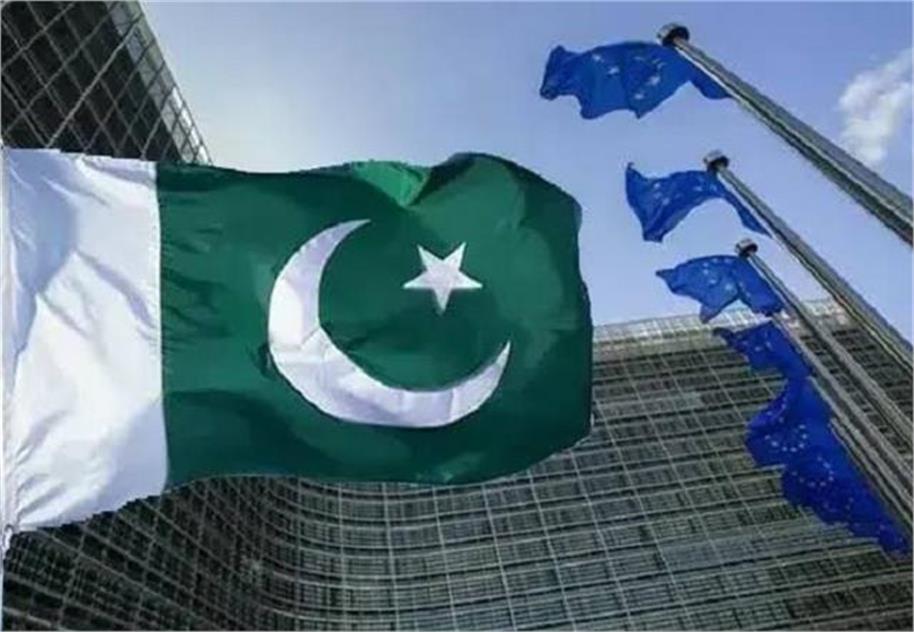
Pakistan-EU Trade Relations: Pakistan’s preferential access to the European Union market under the Generalised Scheme of Preferences Plus (GSP+) has provided substantial economic benefits. However, concerns are mounting over the country’s failure to deliver the reforms required under the scheme. With the EU introducing a revised framework that could impose stricter eligibility requirements, Pakistan’s continued access to these trade concessions may face growing uncertainty.
Despite benefiting significantly from GSP+, Pakistan has struggled to demonstrate meaningful progress in several key areas, according to the concerns outlined in the EU’s assessment. In some cases, the situation has reportedly deteriorated rather than improved. The central question is whether Islamabad can meet the requirements of the new GSP framework and retain its preferential trading arrangements. Much of the progress reported so far has involved legislative and administrative measures, with limited evidence of substantial improvements in practice.
What Is GSP+, and Why Is Pakistan’s Status Under Pressure?
The EU’s concerns extend beyond trade to Pakistan’s political institutions, human rights record and governance standards. The growing influence of the military, allegations of electoral irregularities, action against opposition figures and concerns over institutional independence have all contributed to questions about the country’s democratic framework.
Pakistan has signed several international conventions and committed itself to protecting fundamental rights. However, concerns persist over the implementation of these commitments and their impact on ordinary citizens.
Freedom of expression and the right to peaceful protest remain significant areas of concern. Critics have reported cases of intimidation and persecution involving those who speak out against the authorities. Developments in Kashmir have also featured in wider debates about civil liberties and human rights.
Enforced disappearances, alleged extrajudicial killings and the use of torture have prompted further scrutiny. Concerns have also been raised about the accountability of those responsible for alleged abuses. These issues have placed additional pressure on Islamabad to demonstrate that its international commitments are translating into meaningful protections for its citizens.
Human Rights and Democratic Governance Face Increased Scrutiny
In its latest assessment of Pakistan’s performance, the EU highlighted continuing concerns about the rule of law, civil society and judicial independence. Constitutional amendments have attracted criticism over their potential impact on the autonomy of the judiciary. Meanwhile, barriers to fair trials and limited access to justice remain unresolved challenges.
Workers’ rights have also emerged as a significant concern, with large numbers of people reportedly continuing to face forced labour.
The economic stakes are considerable. In 2024, Pakistan exported goods worth approximately €7.5 billion to the EU under the GSP+ arrangement, benefiting from an estimated €732 million in tariff concessions.
The EU has called for stronger accountability for human rights violations and more effective measures to prevent torture and enforced disappearances. It has also urged Pakistan to address violence against women, child marriage and discrimination against religious and other minorities.
Another persistent concern is the limited oversight of powerful public institutions, particularly the military. Allegations of human rights violations have intensified calls for greater transparency and accountability across Pakistan’s governance system.
For Islamabad, the challenge lies in bridging the gap between formal commitments and practical implementation. Passing legislation and making policy pledges may not be sufficient to satisfy the EU’s expectations. Pakistan will need to demonstrate measurable improvements in protecting fundamental rights, strengthening democratic institutions and upholding the rule of law.
Failure to address these shortcomings could put its preferential trade arrangements at risk under the revised framework.
Military Influence and Judicial Independence Pose Major Challenges
One of the most difficult obstacles facing Pakistan is the political resistance that proposed reforms may encounter. Measures intended to strengthen civilian oversight, protect judicial independence and limit restrictions on civil liberties could challenge existing power structures.
Critics argue that the concentration of authority within the military establishment, combined with weaknesses in civilian governance, has hindered meaningful institutional reform. From this perspective, changes required to meet the EU’s expectations could conflict with the interests of influential political and military actors.
Accountability for enforced disappearances and alleged extrajudicial killings remains particularly contentious. Questions persist over how investigations can be conducted effectively and independently when allegations involve powerful state institutions.
Judicial independence is another central issue. Concerns have been raised about constitutional changes and their implications for the judiciary’s ability to operate without political or institutional pressure. Critics of the current arrangements argue that these developments have strengthened the position of the military leadership while weakening mechanisms of legal oversight.
These issues are likely to remain important in any assessment of Pakistan’s eligibility for continued GSP+ benefits. Demonstrating progress will require more than legislative amendments: the country will need to show that courts can operate independently, alleged abuses are investigated impartially and those responsible are held accountable.
Forced Labour and Child Labour Remain Persistent Concerns
Labour rights represent another major challenge for Pakistan. Although the country has introduced legislation intended to tackle labour exploitation, concerns remain over enforcement and the effectiveness of existing protections.
Forced labour and child labour continue to affect vulnerable communities across the country. Poverty, limited access to education, social inequality and weak enforcement mechanisms make these practices difficult to eradicate.
The gap between legislation and implementation remains a central issue. Without effective inspections, enforcement of labour standards and meaningful protection for vulnerable workers, existing laws may fail to deliver the intended results.
The EU’s concerns underline the importance of measurable improvements in working conditions and the protection of workers’ rights. Pakistan will need to demonstrate that its commitments are producing tangible changes rather than relying solely on the existence of laws and policies.
What Lies Ahead for Pakistan’s GSP+ Status?
Pakistan’s continued access to GSP+ benefits will depend on the requirements of the revised EU framework and its ability to demonstrate compliance with the relevant conditions. Human rights protections, judicial independence, labour standards and institutional accountability are likely to remain important areas of scrutiny.
The financial implications are significant. Preferential access to the European market supports Pakistan’s export sector, while reduced tariffs can help its products remain competitive. Any loss of these concessions could increase costs for exporters and create additional challenges for industries that depend heavily on European buyers.
However, the outcome will depend on the applicable eligibility criteria and the EU’s formal assessment process. The concerns raised so far indicate that Pakistan faces substantial challenges, but they do not, by themselves, establish that its GSP+ status will automatically be withdrawn.
Ultimately, Islamabad will need to demonstrate credible, sustained and verifiable progress in implementing the reforms expected under the scheme. Whether Pakistan can translate its commitments into concrete improvements will be crucial to its efforts to preserve preferential access to one of its important export markets.