
By Chandan Singh | Page 3 News Worldwide | New Delhi
New Delhi: In a major push to tackle chronic waterlogging ahead of the monsoon, Delhi’s Irrigation & Flood Control (IFCD) Department has accelerated desilting work across key drains, including the reopening of the long-covered Delhi Gate drain after nearly four decades.
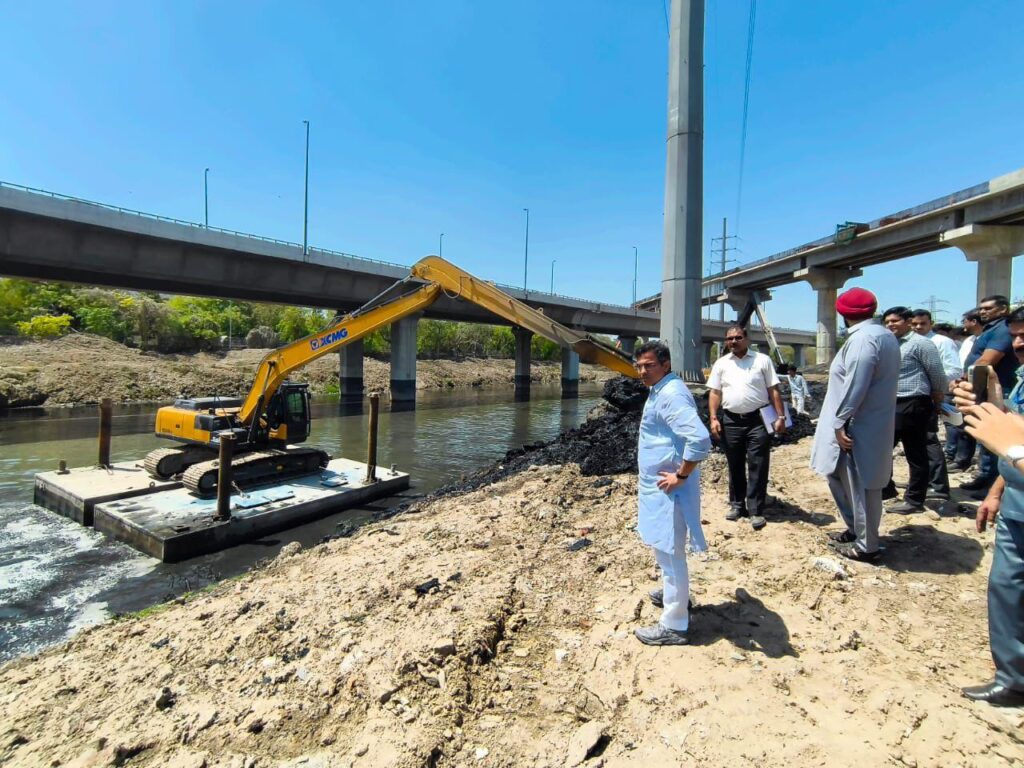
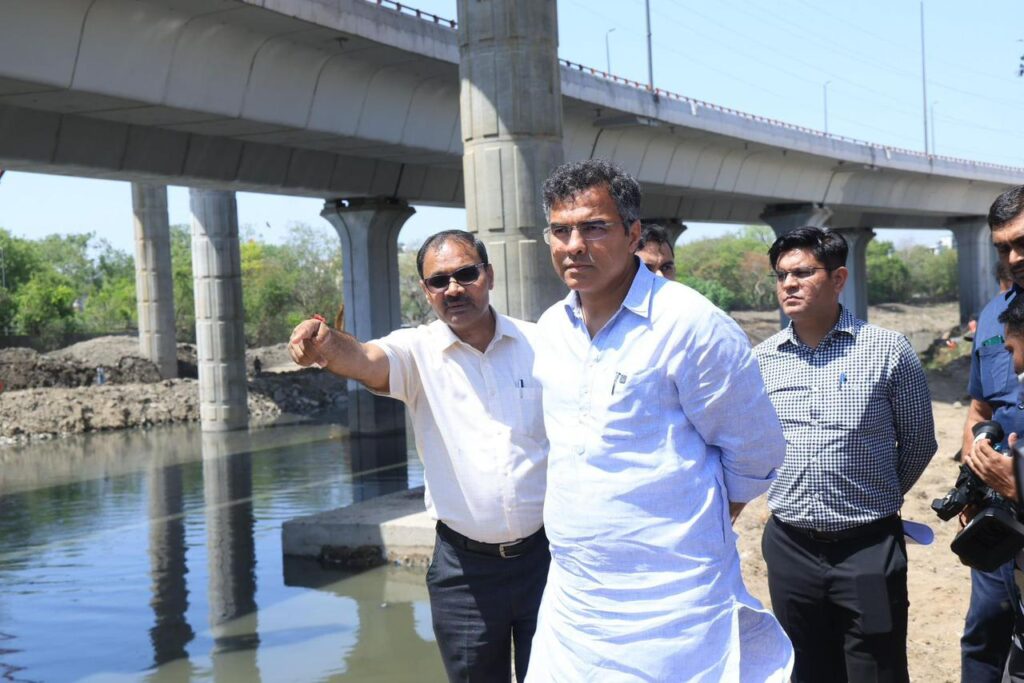
Irrigation & Flood Control Minister Parvesh Sahib Singh conducted an on-ground inspection of the Delhi Gate and Barapulla drains on Friday, underlining the scale and urgency of the city’s preparedness measures.
In a significant development, the Delhi Gate drain—covered with slabs for almost 40 years—has been opened for comprehensive cleaning. Officials said the covered structure had long hindered proper desilting, contributing to recurring waterlogging in surrounding areas. The removal of slabs is expected to restore the drain’s carrying capacity through deep cleaning.
According to the department, desilting at the Delhi Gate drain has crossed 70%, with over 21,000 metric tonnes of silt already removed. At the Barapulla drain, another critical channel, work is nearing 78% completion, with more than 31,000 metric tonnes of silt cleared so far.
Reviewing the broader progress, the minister said that of the 77 identified IFCD drains, nearly half have already been desilted. More than 14 lakh metric tonnes of silt have been removed against a target of 28 lakh metric tonnes, with work continuing on a war footing to meet deadlines.
“This is not just about cleaning drains, it is about correcting years of neglect and ensuring that Delhi is prepared before the rains arrive,” Singh said during the inspection, adding that reopening the Delhi Gate drain would make a “real difference on the ground”.
He noted that improved drainage capacity at Delhi Gate and Barapulla is expected to bring relief from waterlogging in areas such as Daryaganj, Jama Masjid, Feroz Shah Road, ITO, South Extension and Okhla.
The minister stressed that desilting operations are being closely monitored with strict timelines and accountability to ensure quality execution. Regular field inspections are also being carried out as part of a broader strategy to strengthen the capital’s drainage network before the onset of the monsoon.