
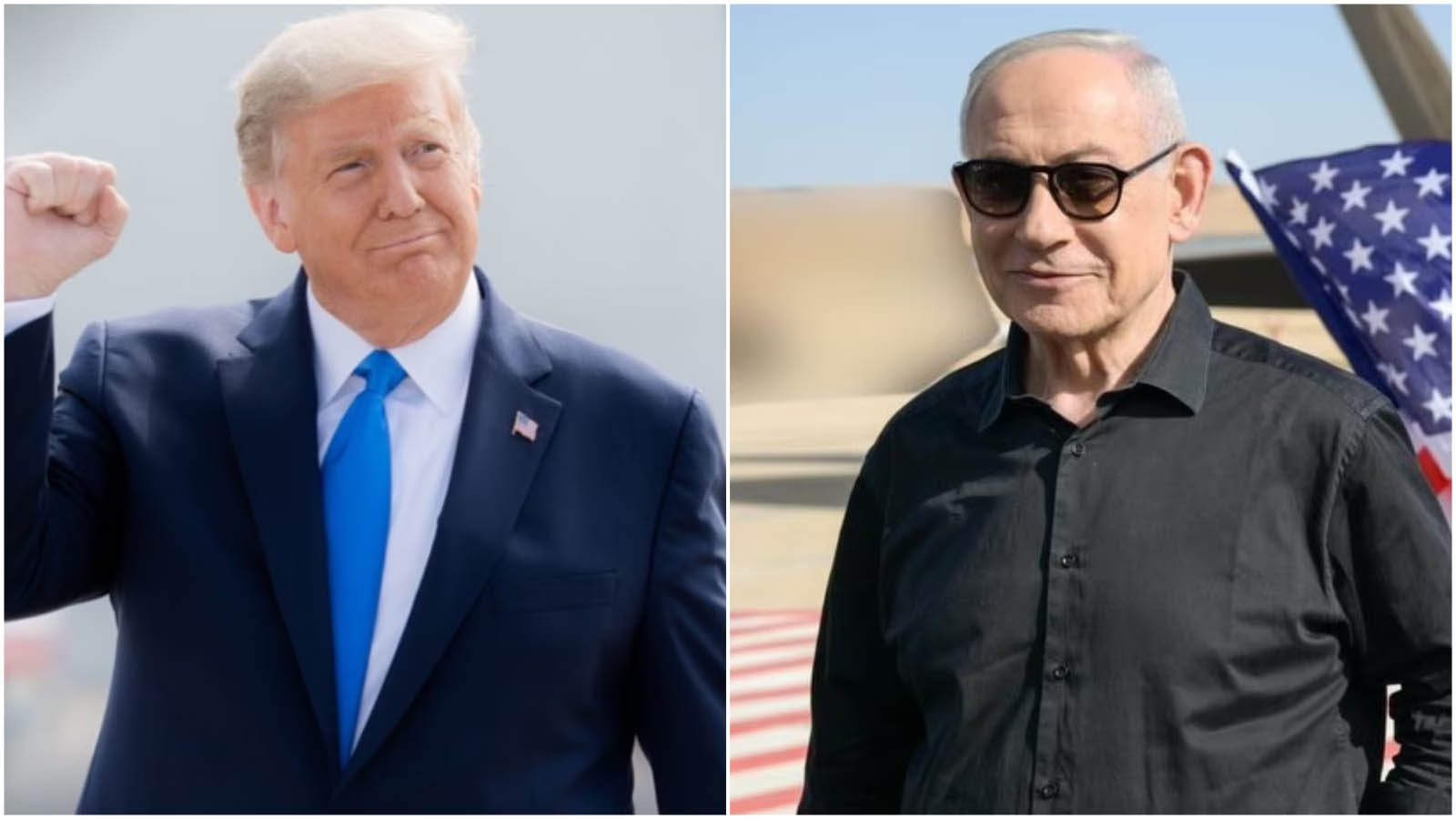
Netanyahu, who has been advocating for a more aggressive approach towards Iran since the beginning of the war on February 28, expressed his disappointment with Trump’s call for halting the strikes.
A phone call between United States President Donald Trump and Israeli Prime Minister Benjamin Netanyahu to discuss the progress of the war against Iran turned tense on Wednesday, reported CNN. The development came after Trump announced a halt on strikes that was planned for Tuesday.
A US source briefed on the call between the two leaders told Axios: “Bibi’s hair was on fire after the call”. Sharing that Netanyahu had also been worried during the earlier stages of negotiations with Iran, another source said, “Bibi is always concerned.”
Earlier, too, the two differed on various aspects of the Iran war strategy. In fact, Israel had allegedly launched the attack on South Fars oil field in Iran without taking the US into confidence. Moreover, the primary objectives of the two in the Iran war seem to be different.
Netanyahu, who has been advocating for a more aggressive approach towards Iran since the beginning of the war on February 28, expressed his disappointment with Trump’s actions, telling the US president that delaying the attacks was a mistake, and that the president should continue as planned, a US official told CNN.
The clash between them came after the duo spoke on Sunday, where Trump had shared he would likely move forward with new targeted attacks on Iran early in the week. However, within 24 hours, Trump put a halt on those strikes, reportedly at the request of allies in the Gulf, including Qatar, Saudi Arabia and the United Arab Emirates, CNN report noted.
“We are in the final stages of Iran. We will see what happens,” Trump told the reporters on Wednesday about efforts to secure a deal with Iran. “We’ll either have a deal or we’re going to do some things that are a little bit nasty,” he shared, adding, “But hopefully that won’t happen.”
Why Netanyahu differed with Trump
During their conversation, Trump told Netanyahu that mediators were working on a “letter of intent” that both the US and Iran would sign to formally end the war, Axios reported quoting a US source.
They would also launch a 30-day period of negotiations on issues, including Iran’s nuclear program and opening of the Strait of Hormuz, the report added.
This letter was drafted by Qatar and Pakistan with input from other mediators to try to bridge the gaps between the US and Iran, a source told Axios.
Netanyahu, meanwhile, was skeptic of the negotiations, and argued that a delay would only benefit the Iranians, CNN reported quoting Israeli sources.
In their phone call that lasted for an hour, the difference in their opinions was clear: Netanyahu wanted resumption of military action, while Trump wanted to see if a deal can be reached, an Israeli source confirmed.
Trump, reacting to his conversation with the Israeli PM on Sunday, said on Wednesday: “He’ll do whatever I want him to do.”
What US and Iran are saying?
Trump has continued to push for a diplomatic deal with Iran, claiming a day earlier that things with Iran are “right on the borderline” and that it was worth giving diplomacy a few more days if it could save people from getting killed.
However, Trump is also readu to resume the war if talks with Iran fails. “The only question is do we go and finish it up or are they gonna be signing a document. Let’s see what happens,” he said on Wednesday.
Iran’s Foreign Ministry spokesperson, Esmaeil Baqaei, meanwhile, has said that Tehran and Washington have continued to exchange messages through Pakistan.
They are reviewing the peace proposal, however, it’s still unclear whether Iran would agree to shift their position in the near future.
Baqaei also said that in order for talks to succeed, the US would have to end its “piracy” against Iranian ships and release frozen funds, while Israel would have to end its war in Lebanon, Axios quoted.