
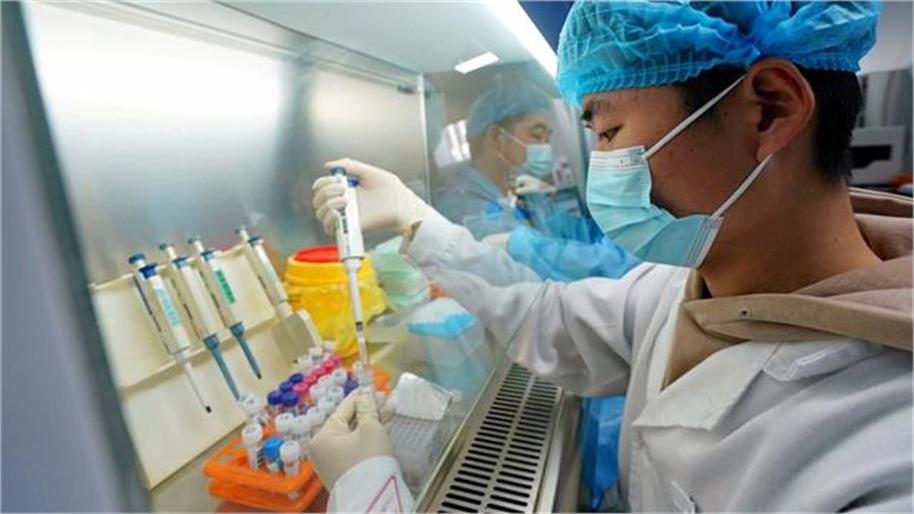
Multinational pharmaceutical companies are reportedly conducting clinical trials in China’s Xinjiang region and in hospitals linked to the People’s Liberation Army (PLA), raising questions about regulatory oversight and ethical standards. According to the report, data generated from these trials is being used to support regulatory approvals in the United States, despite ongoing concerns over human rights conditions in the region.
International Desk: A recent report has highlighted potentially troubling practices involving global pharmaceutical firms. The findings suggest that several companies have carried out drug trials in Xinjiang and in facilities associated with the PLA, in some cases operating in environments where transparency and external monitoring may be limited.
The report draws on data from ClinicalTrials.gov, indicating that clinical trials have been conducted over an extended period in locations where institutional affiliations, including military links, are not always clearly identified. This lack of clarity has raised questions about compliance with international research and regulatory standards.
China is estimated to have around 165 hospitals connected to the PLA across multiple provinces, providing a broad network where such trials could occur. Conducting studies across varied geographies enables companies to collect data from diverse populations, which can subsequently be used in regulatory submissions. For example, the COVID-era therapy “Evusheld,” developed by AstraZeneca, underwent trials in several countries, including sites in Xinjiang, before receiving approval in the United States.
Xinjiang has been under sustained international scrutiny over allegations of human rights violations. Organisations including the United Nations have raised concerns regarding the treatment of Uyghur Muslims, including claims of forced labour and other abuses.
Despite these concerns, the pharmaceutical sector has not been subject to restrictions as stringent as those applied to other industries under the Uyghur Forced Labor Prevention Act. The legislation is designed to prevent goods linked to forced labour in Xinjiang from entering US markets unless proven otherwise.
The report notes that this regulatory gap has prompted concern among US lawmakers. John Moolenaar has called on the US Food and Drug Administration (FDA) to review the matter, arguing that data from such trials continues to be accepted in approval processes despite the ethical concerns raised.