
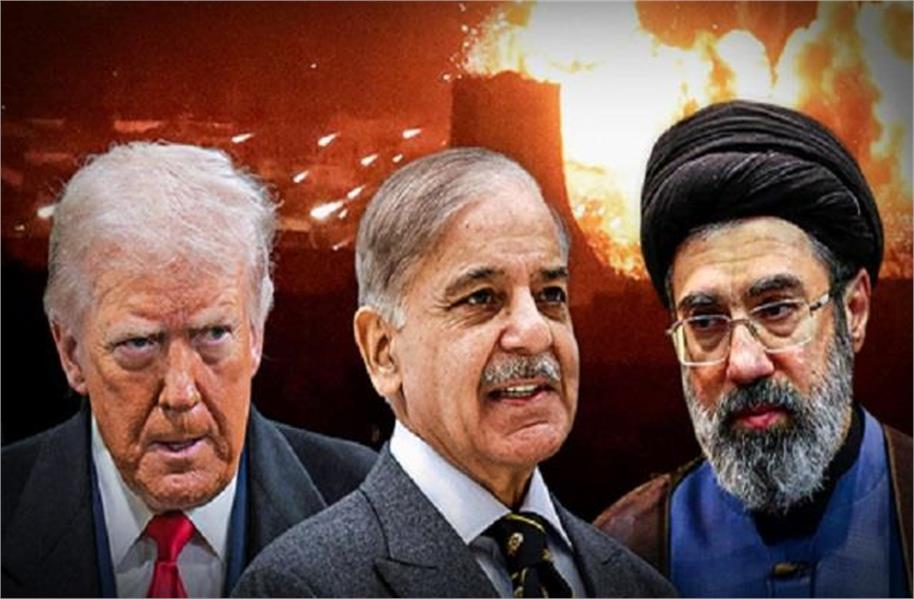
Pakistan’s controversial role in the US-Iran negotiations has triggered sharp criticism, with analysts accusing Islamabad of pursuing a dangerous double game while pretending to act as a peace mediator. A new report claims Pakistan is simultaneously protecting its strategic ties with Iran, Saudi Arabia and the United States — a balancing act critics say completely destroys its credibility as a neutral player.
International Desk: Pakistan is facing mounting international scrutiny over its role in the ongoing talks between the United States and Iran. According to an international analytical report, Islamabad is deeply entangled with multiple sides involved in the regional power struggle, making any claim of neutrality highly questionable.
The report says Washington has been using Pakistan as a backchannel to communicate with Iran. However, critics argue that Pakistan’s military and political establishment has long been involved in regional power politics, making it impossible for the country to act as an honest broker.
The controversy intensified after US media reports alleged that Pakistan allowed Iranian military aircraft to use Rawalpindi’s Noor Khan Airbase following the April ceasefire. Although Pakistan dismissed the reports as “misleading”, it admitted that Iranian aircraft were present at the base.
Observers say this exposed Islamabad’s double standards. Analysts argue that no country can provide logistical space to one side’s military assets and still expect to be trusted as a neutral mediator by the other side. US Senator Lindsey Graham reportedly warned that if the allegations were true, Washington should immediately look for another mediator.
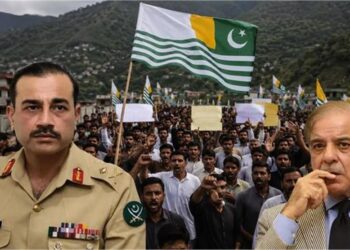
At the same time, US President Donald Trump publicly praised Pakistan as a “great” partner. The report suggests that Trump’s close equation with Pakistan Army Chief Asim Munir has significantly influenced Islamabad’s involvement in the talks.
The report also claims Pakistan recently deployed thousands of troops, fighter jets, drones and air defence systems in Saudi Arabia. Given the long-running hostility between Saudi Arabia and Iran, critics say such actions further expose Pakistan’s inability to remain impartial.
Pakistan Defence Minister Khawaja Asif has also come under criticism for past inflammatory remarks against Israel and India. According to the report, such rhetoric damages Pakistan’s already weak image as a credible diplomatic mediator.
Even voices inside Iran have raised doubts over Islamabad’s intentions. Iranian MP Ebrahim Rezaei reportedly stated that Pakistan has consistently acted in line with American interests and therefore cannot be trusted as a reliable intermediary.
The report concludes that Pakistan may be useful for passing messages between rival powers, but it lacks the transparency, neutrality and trust required to guarantee any serious peace agreement. Experts warn that if the US and Iran genuinely want a stable and lasting solution, they will need mediators whose loyalties are not constantly under suspicion.