
International Desk: Facing persistent economic challenges and a chronic shortage of foreign exchange, Pakistan is increasingly looking towards the export of donkey meat, hides and related products to China as a new source of revenue. The move was outlined in the Pakistan Economic Survey 2025–26, presented by Finance Minister Mohammed Aurangzeb on Thursday.
Beijing’s Demand Opens a New Revenue Stream
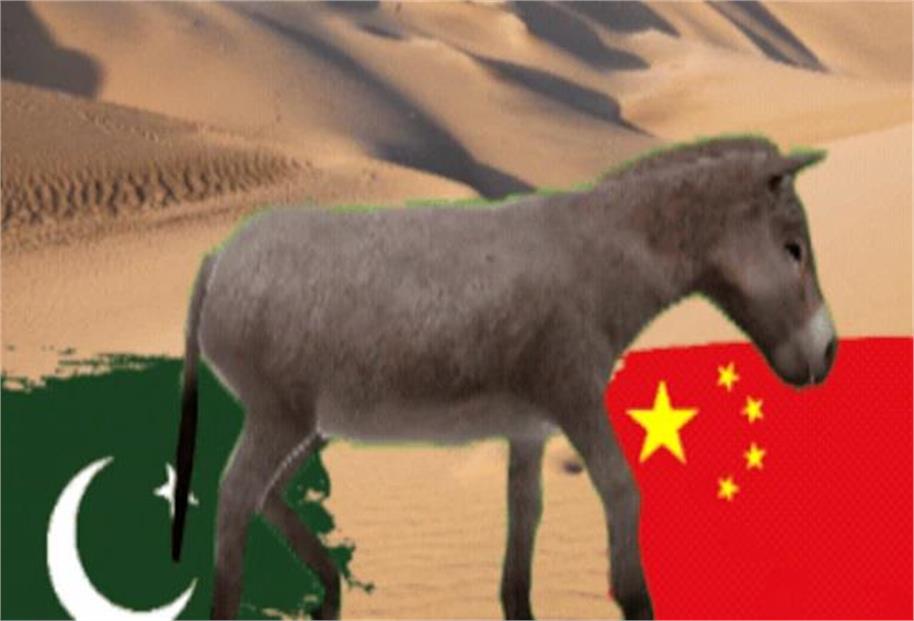
According to the survey, Pakistan sees significant commercial potential in exporting donkey meat, donkey milk and ejiao—a gelatin-based product widely consumed in China for its perceived nutritional and medicinal benefits. The government believes growing Chinese demand could transform the sector into a lucrative export industry.
To facilitate the trade, Islamabad has already signed sanitary and quarantine agreements with Beijing, paving the way for larger-scale exports.
Gwadar to Host Donkey Slaughter Facilities
In a move that underscores the government’s focus on the sector, authorities have granted a fresh licence to M/s Shahzad & Shao Company to establish donkey slaughterhouses in the Gwadar Free Zone. The approval doubles the number of licensed operators involved in the trade, alongside M/s Hengeng Trade.
Officials claim the initiative will attract foreign investment, create jobs and strengthen economic ties with China. Critics, however, view the development as a reflection of Pakistan’s struggle to identify high-value export sectors amid mounting financial pressures.
Donkey Population Continues to Rise
The survey reveals that Pakistan’s donkey population has increased from 6 million in 2024–25 to 6.2 million in 2025–26, compared with 5.9 million a year earlier.
Traditionally used for transporting agricultural produce, fodder, firewood and other goods, donkeys remain an essential part of rural life across Pakistan. However, with the government now actively promoting donkey-based exports, the animal is increasingly being viewed as an economic commodity aimed at generating much-needed foreign earnings.
As Pakistan battles economic instability and seeks new export opportunities, the country’s growing reliance on donkey-related products highlights the depth of its search for alternative revenue sources.