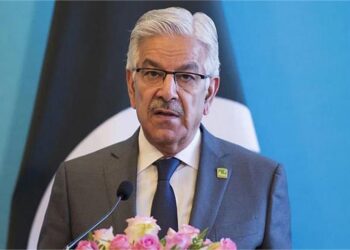

Pakistan is no longer “balancing” in the Middle East—it is stumbling into a crisis it helped create. A binding defence pact with Saudi Arabia and chronic economic dependence have left Islamabad exposed, while tensions with Iran threaten to explode. The illusion of neutrality is rapidly collapsing.
Islamabad: What was once touted as “strategic balancing” now looks like strategic confusion. Pakistan’s long-standing attempt to play both sides between Saudi Arabia and Iran is unravelling under pressure. With regional fault lines hardening, Islamabad is being forced to choose—and it is woefully unprepared for the consequences.
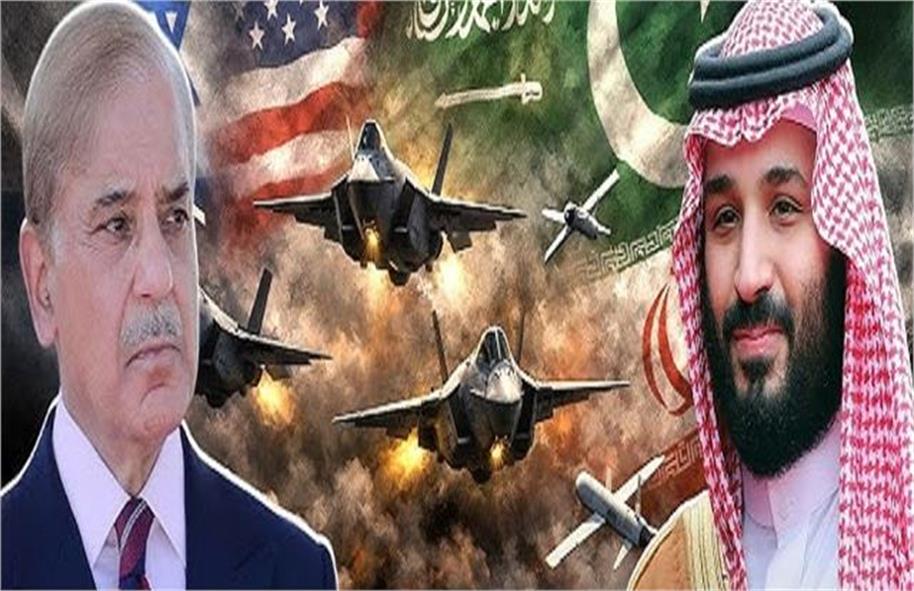
The 2025 defence agreement with Saudi Arabia has effectively boxed Pakistan into a corner. No longer limited to training and advisory roles, Islamabad now risks being dragged into direct military action if Riyadh is attacked. This is not diplomacy—it is dependency dressed up as partnership.
That dependency is even more glaring on the economic front. Pakistan’s survival has been repeatedly propped up by Saudi bailouts, loans, and investments. Its reliance extends to crucial support in programmes with the International Monetary Fund. In simple terms, Pakistan cannot afford to say “no” to Riyadh without risking economic freefall.
But saying “yes” comes at a dangerous price. Any overt alignment with Saudi Arabia risks provoking Iran—a nuclear-capable neighbour with whom Pakistan shares a sensitive border. Unlike distant allies, Iran can respond immediately, turning tensions into tangible security threats within hours.
What makes the situation more alarming is Pakistan’s already fragile internal and external landscape. The Afghan frontier remains volatile, ties with India are persistently strained, and the economy continues to teeter on the brink. Opening another front against Iran would not just be risky—it could be reckless.
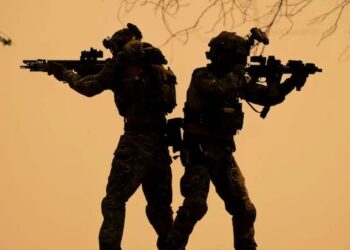
Even more concerning is the quiet but significant presence of Pakistani troops in Saudi Arabia. What was once routine military cooperation now carries the risk of automatic entanglement in a broader conflict. Without any formal declaration, Pakistan could find itself pulled into war simply because its forces are already on the ground.
The reality is stark: Pakistan is caught in a trap of its own making. Years of overreliance, inconsistent foreign policy, and short-term strategic thinking have left it vulnerable at a critical moment. With pressure mounting from Riyadh and hostility looming from Tehran, Islamabad’s room for manoeuvre is shrinking fast.
The coming days will test whether Pakistan can act like a sovereign decision-maker—or continue as a state reacting to pressures it no longer controls.