
Pakistan’s worsening economic crisis and persistent inflation have intensified after the government announced a steep increase in fuel prices, placing fresh financial pressure on both consumers and the country’s aviation industry.
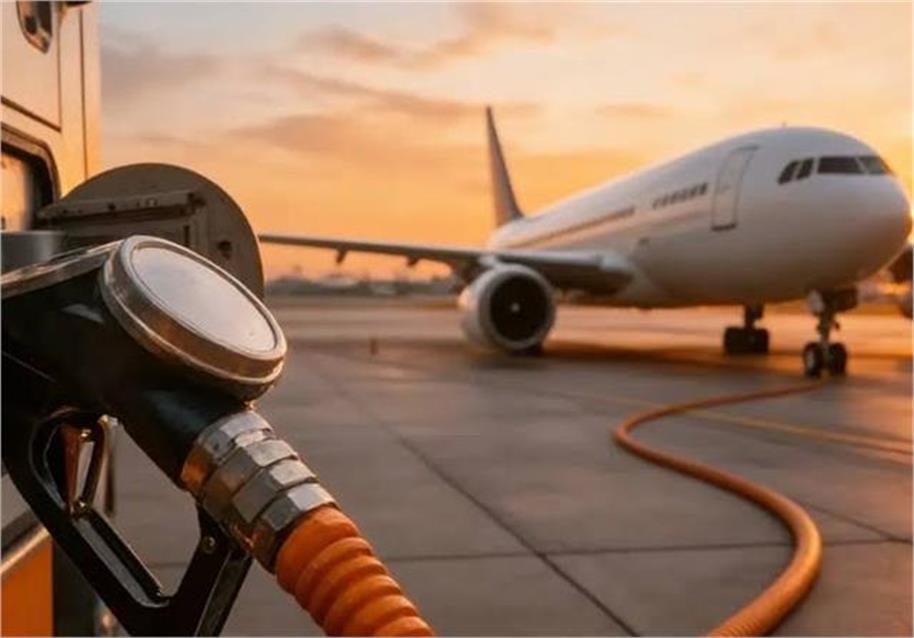
According to reports, the price of jet fuel used by commercial airlines has been increased by PKR 40.35 per litre, taking it to a record PKR 291.55 per litre. The latest revision is expected to significantly increase airlines’ operating costs, with industry experts warning that passengers are likely to face higher air fares in the coming weeks.
The increase comes barely a fortnight after the previous revision, resulting in a cumulative rise of PKR 53.58 per litre in jet fuel prices over the past two weeks. Officials have attributed the latest hike to rising international crude oil prices amid continuing geopolitical tensions.
As aviation fuel accounts for a substantial share of airline operating expenses, the higher costs are expected to place additional strain on carriers already facing challenging market conditions. Industry sources suggest airlines may have little option but to revise ticket prices to absorb the increased expenditure.
The latest adjustment follows the Pakistani government’s decision to replace its weekly petroleum pricing mechanism with a daily review system, allowing domestic fuel prices to respond more quickly to fluctuations in global oil markets. The policy shift comes amid renewed uncertainty in international energy markets following escalating tensions between the United States and Iran.
Alongside the increase in jet fuel prices, the government has raised the ex-depot price of High-Speed Diesel (HSD) by PKR 31.05 per litre, from PKR 323.30 to PKR 354.35 per litre. Petrol prices have also been increased by PKR 5.44 per litre, taking the retail price from PKR 310.71 to PKR 316.15 per litre. The revised prices came into effect on 18 July.
Government officials said the new daily pricing mechanism would enable faster adjustments in line with international oil price movements while helping to minimise supply disruptions and speculative hoarding. Pakistan had previously revised fuel prices every fortnight before adopting weekly adjustments during the early stages of the US-Iran conflict. However, renewed geopolitical tensions and growing concerns over possible disruptions to oil shipments through the Strait of Hormuz have prompted authorities to introduce daily price revisions.
The latest surge in fuel prices is expected to further burden Pakistan’s aviation sector, which is already contending with rising operational costs. If global crude oil prices remain elevated, airlines may be forced to increase fares and review other operational charges, adding further pressure on businesses and travellers alike.