
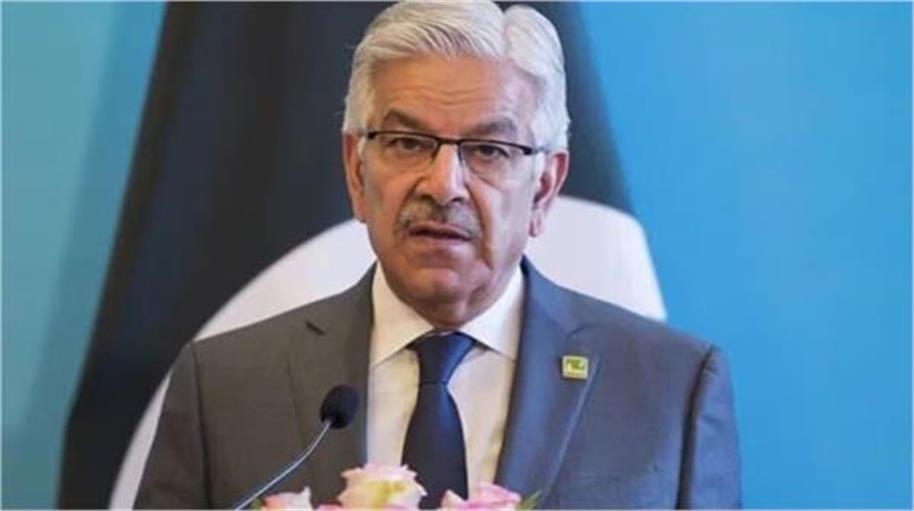
International Desk: Pakistan’s Defence Minister Khawaja Asif has sparked a fresh debate on identity, historical heritage and education in the country after stating that Pakistani children are being taught a “distorted version of history”. His remarks have reignited discussions over the nation’s cultural roots and historical narrative.
Speaking during an interview, Asif criticised the prevailing tendency among many Pakistanis to deny their indigenous ancestry. He observed that a significant number of people in Pakistan claim ancestral links to Arab or Iranian origins, despite historical realities suggesting otherwise.
In a candid remark, Asif stated, “My ancestors were Hindus. Does that make me any less Pakistani?” His comments have drawn widespread attention across political and social circles, with many viewing them as a rare acknowledgment of the subcontinent’s shared historical and cultural legacy.
The Pakistani minister’s remarks come amid broader geopolitical discussions following US President Donald Trump’s appeal to several Muslim-majority nations, including Pakistan, to join the Abraham Accords and formally recognise Israel. Responding to the proposal, Asif reiterated Pakistan’s longstanding position, stating that Islamabad would not recognise Israel until the establishment of an independent Palestinian state based on the 1967 borders, with East Jerusalem as its capital.
Asif’s statements also drew reactions in the United States, where Republican leader Lindsey Graham questioned Pakistan’s regional role and policy direction. Notably, Pakistan has never officially recognised Israel in its 78-year history, and Pakistani passports explicitly state that they are not valid for travel to Israel.