
By Chandan Singh | Page 3 News Worldwide | New Delhi
At Delhi University’s Rachayita Literary Festival, Speaker stresses the role of literature in preserving India’s cultural identity
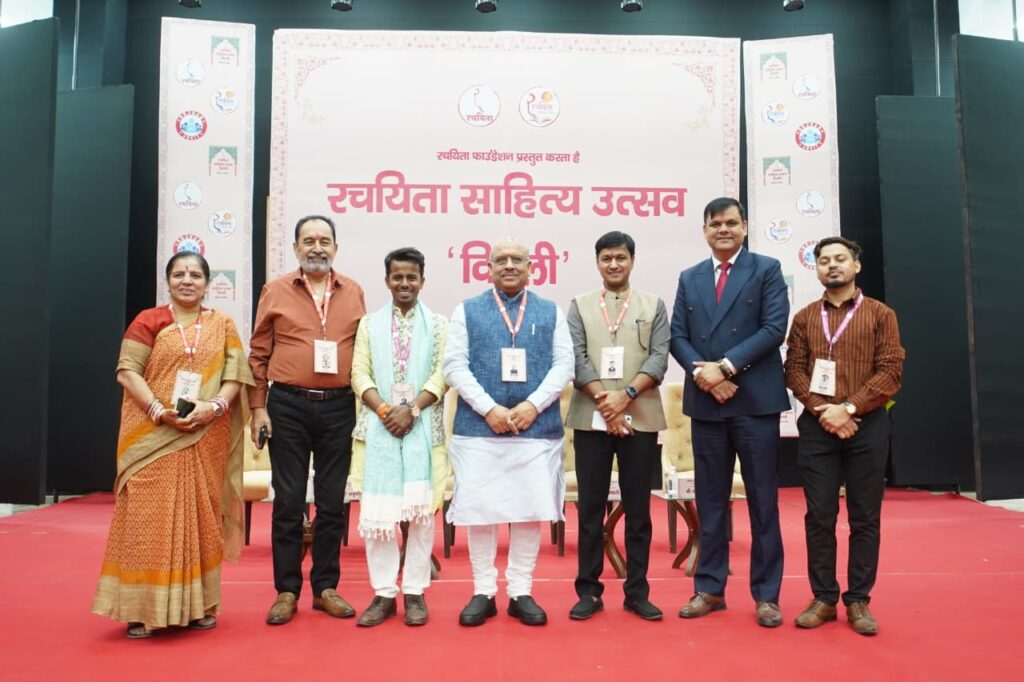
NEW DELHI: Language and literature are the cornerstones of a nation’s cultural identity and civilisational heritage, Delhi Legislative Assembly Speaker Vijender Gupta said on Thursday, calling for greater efforts to preserve and promote India’s linguistic diversity.
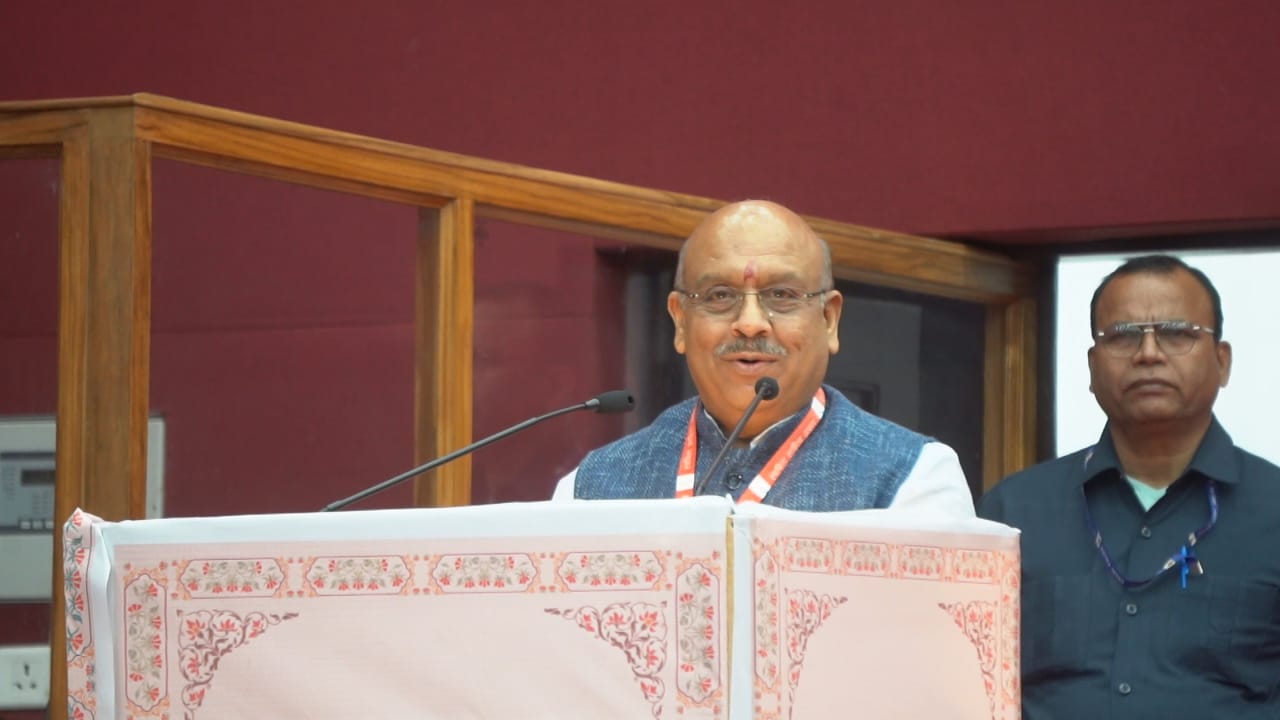
Addressing the inaugural session of the two-day Rachayita Literary Festival 2026 at Delhi University as the Chief Guest, Gupta said, “Language is the soul of a nation, and literature gives permanence to its ideas and values.”
Speaking on the theme ‘Language, Literature and the Nation’, he said a country’s identity was shaped not merely by its geographical boundaries but also by its language, literary traditions and cultural heritage.
Gupta observed that language goes beyond communication, reflecting a society’s emotions, traditions, collective memory and consciousness. Citing literary icons such as Kabir, Surdas, Mirabai and Tulsidas, he said India’s literary traditions had enriched regional languages while fostering a shared cultural identity.
Referring to the impact of foreign rule on India’s cultural traditions, the Speaker said linguistic and literary heritage had played a vital role in sustaining the country’s civilisational consciousness. He also cited Japan, Germany, France and Israel as examples of nations where language and literature had contributed to cultural confidence and national identity.
Highlighting the importance of Indian languages in education and national development, Gupta invoked the views of Mahatma Gandhi and Bharatendu Harishchandra. He emphasised that children understand concepts more effectively when educated in their mother tongue.
He also acknowledged the contributions of Rabindranath Tagore, Bankim Chandra Chattopadhyay and Subramania Bharati in inspiring national consciousness and strengthening the freedom movement.
Stressing that linguistic diversity is a source of national strength, Gupta said Indian languages deserved greater recognition and encouragement without undermining the importance of learning other languages.
The Speaker also highlighted initiatives to expand the use of Hindi in the Delhi Legislative Assembly’s official functioning, including correspondence and other activities. He referred to the Government of India’s Bhashini platform, which uses technology for translation, transcription and voice-based communication to bridge linguistic barriers.
Encouraging young people to read, write and create in their mother tongues, Gupta said every literary contribution strengthened the country’s cultural foundations.
He appreciated the Rachayita Literary Festival for bringing together young researchers, writers and students through discussions, poetry sessions, seminars and creative competitions.
The two-day festival, being held on October 29 and 30, focuses on language, literature, national identity and cultural heritage. Gupta urged the younger generation to view their mother tongue not merely as a subject of study but as a living expression of their identity and heritage.