

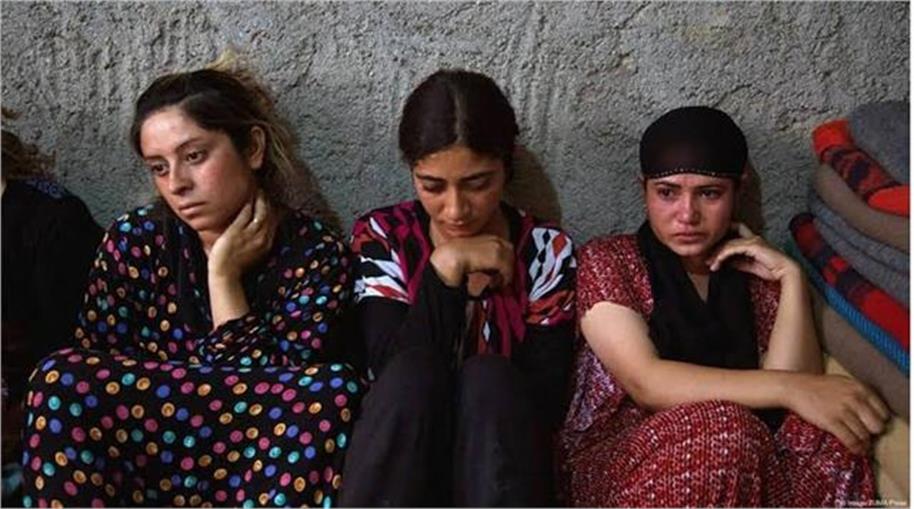
Christian girls in Pakistan continue to face the horrifying reality of abduction, forced religious conversion and coerced marriages, with an estimated 1,000 girls falling victim every year. Christian legal organisation Alliance Defending Freedom (ADF) has called on people to pray for an end to these abuses and for greater protection for vulnerable girls.
According to the report, many of the victims are abducted before being pressured into converting to Islam and forced to marry men considerably older than themselves. The majority belong to religious minority communities, particularly Christians and Hindus.
The situation is further aggravated by a judicial system and religious environment that often leave victims struggling to obtain justice. Tehmina Arora, ADF’s Director of Advocacy for Asia, revealed that some girls are threatened with acid attacks if they refuse to provide their thumbprints on documents relating to their religious conversion and marriage.
These documents are later presented in court as evidence that the girls converted and married of their own free will. In many cases, victims are intimidated, threatened with violence or coerced into telling judges that their decisions were entirely voluntary.
Escaping their abductors does not necessarily mean freedom for these girls. Even when a victim manages to flee, a court may order her return to her abductors on the basis of documents claiming that she willingly converted and married. Those who make it back to their families may still face social stigma as a result of sexual abuse. Their families can also be subjected to threats and intimidation from the men claiming to be their husbands.
Arora pointed out the stark contrast between Pakistan’s commitments to human rights on paper and the reality faced by vulnerable girls. She said the country’s judicial system frequently fails to protect the very individuals whom human rights legislation is intended to safeguard.
Despite the grim circumstances, Arora acknowledged that some progress is being made, although change remains painfully slow. In April, Pakistan’s Punjab province passed legislation setting 18 as the minimum age for marriage and establishing that the best interests of the child should take legal precedence.
Arora said courts were also beginning to reconsider cases that had previously been closed. However, she noted that these essential reforms had encountered significant resistance.
In May 2025, when Pakistan’s National Assembly passed a bill aimed at preventing child marriages in the Islamabad Capital Territory, the Council of Islamic Ideology strongly opposed the legislation.
Arora stressed that introducing laws is only the first step towards addressing the crisis. While such legislative developments are encouraging, meaningful change will depend on whether the police and judiciary properly enforce these protections and hold perpetrators accountable.
The challenge, therefore, is not simply to introduce stronger laws but to ensure that vulnerable girls receive genuine protection, justice and the freedom to make decisions about their own lives.