
Trump says a deal to end the Iran war is close. Iran warns against US escalation, and Saudi Arabia seeks clarity, as oil markets stay on edge.
US President Donald Trump said Saturday evening that Middle East allies have reached the outline of a deal to end the five-month war with Iran, and that he would hold off on new strikes for now. Iran, meanwhile, warned the US against any further escalation.
Here is what is happening.
TRUMP ANNOUNCES A POSSIBLE DEAL
In a post on his Truth Social platform, Trump said Iran and other Middle Eastern countries had asked for time to complete a deal. He said he had agreed to pause any new attack while a deal is worked out quickly.
WHAT THE DEAL WOULD COVER
- Full reopening of the Strait of Hormuz.
- An end to what Trump called Iran’s nuclear threat.
- Israel joining the US in this commitment, though Israel made no separate public statement.
SAUDI ARABIA RAISES CONCERNS
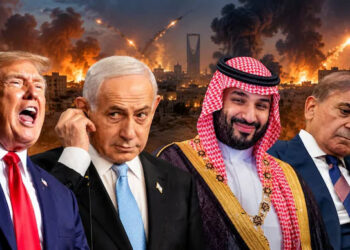
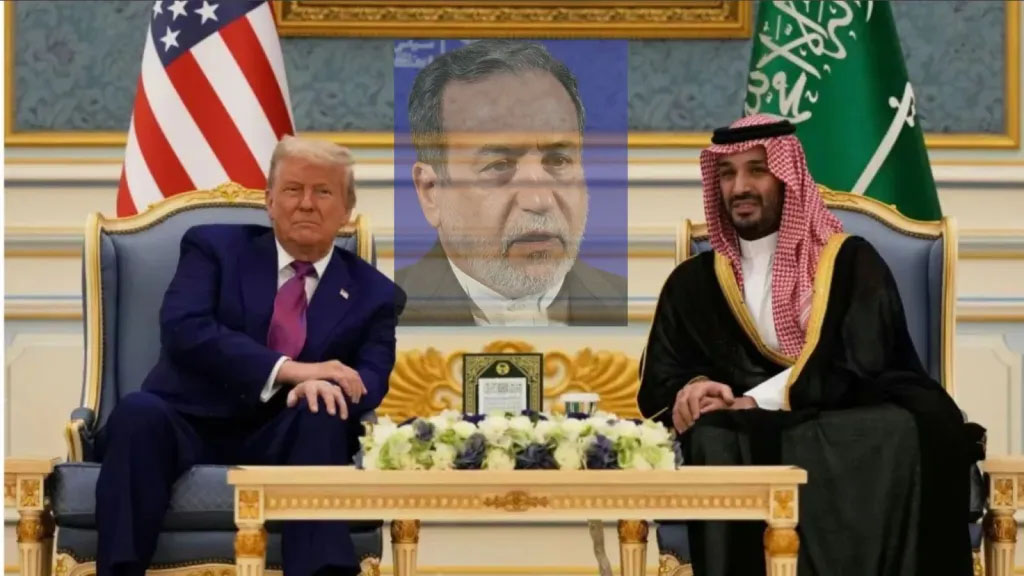
Saudi Crown Prince Mohammed bin Salman spoke to Trump by phone on Saturday and raised concerns about the US widening the conflict, a person familiar with the call told AP.
The Saudis fear that if the US strikes Iran’s energy infrastructure, Tehran could hit back at energy facilities in Saudi Arabia and other Gulf states.
WHAT THE CROWN PRINCE ASKED TRUMP
The crown prince sought clarity from Trump on what new action against Iran he was considering. A White House official confirmed that the call between the two leaders took place. However, the official did not give any further detail on what was discussed.
IRAN’S WARNING TO THE WORLD
Iran’s Foreign Minister Abbas Araghchi warns of any “adventurous action” by the US in separate phone calls with his Turkish counterpart and Pakistan’s army commander, according to the Iranian minister’s account on Telegram.
Araghchi stresses his country’s readiness to respond decisively to any “aggression”.
Araghchi also speaks to his Saudi counterpart, saying that any “aggression” by the US and Israel or participation of regional countries in these actions will be met with a “decisive and proportionate response”, according to his Telegram account.
WHAT IRAN TOLD SAUDI ARABIA DIRECTLY
Araghchi later told his Saudi counterpart that any attack by the US and Israel, or the involvement of other regional countries, would be met with a “decisive and proportionate response”, Reuters reported.
KUWAIT DRONE ATTACK: WHAT HAPPENED
- Kuwait’s army said it destroyed hostile drones launched by Iran
- The drones were targeting several important facilities
- A government site in northern Kuwait and private property on Bubiyan Island were hit on Saturday
- Falling debris caused damage, but no one was hurt, the Kuwaiti army said.
OIL AND SHIPPING IMPACT
Oil prices have stayed high since the US and Israel began strikes on Iran on 28 February. Brent crude futures rose 24 per cent in July, and analysts expect prices to climb further this year.
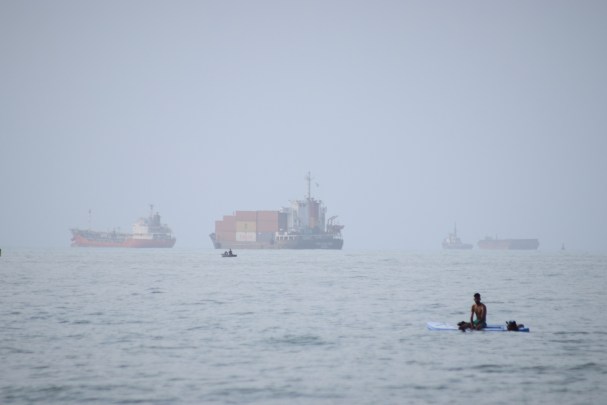
Most shipping has avoided the Strait of Hormuz since the war began, and Iran-aligned Houthi forces in Yemen have also begun threatening the Bab el-Mandeb strait, another key route for Saudi oil exports.
Britain’s maritime trade body said it had received reports of two separate tanker incidents off Oman on Saturday, including one where a vessel’s engine room was damaged.
HOW THEY GOT HERE
- The war began after the US and Israel launched strikes on Iran in February.
- Earlier this week, the US said it stopped a surprise Iranian attack on an American base in Jordan
- Trump had vowed to respond to that attack.
- Trump met Israeli Prime Minister Benjamin Netanyahu at the White House on Tuesday, their first in-person meeting since the war began, with Netanyahu pushing for the campaign against Iran to continue.
- White House press secretary Karoline Leavitt said Iran had “broke it, shot at commercial ships, and killed American soldiers,” referring to a truce agreement signed with the US last month.
WHERE DOES THIS LEAVE THE REGION?
The US State Department issued fresh security alerts on Saturday for Americans in Bahrain, Israel, Iraq, Jordan, Kuwait, Lebanon, Oman, Qatar, Saudi Arabia and the UAE, warning of possible flight cancellations and airspace closures as tensions continue. Whether the outlined deal holds now depends on how quickly Iran, the US and their allies can turn the current understanding into a formal agreement.