

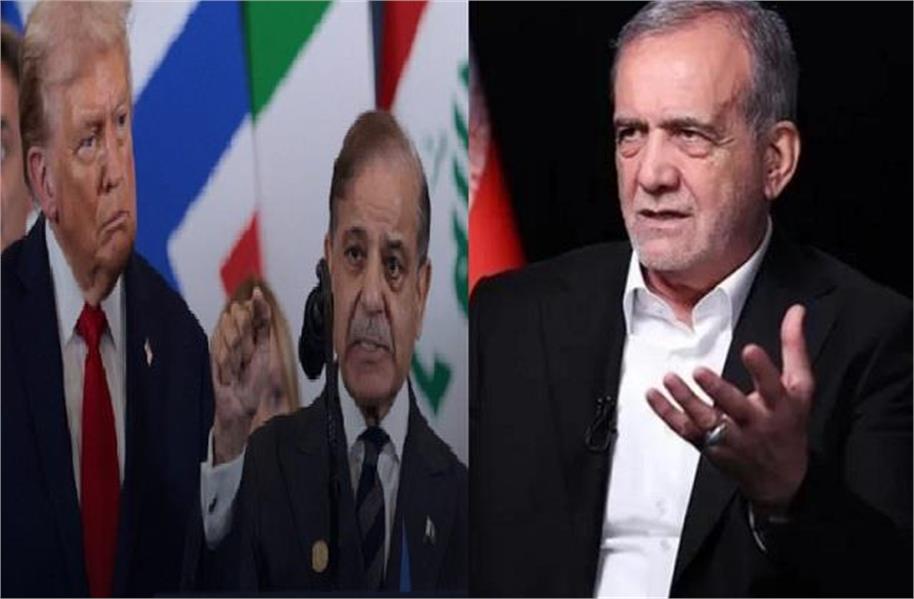
Iran has bluntly dismissed Pakistan’s bid to play mediator, making it clear that it neither needs nor welcomes Islamabad positioning itself as a “peace broker”. It has also refused to engage in talks with the United States, deepening regional tensions and sharpening diplomatic fault lines.
International Desk: In a stark diplomatic setback, Pakistan’s attempt to insert itself into the Middle East crisis has been firmly shut down by Iran. Islamabad had been projecting itself as a go-between, hoping to broker talks between Washington and Tehran. Instead, Iran flatly rejected the move, delivering a pointed message that Pakistan should not presume to play intermediary in a conflict where it holds little sway.
Tehran’s response effectively sidelines Pakistan, exposing the limits of its influence in high-stakes regional diplomacy. By dismissing the mediation effort outright—and pointedly remarking that there is no need for any “peace broker”—Iran has undercut Pakistan’s attempt to elevate its diplomatic standing on the global stage.
At the same time, Iran has refused negotiations with the United States, branding Washington’s proposed terms as “unacceptable”. This dual rejection significantly narrows any immediate path to de-escalation. Pakistan’s initiative now appears not only unsuccessful but diplomatically misjudged, as avenues for dialogue continue to shrink.
With Pakistan’s role diminished, attention may shift to other regional actors such as Qatar, which could emerge as a more credible intermediary. For now, however, the situation remains volatile and unresolved.
Iran’s hardline stance adds another layer of complexity to an already fragile Middle East landscape, where confrontation and diplomacy are unfolding in parallel but without convergence. Tehran has also asserted that it can sustain the current situation in the Strait of Hormuz for an extended period—a statement likely to alarm the United States and its allies, given the waterway’s critical importance to global oil flows.