
IEA chief Fatih Birol says markets are gripped by uncertainty as attacks in and around the Strait of Hormuz threaten oil, gas and fertiliser shipments
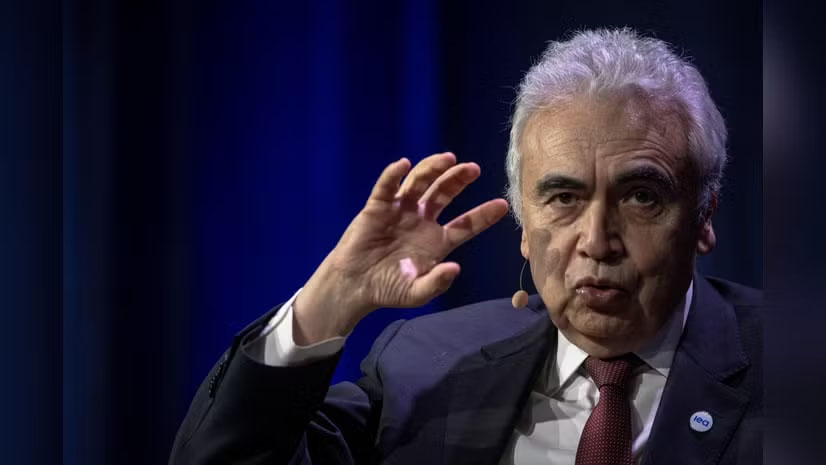
The global economy faces a renewed challenge if the conflict that’s choked the Strait of Hormuz isn’t resolved in a matter of weeks, said International Energy Agency Executive Director Fatih Birol.
“Markets are nervous” and grappling with “big uncertainty” due to an escalation of attacks from both sides that threatens to disrupt shipments of oil, fertilizer, natural gas and other cargoes through the key waterway, Birol said in an interview on the sidelines of the Aspen Security Forum in Colorado on Wednesday.
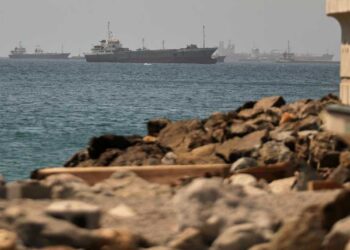
Visible traffic through the strait has thinned markedly over the last week as vessels were attacked and the US reimposed its blockade of Iranian shipping. Saudi Arabian oil loadings from inside the Persian Gulf have slumped in the wake of strikes on supertankers, while the International Maritime Organization has said the waterway remains too dangerous for commercial vessels to transit.
“If the Strait of Hormuz remains closed we may again have some difficulty for global economies, including those in the region and developing nations and Asia,” Birol said. “It is not months, it is weeks” after which the strait needs to be “fully open, unconditionally open,” he said.
Although the disruption to Persian Gulf energy and feedstock deliveries has impacted economies such as South Korea and Japan, countries like Bangladesh, Pakistan and India are far more vulnerable to such cutoffs, Birol said.