
As the Iran-US talks concluded in Doha, the negotiators agreed to continue the discussions in the coming days and hold the next meeting at the earliest possible time after the funeral processions of former Iranian Supreme Leader Ali Khamenei.
Iran and the United States on Wednesday concluded a round of indirect talks, after the two countries traded military strikes for days amid a conflict over shipping routes in the Strait of Hormuz.
Even as they seem not to have made any breakthrough towards a long-term peace, the Iran-US talks focused on the passage of ships through Hormuz and Tehran’s frozen funds, Al Jazeera reported.
Here’s what happened in the indirect talks between the US and Iran
Who attended the Iran-US talks in Doha?
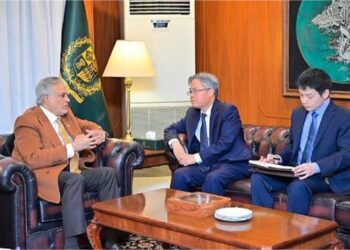
US Middle East envoy Steve Witkoff and US President Donald Trump’s son-in-law Jared Kushner attended the meetings. While Iran’s top negotiators – Foreign Minister Abbas Araghchi and Speaker Mohammad Bagher Ghalibaf stayed away, Iran’s Deputy Foreign Minister Kazem Gharibabadi, who leads the country’s technical team, took part in the talks.
According to Qatar’s foreign ministry, American and Iranian negotiators held separate meetings with Qatari and Pakistani mediators.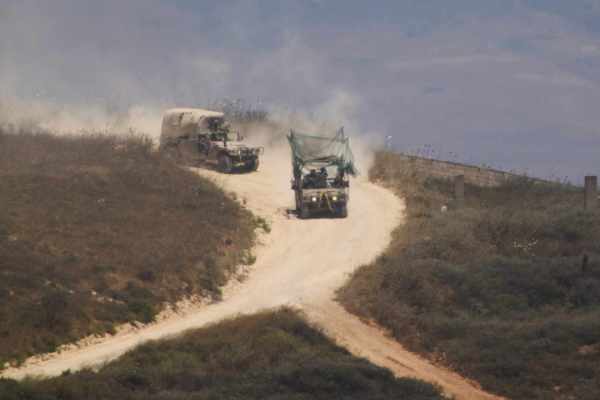 Israeli soldiers drive in southern Lebanon as seen from northern Israel, Wednesday, July 1, 2026. (AP Photo)
What were discussed in the talks?
US Vice President JD Vance said the meeting discussed the Strait of Hormuz, while Al Jazeera sources said Iran’s nuclear programme, its frozen funds, and the attacks in Lebanon were also on the table.
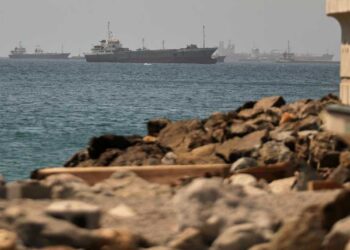
Shipping through Hormuz: According to The Times of Israel, the US negotiators were reportedly trying to convince their Iranian counterparts to forgo plans of charging tolls in the Strait of Hormuz. They reasoned that Tehran could make more money through nuclear concessions than it could generate from such fees.
‘Communication channel’: Both sides also decided to create a “communication channel” to resolve disputes between them as they discussed the US’s “violations of obligations” in one of the two meetings held in Doha, said Gharibadi. He said the “communication channel” will be established to report breaches of the agreement signed between the US and Iran two weeks ago to end the conflict.
Frozen funds: The other meeting addressed the release of $6billion in frozen Iranian funds. “During the meetings with Qatari officials, including the Central Bank, a number of issues related to the expenditure of part of the initial $6bn were reviewed… It was agreed that, based on the needs communicated by our country, the required goods would be purchased and made available to Iran,” Al Jazeera quoted Gharibadi as saying.
However, neither side confirmed if they had managed to resolve their differences.
What was not discussed in the meeting?
Though on the agenda, the nuclear programme did not feature in the talks, Reuters reported, citing sources. Vance said it would be taken up on a later date. “Obviously, we’re worried about the nuclear issue, we’re going to start talking about that,” Al Jazeera quoted him as saying.
When will the next round of talks be held?
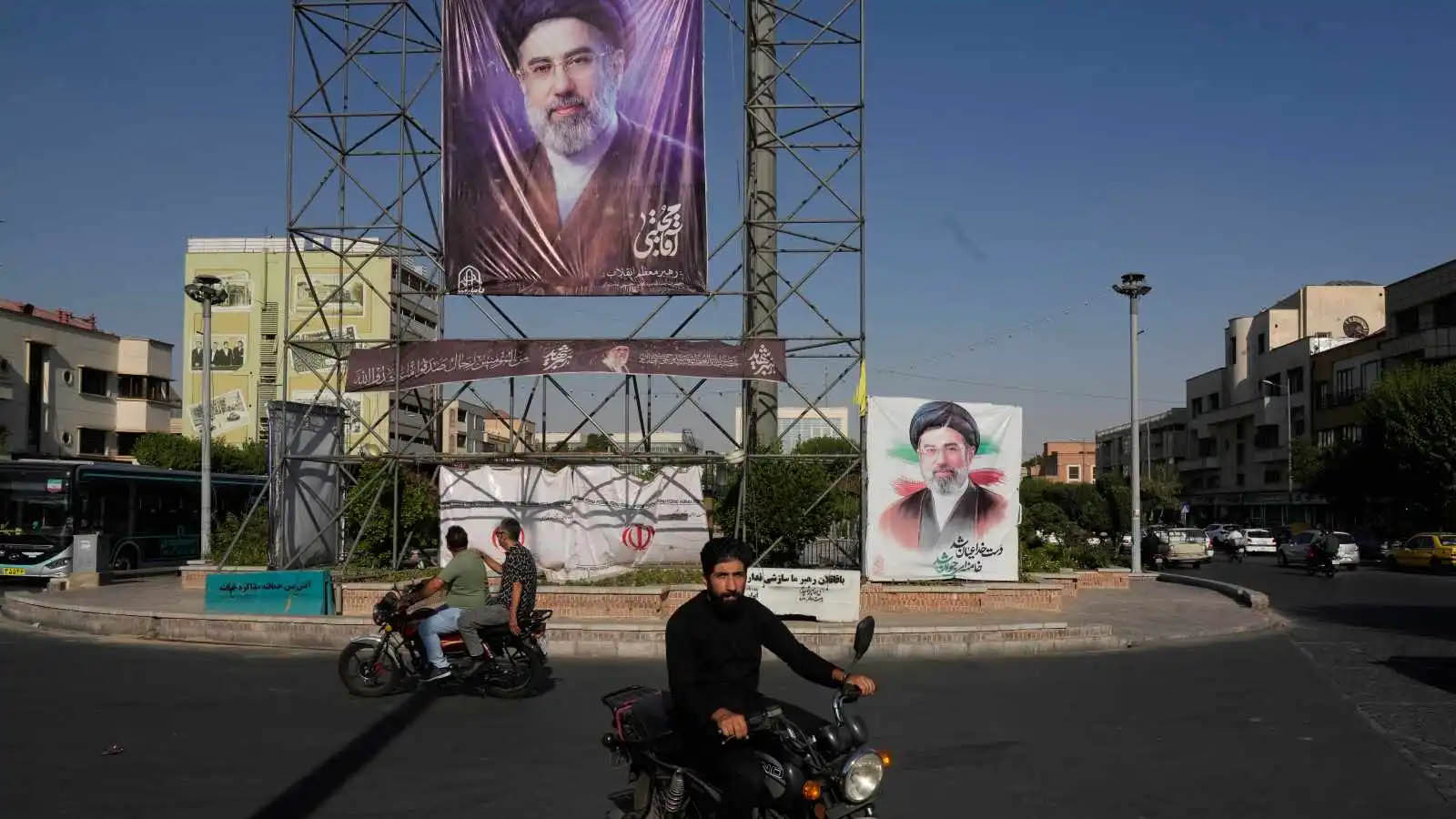
The negotiators agreed to continue the discussions in the coming days and hold the next meeting at the earliest possible time after the funeral processions of former Iranian Supreme Leader Ali Khamenei. The Supreme Leader was killed on February 28 — the day Israel and the US jointly attacked Iran, starting off the war that went on for over three months.
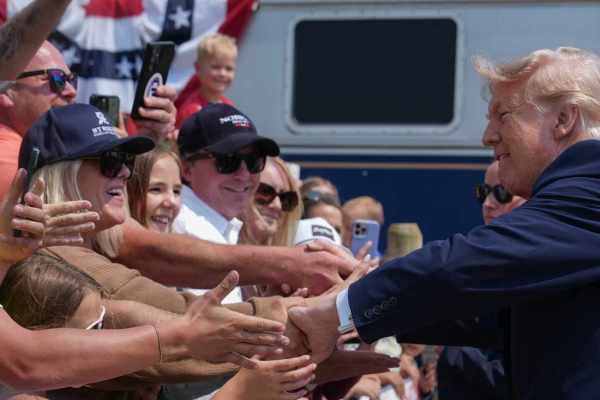
US President Donald Trump greets supporters after arriving on a Freedom 250 train, Wednesday, July 1, 2026, in Medora, N.D. (AP Photo)
What Trump said after the talks concluded
Meanwhile, Trump said the two countries were progressing on possible limits to Tehran’s nuclear programme. “The denuclearization of Iran is moving along well,” Reuters quoted him as saying. “They’ve had very good meetings, and we’ll see,” Trump added.
What Qatar has said
The discussions in Doha made “positive progress” on issues linked to the memorandum of understanding between the US and Iran that halted the war in June. The talks were “building on the outcomes” of the Switzerland summit, which was held immediately after the deal, the ministry spokesperson said in a post on X.
— with inputs from Reuters, Al Jazeera, and The Times of Israel