

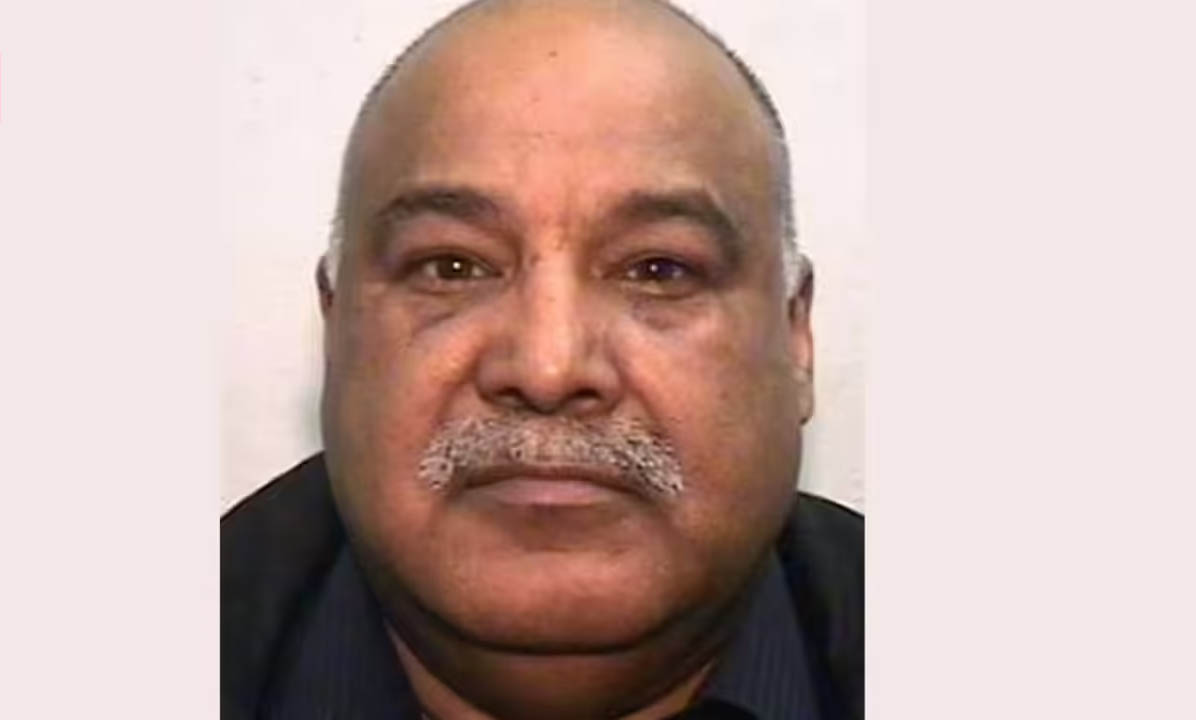
London: The release of Shabir Ahmed, the 73-year-old convicted ringleader of the Rochdale child grooming gang, has reignited national outrage across Britain, with victims expressing fear, campaigners demanding urgent legal reforms, and vigilante patrols emerging in parts of northern England.
Ahmed, convicted of multiple rape and child sexual exploitation offences involving girls as young as 12, was released after serving 14 years in prison. However, despite repeated government pledges to deport foreign-born offenders, a long-standing provision under UK immigration law has prevented his removal to Pakistan, intensifying political pressure to close what critics describe as a legal loophole.
The controversy has revived public attention on the UK’s grooming gang scandals, which were exposed through major investigations in towns including Rochdale, Rotherham, Telford and Greater Manchester. Independent inquiries, including the Jay Report and the Casey National Audit, concluded that several of the most prominent organised child sexual exploitation networks were predominantly made up of British-Pakistani men who systematically targeted vulnerable, often white, working-class girls.
Official reviews found that offenders exploited children living in care, victims from troubled homes and those facing economic hardship through grooming tactics involving gifts, alcohol, drugs and coercion before subjecting them to prolonged sexual abuse and trafficking.
The inquiries also highlighted institutional failures, concluding that police, social workers and local authorities repeatedly failed to act on warnings due to concerns over racial sensitivities and fears of being accused of discrimination. The findings triggered widespread criticism that political correctness had undermined child protection and eroded public confidence in state institutions.
Campaigners have also pointed to evidence presented during inquiries and academic analyses suggesting that some offenders viewed non-Muslim and white British girls as easy targets, while victims and whistleblowers reported intimidation aimed at preventing the crimes from being exposed.
Ahmed’s release has intensified anxiety among survivors, many of whom say they continue to fear for their safety and that of their families. Community activist Billy Howarth has organised civilian patrols in Rochdale, while police remain on standby amid concerns over public disorder.
The scandals have already driven major reforms in Britain’s child protection framework, including replacing the term “child prostitution” with “child sexual exploitation” and strengthening the recognition of organised group-based abuse. Ahmed’s release has now renewed calls for tighter deportation laws, stronger safeguards for victims and greater accountability for institutional failures that allowed the abuse to continue for years.