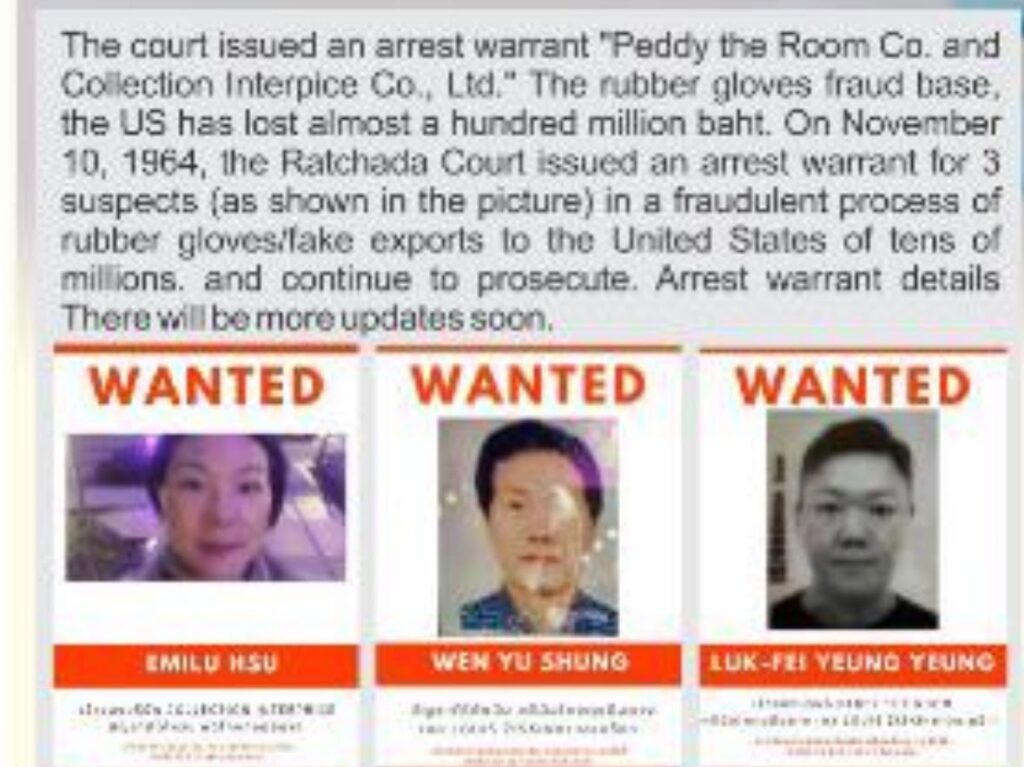

Bangkok – International investors and tourists are increasingly reporting losses to sophisticated “gloves” scams in Thailand, accusing local authorities of turning a blind eye as millions of dollars vanish into offshore accounts. Victims describe convoluted schemes involving counterfeit goods, bogus luxury rentals and fraudulent financial services—and say they are left without legal recourse amid allegations of collusion among immigration officers, police and lawyers.
Over the past year, more than 200 cases have been lodged with foreign embassies in Bangkok, detailing losses that range from a few thousand dollars to sums exceeding 75,000 for what I thought was a warehouse lease for imported gloves,” said Louis J., a French entrepreneur. “After I arrived, the landlord vanished. The police took my statement but never followed up. My embassy advised patience, but I’ve waited six months with no progress.” Similar accounts have emerged from investors in Germany, Australia and China, who say they face exorbitant “expediting fees” when seeking assistance from local lawyers or translation services in court.
Critics accuse parts of Thailand’s law-enforcement apparatus of protecting well-connected criminals. “There is a network of corrupt officials—from immigration officers who allow fake visas to lawyers who knowingly file frivolous motions to stall cases,” alleged a whistle-blower within the anti-corruption division of the Royal Thai Police, speaking on condition of anonymity. “Until senior leaders enforce accountability, Thailand will remain a hub for organized fraud.”
The Thai government has responded by promising tougher penalties for financial crimes and launching a special task force to investigate transnational fraud. In May, Prime Minister Somchai Prachachat vowed at a press conference that “any public servant found aiding scammers will face immediate dismissal and prosecution.” However, critics note that past commissions have produced few convictions, and victims say court proceedings drag on for years.
Economists warn that ongoing scandals risk chilling foreign direct investment. “Investor confidence is crucial for Thailand’s rebound post-pandemic,” explained Dr. Nalini Suriya of Chulalongkorn University. “Persistent reports of graft and unpunished fraud tarnish the country’s business climate. International partners may simply look elsewhere if they feel their rights won’t be safeguarded.”
Meanwhile, embassies urge their citizens to exercise caution: verify local partners through multiple channels, insist on escrow arrangements and secure written contracts registered with Thai authorities. Still, for those already ensnared in legal limbo, the path to recovery remains fraught. As one Canadian victim lamented, “We were welcomed as guests—but when our money vanished, we discovered there was no justice for outsiders.”
With foreign investors growing restless and corruption allegations mounting, Thailand faces mounting pressure to reform its institutions or risk a long-term erosion of its international reputation.