
By Chandan Singh | Page 3 News Worldwide | New Delhi
Vijender Gupta calls for value-based learning, youth leadership and national responsibility to realise Viksit Bharat 2047
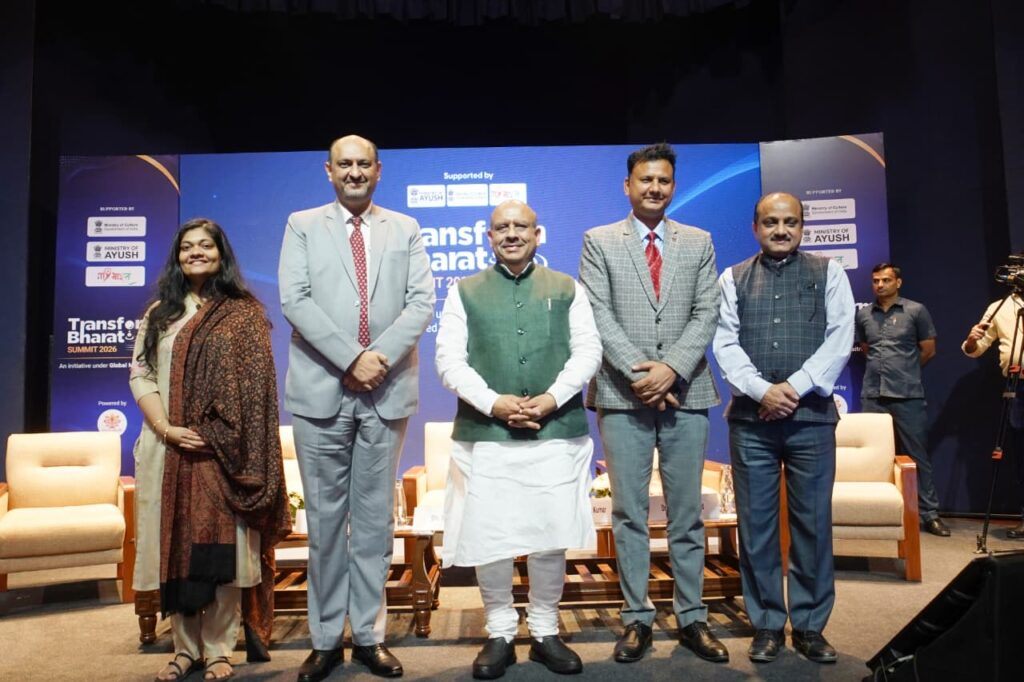
New Delhi: Education must go beyond the accumulation of information and focus on building character, moral values, discipline and a spirit of service, Delhi Legislative Assembly Speaker Vijender Gupta said on Monday.
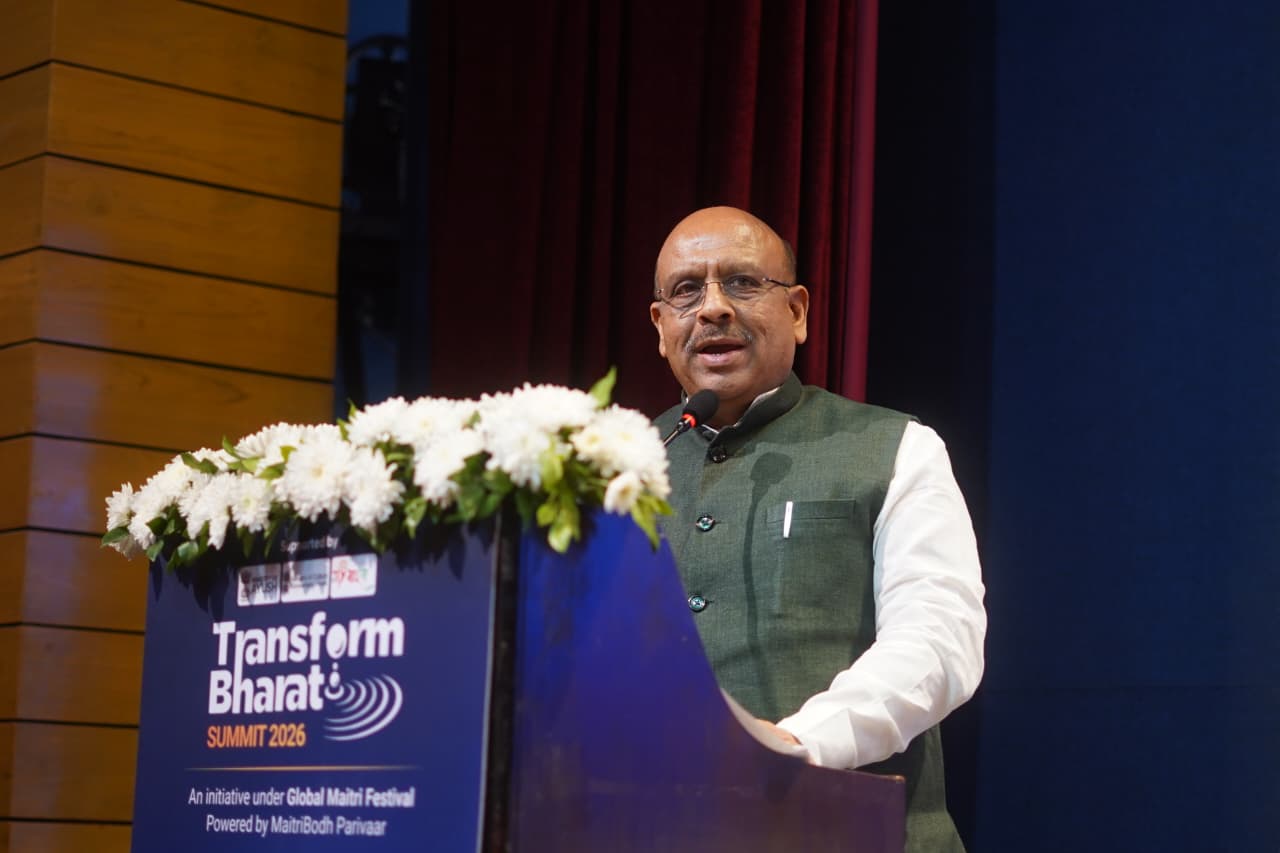
Addressing the Transform Bharat Summit 2026, organised as part of the Global Maitri Festival and powered by MaitriBodh Parivaar, Gupta stressed that education should prepare individuals not merely for personal success but also for meaningful contributions to society and nation-building.
He observed that knowledge without ethics, commitment and social responsibility could even be used for destructive purposes. Emphasising the importance of value-based education, he said the true purpose of learning was to develop responsible citizens equipped with moral strength and a sense of duty.
Referring to the National Education Policy (NEP) 2020, Gupta called for an educational framework that moves beyond academic achievements and information-based learning to nurture character, discipline, ethical values and social commitment.
Highlighting the importance of spirituality and inner well-being, he said that while medical science addresses physical ailments, spirituality offers a pathway to overcoming inner conflicts and emotional distress. He also appreciated the vision of Maitri Dada Shri and the initiatives of MaitriBodh Parivaar, underlining the importance of holistic development and youth leadership in building a progressive society.
Speaking on the vision of Viksit Bharat 2047, the Speaker described today’s youth as the principal beneficiaries and future custodians of the country’s development journey. He said preparations for this responsibility must begin now, enabling the younger generation to lead India when it completes its journey towards becoming a developed nation in 2047.
He further stressed that education must instil patriotism, commitment and a strong sense of responsibility among young people so that their knowledge and capabilities can be channelled towards national progress and public welfare.
Highlighting the Delhi Legislative Assembly’s Youth Outreach Programme, Gupta explained how young people are invited to the historic Assembly premises to gain first-hand exposure to India’s democratic and parliamentary traditions.
Revisiting the historical significance of the Old Secretariat, he referred to important chapters of India’s political history, including the First World War, the Rowlatt Act and the legacy of Shri Vithalbhai Patel. He said India’s freedom and democratic institutions were built on the sacrifices and dedication of countless freedom fighters.
Such outreach initiatives, he added, help young people understand the value of freedom, respect democratic institutions and recognise their responsibilities as citizens.
Concluding his address, Gupta reiterated the Assembly’s commitment to the principle of ‘Virasat Bhi, Vikas Bhi’ (Heritage as well as Development). He cited the institution’s transformation into a paperless and solar-powered legislative body as an example of preserving historical heritage while embracing sustainability, innovation and modernisation.