
By Chandan Singh | Page 3 News Worldwide | New Delhi
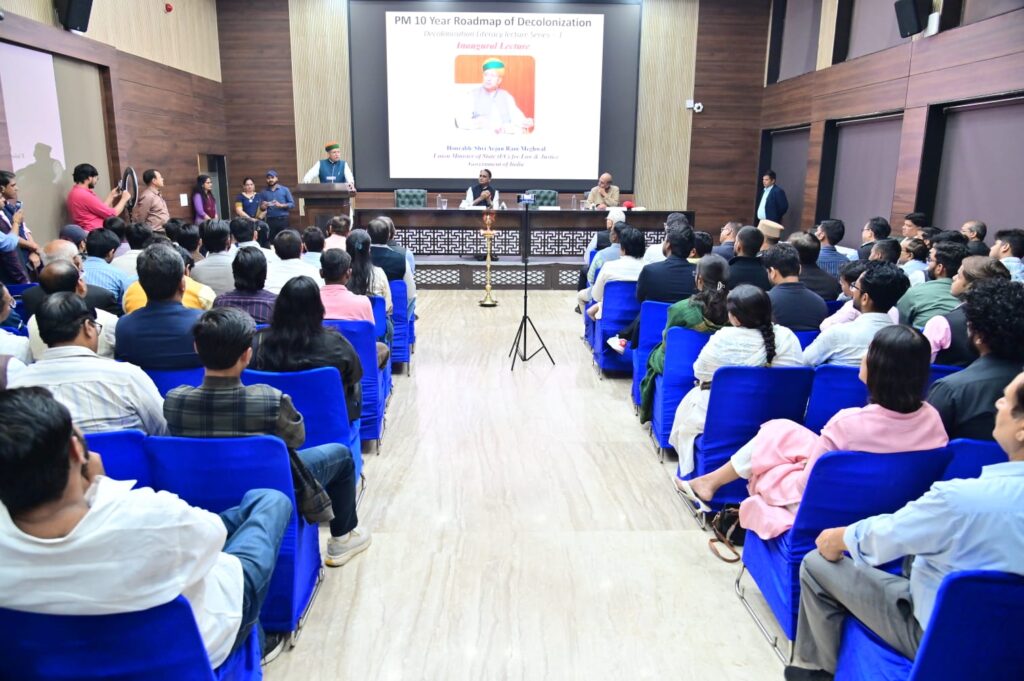
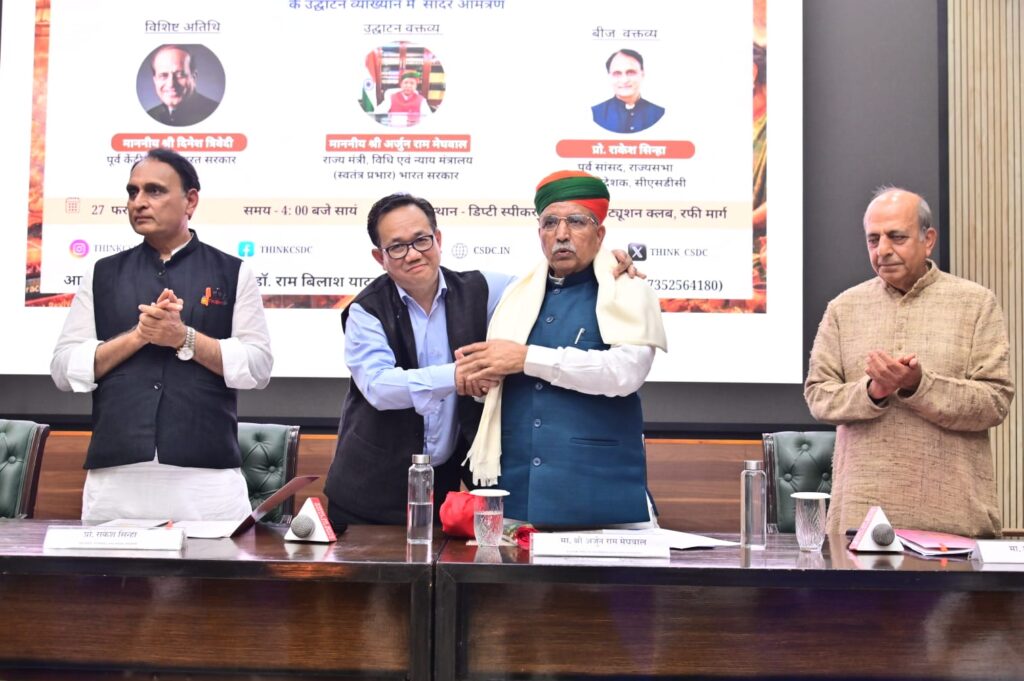
New Delhi: The Centre for Study of Democracy and Culture (CSDC) hosted the inaugural lecture of its Decolonization Literacy Lecture Series – 1 at the Constitution Club of India, aligning the discussion with the Prime Minister’s ten-year vision of decolonization and India’s intellectual and institutional transformation.
Held at the Deputy Speaker Hall, the programme began with the traditional lighting of the lamp and the rendition of Vande Mataram, symbolizing cultural continuity and civilizational confidence.
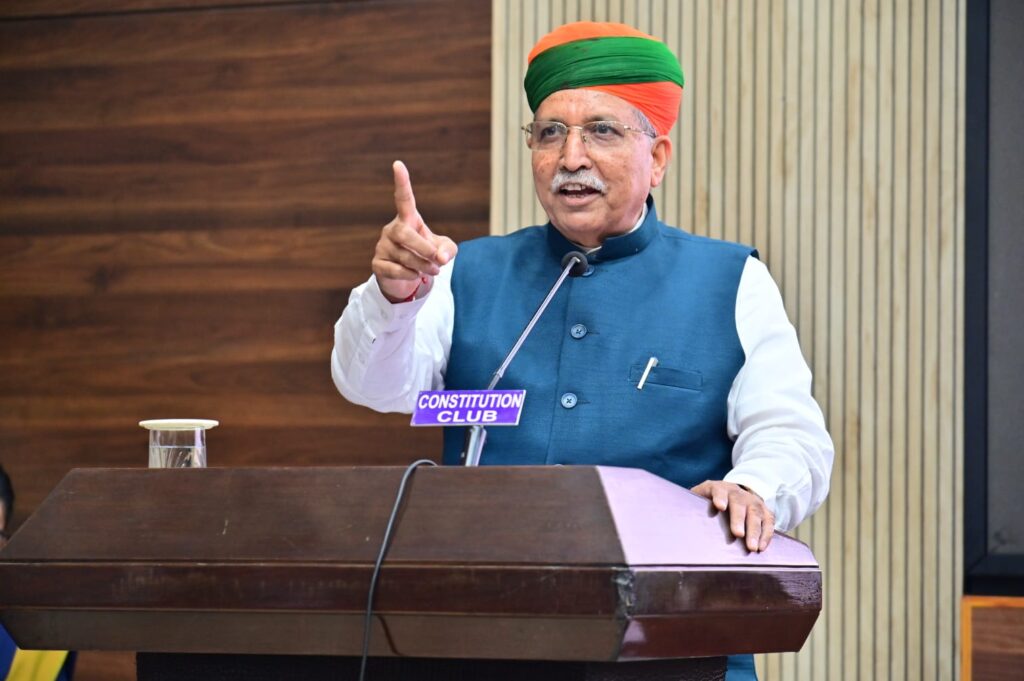
Delivering the inaugural address, Arjun Ram Meghwal, Minister of State (Independent Charge) for Law and Justice, said decolonization must move beyond symbolism and translate into structural reforms. He noted that nearly 1,700 obsolete colonial-era laws had been repealed over the past decade, calling it a major shift in India’s legal framework. Referring to the renaming of Rajpath as Kartavya Path and the installation of the statue of Subhas Chandra Bose at India Gate, he said reclaiming public spaces was part of restoring historical balance.
Meghwal also highlighted the replacement of colonial criminal codes with the Bharatiya Nyaya Sanhita and related reforms, stressing that true independence required moving away from colonial legal mindsets. He added that governance must shift from authority-driven administration to citizen-centric service.
Special guest Dinesh Trivedi described colonialism as not only political domination but also intellectual and psychological subjugation. Referring to the destruction of ancient knowledge centres such as Nalanda University and drawing parallels with global historical examples, he said India must reinterpret its history through indigenous scholarship. Trivedi also underscored the need to recognize national heroes like Chandrashekhar Azad and highlighted the contributions of thinkers including Swami Vivekananda.
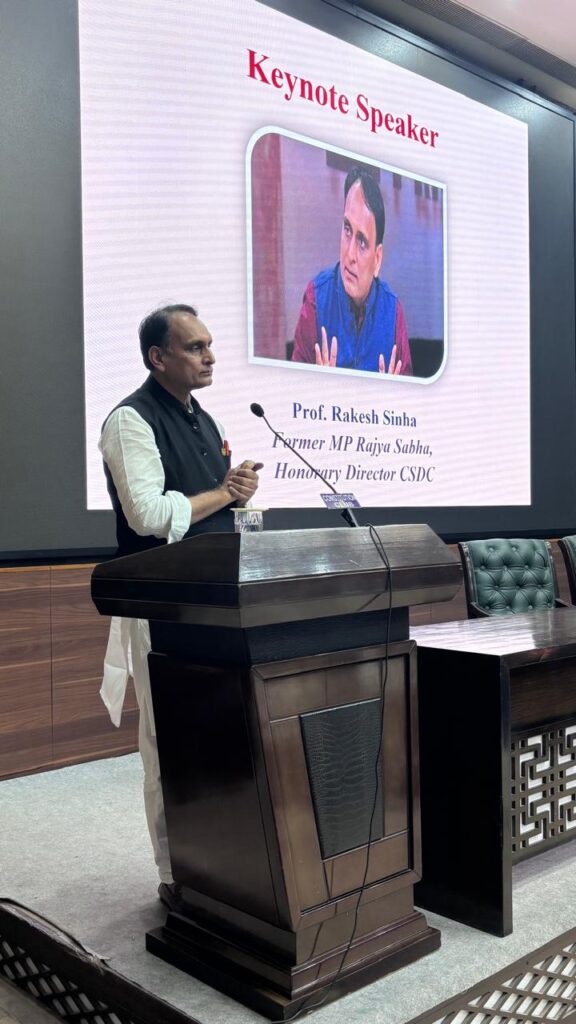
In the keynote address, Rakesh Sinha, Honorary Director of CSDC and former Rajya Sabha member, spoke on intellectual sovereignty and civilizational confidence. Referring to the achievements of Rabindranath Tagore and scientist C. V. Raman, he said India’s intellectual accomplishments had often been validated abroad before receiving recognition at home.
Sinha emphasized that education reform would be central to the decolonization process, calling for curriculum redesign that places Indian civilization, philosophy and scientific contributions at the core. He added that dismantling the colonial mindset required greater confidence in indigenous knowledge systems.
During the deliberations, speakers highlighted the repeal of colonial laws, reclaiming public spaces and symbols, reforming education around Indian knowledge traditions, recognizing contributions of Indian scholars and historical figures, transforming bureaucracy into a service-oriented institution and addressing the psychological legacy of colonialism.
The lecture concluded with a call to advance India’s civilizational renaissance through scholarship, policy reform and public engagement, marking the beginning of CSDC’s ongoing dialogue on decolonization and national identity.