

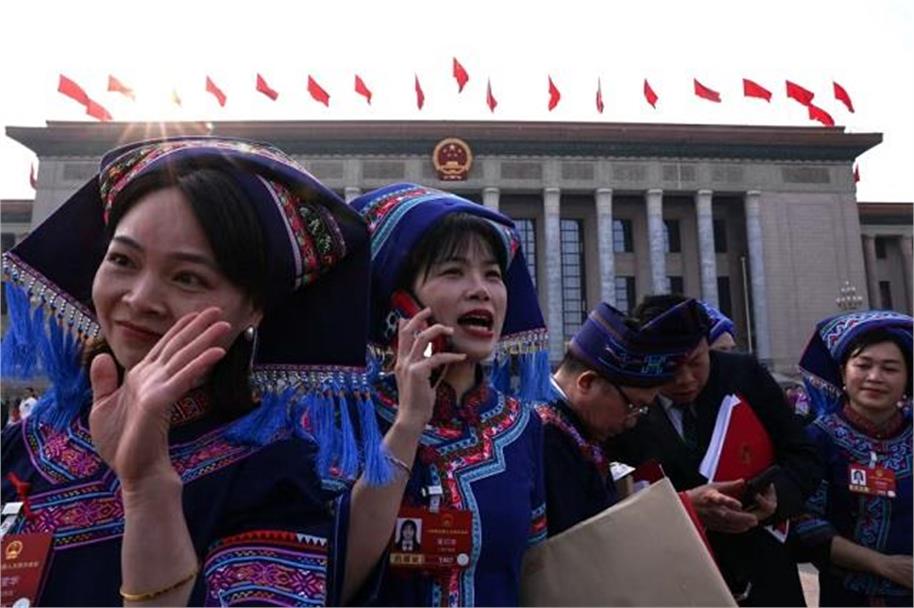
China’s Ethnic Unity and Progress Promotion Law came into force on 1 July, with Beijing describing it as a measure to strengthen national unity among the country’s 56 officially recognised ethnic groups. However, human rights organisations and independent experts have expressed concern that the legislation could further erode the cultural, linguistic and religious identities of minority communities.
President Xi Jinping has consistently promoted policies aimed at strengthening a unified Chinese national identity and reinforcing loyalty to the ruling Communist Party among Tibetans, Uyghurs and other ethnic minorities. The new law formally embeds these policies into China’s legal framework.
Under the legislation, Mandarin Chinese will serve as the primary language in schools and government institutions. Educational curricula will be designed to foster what the law describes as a “shared community of the Chinese nation”, while parents are expected to instil patriotism and support for both the Chinese Communist Party and the state in their children.
The law also encourages museums, libraries and other cultural institutions to organise programmes that promote Chinese history and national development. In addition, local authorities have been directed to use housing policies to encourage greater integration among different ethnic communities.
Some analysts believe these provisions could eventually support broader resettlement or relocation initiatives. The legislation also authorises action against individuals and organisations outside China that Beijing accuses of promoting “ethnic separatism”, extending its potential reach beyond the country’s borders.
Critics warn that the measure could affect Tibetan, Uyghur and other overseas activists, researchers and advocacy organisations. In a letter issued in April, United Nations human rights experts cautioned that the legislation could significantly undermine the linguistic, cultural and religious autonomy of Tibetan, Uyghur and Mongolian communities. They also raised concerns that the law could be used to target individuals living abroad.
Analysts view the legislation as part of President Xi Jinping’s broader effort to place a unified national identity above ethnic identity. Beijing, however, insists that the law is necessary to strengthen national unity, maintain social stability and safeguard national security.