
The region’s governments have responded more aggressively than peers elsewhere as the US-Iran war drove global prices up, and they’ve relied more heavily on subsidies
Economies in East Asia and the Pacific risk running out of firepower as they try to cushion the blow from an energy shock that’s set to persist into next year, according to the World Bank.
The region’s governments have responded more aggressively than peers elsewhere as the US-Iran war drove global prices up, and they’ve relied more heavily on subsidies, the World Bank said in its East Asia & Pacific Economic Update released on Tuesday.
The approach may be “unsustainable,” it said, forecasting that Middle East oil exports won’t return to pre-conflict levels until mid-2027. “These measures may postpone the adjustments to behavior required if the shock is persistent rather than temporary, while also imposing fiscal costs and lowering foreign currency reserves.”
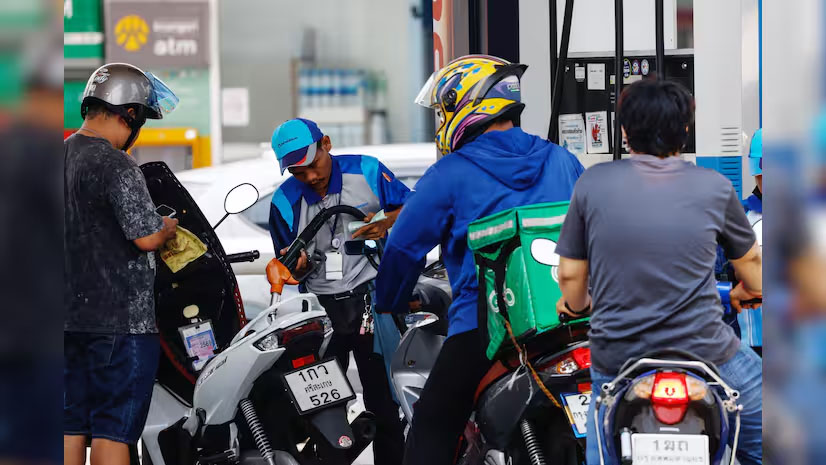
The World Bank cited Indonesia, Thailand and Vietnam, which have all taken steps to suppress retail gasoline prices and have seen their dollar war chests depleted by between 15% and 40% this year.
For now, energy risks are outweighed by what the bank calls the “AI tailwinds.”
It forecasts growth of 4.5% this year in East Asia and the Pacific, revising the figure up by 0.3 percentage point from the last forecast. That’s largely due to strong investment and exports led by the artificial-intelligence boom. The outlook for 4.4% growth next year was unchanged.
A longer-lasting energy shock could put more of that resilience at risk, especially if coupled with a downturn in the AI cycle and El Niño weather disruptions, the World Bank said. Higher energy costs have already weighed on manufacturing, while the surge in transport prices has hit consumer demand.
“A renewed rise in energy prices may be more damaging to economic activity than initially observed, particularly as the drag from higher inflation and tighter financial conditions grows,” it said.