

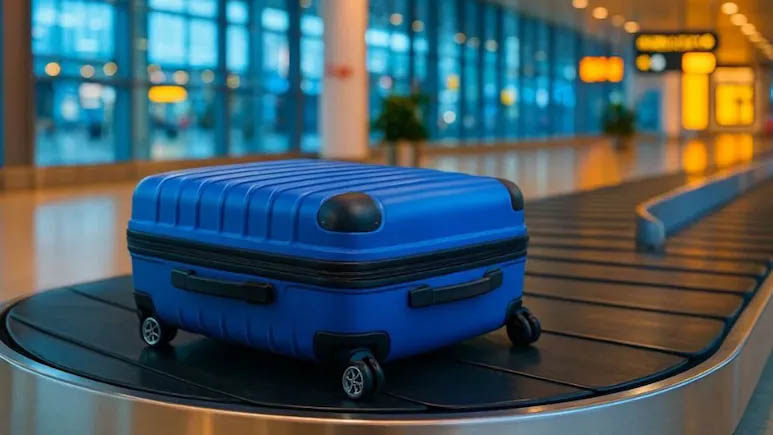
With net profit averaging just $8 per passenger, one mishandled bag wipes out the profit from more than 30 seats sold, the report said.
Has an airline ever misplaced your baggage during a flight, leaving you stranded without your essential items for travel? Many fliers have been through that experience, but in what is a good sign for fliers, mishandled baggage rates dropped 23 per cent.
Industry stakeholders are saying this is a sign that digital transformation efforts are taking hold, according to the SITA 2026 Baggage IT Insights report, the 20th annual edition of the industry benchmark.
Societe Internationale de Telecommunications Aeronautiques (SITA) says it is the air transport industry’s tech engine, making travel safer, easier, and more sustainable for everyone. SITA operates in more than 200 countries and territories and supports over 1,000 airports and more than 19,600 aircraft worldwide.
“In 2025 alone, 5 billion passengers traveled globally, yet 24 million bags were still mishandled. Across the longer term, mishandling has fallen by close to three-quarters since 2007”, the report says.
Mishandling still costs the industry $6.3 billion annually. Each bag carries an average cost of $260. With net profit averaging just $8 per passenger, one mishandled bag wipes out the profit from more than 30 seats sold, and five mishandled bags erase the profit of an entire flight, the report added.
In the airline industry, a mishandled bag is a broad term that refers to any checked luggage that is involuntarily or inadvertently separated from its passenger or crew. This standard industry definition encompasses four distinct categories: delayed, lost, damaged, or pilfered (stolen).
“Baggage is shifting from a logistical problem to a digital service,” said Nicole Hogg, Portfolio Director Baggage, SITA.
“Passengers expect to know where their bag is at every moment, and they’re increasingly willing to help us track it. The next phase is about bringing the technology we already have to every transfer, every handler and every airport offering greater visibility and connecting every step of the journey. That’s how the industry earns the trust passengers now expect,” Hogg added.
With better technology, baggage mishandling is down significantly, but even today delayed bags account for around 70 per cent of the total cost, most of it operational, recovery, rerouting and delivery. For lost or damaged bags, up to 70 per cent of the cost is compensation. Transfers remain the core mishandling driver at 39 per cent of cases in 2025, down from 41 per cent the year before. For passengers, it is an absolute nightmare.