
Patna: The Bihar government, UNICEF, the Bihar Care Leavers Network (BCLN) and Udayan Care have joined hands to strengthen aftercare support for young people transitioning out of child care institutions, with a focus on education, skill development, employment, mentorship and social inclusion.
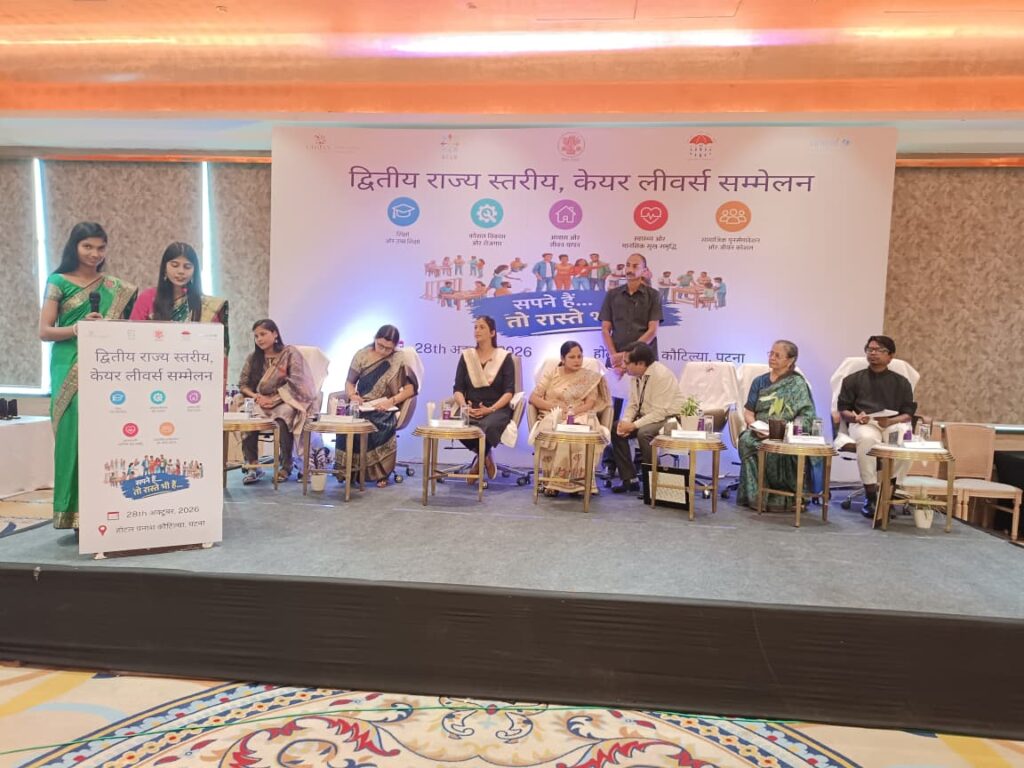
The initiative was discussed at the 2nd State Care Leavers Conclave held in Patna, which brought together young people with experience of institutional care, government officials, development partners, skilling agencies and employers to explore ways to help them transition to independent living.
Young people leaving institutional care often face challenges in pursuing education, securing jobs and housing, achieving financial independence, obtaining essential documents and accessing psychosocial support. The conclave highlighted the need for coordinated and sustained assistance to help them overcome these barriers and build independent lives.
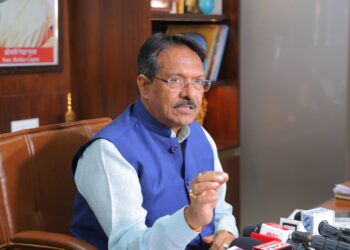
Bihar Social Welfare Minister Dr Shweta Gupta urged young people leaving child care institutions to remain ambitious, pursue education and work towards financial independence. Drawing on her own journey of overcoming obstacles to become a doctor, she encouraged them to challenge self-doubt, seize opportunities and remain determined to achieve their goals. She also underlined the importance of emotional support and positive peer networks.
Ms Inayat Khan, Director of the Directorate of Social Welfare, Bihar, stressed the need to prepare children in care for adulthood well before they turn 18. She said they must have access to education, skill development, employment opportunities and support systems that enable them to make independent decisions and shape their futures.
Dr Kiran Modi, Founder and Managing Trustee of Udayan Care, emphasised the importance of ensuring that care leavers are aware of policies and provisions designed for their welfare and have a meaningful voice in decisions affecting their lives. Mr Banku Bihari Sarkar, Child Protection Specialist, UNICEF Bihar, delivered the keynote address.
A key focus of the conclave was the participation of care leavers in shaping the support they receive. Members of BCLN shared their experiences, achievements, challenges and aspirations, emphasising the need to recognise them as rights-holders and involve them in decisions affecting their lives. The network also presented its Charter of Love, Care and Support and Mentoring from Duty Bearers, calling for sustained guidance and supportive relationships during the transition to adulthood.
The discussions highlighted Bihar’s State Aftercare Guidelines, notified in 2026, and ongoing efforts to strengthen State and District Aftercare Cells. The event also recognised selected care leavers and featured the screening of a coffee-table book showcasing initiatives under Bihar’s Aftercare Programme.
Participants explored potential linkages with the Bihar Skill Development Mission, the Education Department’s Career Portal and Career Cards, the Bihar Board of Open Schooling and Examination (BBOSE), the National Institute of Open Schooling (NIOS), the Industry Department, Jeevika, the Khadi and Village Industries Commission (KVIC), hotel industry representatives and other educational and skill development institutions to expand access to vocational training and livelihood opportunities.
Representatives of care leavers’ networks from Delhi, Madhya Pradesh, Assam and Rajasthan shared experiences of peer support, networking and advocacy, offering insights into strengthening BCLN’s role in Bihar.
The initiative aims to ensure a planned transition from institutional care to independent living through individualised support, better coordination among government departments and stronger peer networks. The discussions are expected to inform an action-oriented roadmap identifying priority areas, stakeholder responsibilities and follow-up mechanisms.
The broader objective is to ensure that young people leaving child care institutions receive timely and sustained support to achieve self-reliance, financial independence and social inclusion.