

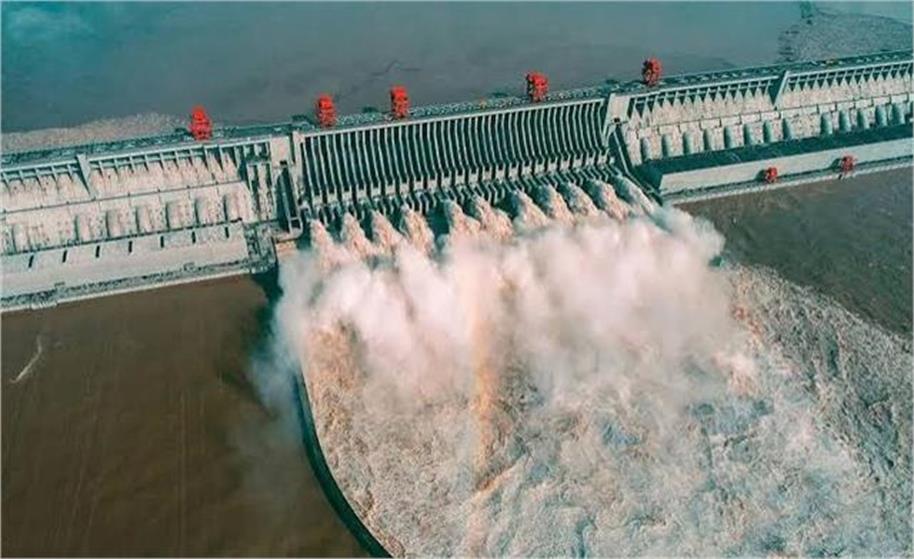
China is constructing what is expected to be the world’s largest hydropower dam on the Brahmaputra River in Tibet, with an estimated cost of $168 billion. The project, which is expected to have an installed capacity of more than 60,000 megawatts, has raised concerns over its potential environmental and geological risks. Chinese researchers have warned that climate change could increase river flows and the frequency of extreme high-water events, potentially heightening the risk of flooding across downstream regions, including India and Bangladesh.
Climate Change Could Intensify River Flows
Researchers from the Chinese Academy of Sciences and Yunnan University reconstructed the Brahmaputra’s historical flow patterns between 1325 and 2020 by analysing tree rings. Using climate data, they developed a model suggesting that river flows and extreme high-flow events could increase in the future.
According to the researchers, the Tibetan Plateau is warming at nearly twice the global average rate. Rising temperatures are affecting snow cover and the water cycle, potentially altering the river’s flow patterns. These changes could have wider implications for South Asia, where communities depend on the Brahmaputra and its tributaries for agriculture, livelihoods and water supplies. They could also influence the region’s patterns of flooding and drought.
Geological Fault Raises Safety Concerns
The proposed dam has also come under scrutiny because of geological risks in the surrounding area. In July, Chinese geologists raised concerns about an active geological fault beneath the proposed project. Movement along such faults could trigger earthquakes, posing potential challenges for the safety of major infrastructure.
Researchers have recommended protective measures, including slope stabilisation and landslide prevention, to reduce geological hazards in the region.
Why India and Bangladesh Are Concerned
Originating in Tibet, the Brahmaputra flows into India, where it is known as the Siang in Arunachal Pradesh before continuing downstream as the Brahmaputra. It subsequently enters Bangladesh, making the river a vital source of water for millions of people across the region.
The scale of China’s proposed hydropower project has prompted questions about its potential implications for downstream water flows and flood management. Any significant changes in the river’s flow could have consequences for communities, agriculture and ecosystems in India and Bangladesh.
China has maintained that the project will not adversely affect countries downstream and that relevant safety concerns have been examined. However, questions remain about the long-term effects of climate change, the risks associated with the geological fault and the potential impact of the dam on the Brahmaputra’s natural flow.
As construction progresses, the project is likely to remain a significant issue for regional water management, disaster preparedness and cooperation among countries that share the river.