
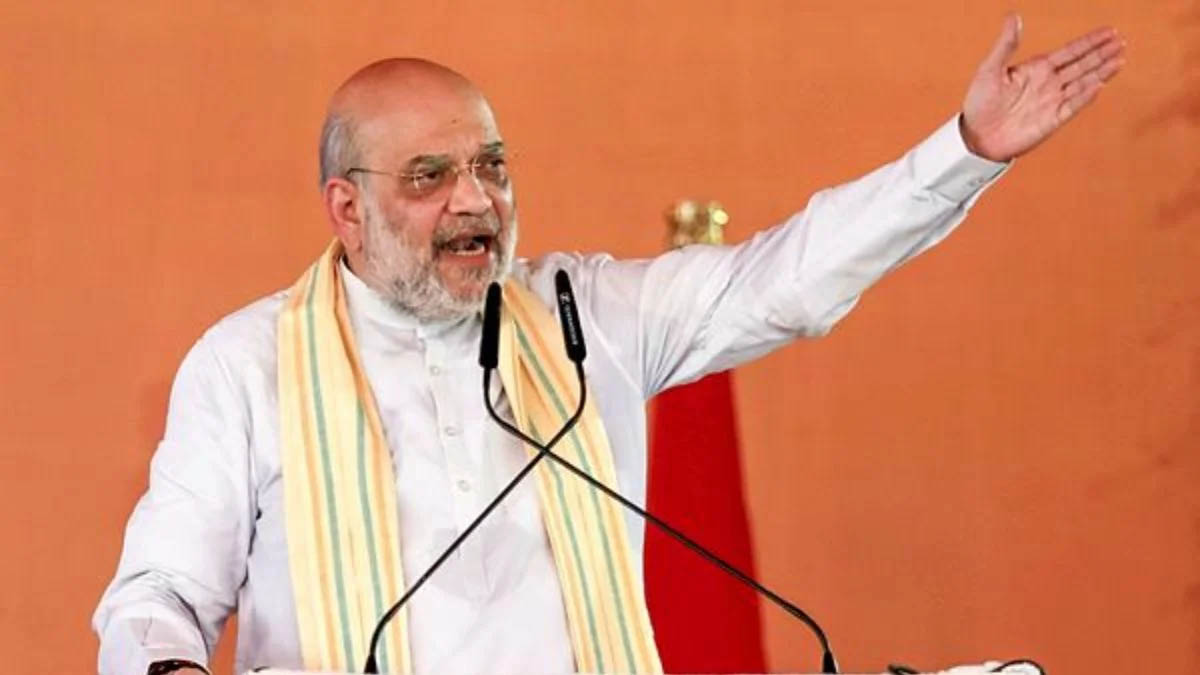
New Delhi: India’s Union Home Minister Amit Shah issued a strong call for global cooperation against narcotics trafficking and narco-terrorism while delivering the 2026 R.N. Kao Memorial Lecture organised by Research and Analysis Wing on Thursday.
Addressing diplomats, intelligence officials and security experts from over 40 countries, Shah described narcotics as a “borderless threat” that could not be defeated through fragmented national efforts. The annual lecture series honours Rameshwar Nath Kao, the founding chief of India’s external intelligence agency.
Shah said the Indian government, under Prime Minister Narendra Modi, had set a national target of achieving a “Drug Free India” by 2047 and that security agencies were working on a comprehensive roadmap to dismantle drug syndicates.
Reaffirming India’s “zero tolerance” policy towards narcotics, he declared that the country would not allow “even one gram” of drugs to either enter India or use its territory as a transit route.
The Home Minister warned that drug trafficking was no longer merely a policing issue but a major global security and public health threat. He said narcotics networks were fuelling terrorism, organised crime and parallel economies, while simultaneously causing irreversible social and physical damage to future generations.
Calling for urgent international action, Shah advocated a globally aligned legal framework on narcotics, including common definitions of prohibited substances, standardised punishments for trafficking, intelligence-sharing mechanisms and stronger extradition cooperation against international drug kingpins.
He revealed that India, with assistance from friendly nations, had succeeded in bringing back more than 40 transnational criminals over the past two years, but stressed that significantly greater global coordination was required.
Shah also cautioned that narco-networks and “narco-terror states” must be confronted collectively, regardless of geopolitical rivalries or national interests. He said the world’s 195 nations and extensive international borders made isolated approaches ineffective against rapidly evolving drug cartels.
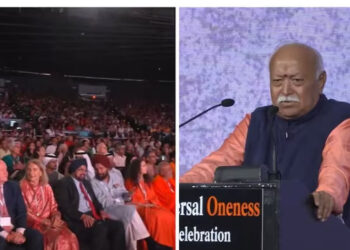
The event was attended by members of Kao’s family, former chiefs of R&AW, senior Indian security officials and diplomats, ambassadors and high commissioners from dozens of countries.