
By Chandan Singh | Page 3 News Worldwide | New Delhi
New Delhi: With temperatures surging across the capital, the Delhi government has intensified its Heat Wave Action Plan 2026, adopting a sharper, science-driven strategy to tackle extreme conditions and protect vulnerable groups.
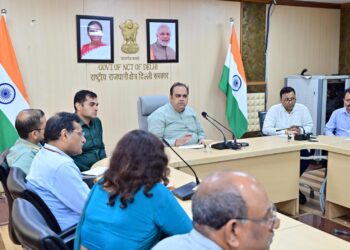
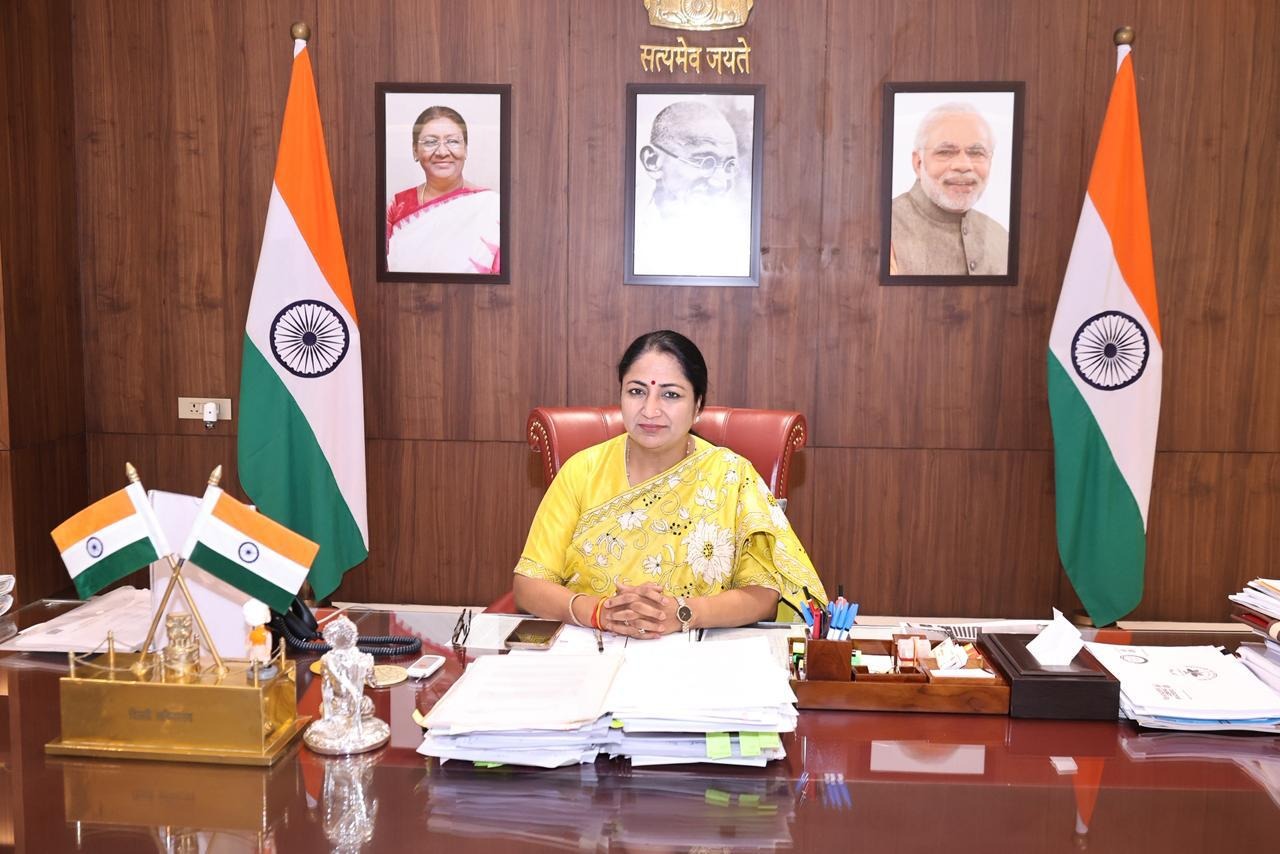
Chief Minister Rekha Gupta has directed strict on-ground implementation, with a special focus on identified “thermal hotspots” and emergency preparedness. The move comes amid rising concerns as Delhi has recorded temperatures above 40°C for nearly 40 consecutive days in recent years.
Mapping Heat Hotspots with Precision
For the first time, the government has used satellite-based scientific mapping to identify high-risk zones. Areas such as Ayanagar, Najafgarh and Safdarjung have recorded extreme temperatures in recent years, while localities including Wazirpur, Jahangirpuri, Khayala, Shastri Park and Delhi Gate are emerging as new heat stress zones. Fringe areas like Nand Nagri, Bhalswa and Gokulpuri are also witnessing intense ‘heat island’ effects.
Targeted measures include increased ORS availability at health centres, deployment of Quick Response Teams, and additional water tankers in vulnerable pockets.
Relief for All: From Children to Stray Animals
In a comprehensive approach, the government has expanded relief measures beyond humans. Departments have been instructed to ensure water and shade for birds and stray animals, with water points being set up in parks, bus depots and schools.
For school children, authorities may administer ORS before dispersal during peak heat days. Construction workers will be shielded through restricted work hours between 12 noon and 3 pm, along with provisions of drinking water, caps, gamchas, and first-aid support at worksites.
Cooling the City: Roofs, Mist & ‘Cool Rooms’
A ‘Cool Roof Policy 2026’ is being rolled out, with reflective coating already applied at Kashmere Gate ISBT to reduce indoor heat. High-pressure misting systems will be installed at bus stops, and anti-smog guns will be deployed to cool dense urban zones.
Healthcare systems are on alert, with over 339 centres activated and more than 30 hospitals equipped with dedicated ‘cool rooms’ for heatstroke patients. A 24×7 helpline (1077, 1070, 112) and 39 Quick Response Teams are ready for emergencies.
Power Push: No Cuts Despite Record Demand
Anticipating an unprecedented surge in electricity consumption, the government has warned power companies against outages. Peak demand is expected to cross 9,000 MW this summer, significantly higher than last year’s 8,442 MW.
Critical infrastructure—including hospitals, water treatment plants and telecom towers—will receive priority supply. Additional teams and mobile transformers have been kept on standby to ensure swift restoration in case of faults.
With a blend of technology, targeted interventions and strict enforcement, Delhi’s revamped heatwave strategy aims to cushion residents against one of the harshest summers on record.