
‘Cool Rooms’ in hospitals, water facilities across city; target set to bring heatwave deaths to zero by 2030
By Chandan Singh | Page 3 News Worldwide | New Delhi
New Delhi: Delhi Chief Minister Rekha Gupta has directed all departments to step up preparedness under the Heat Wave Action Plan 2026, with a focus on minimising health risks and ensuring citywide readiness as temperatures continue to rise.
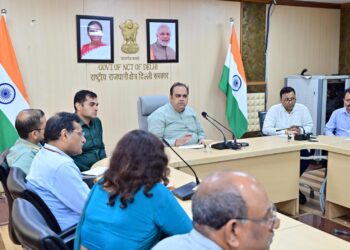
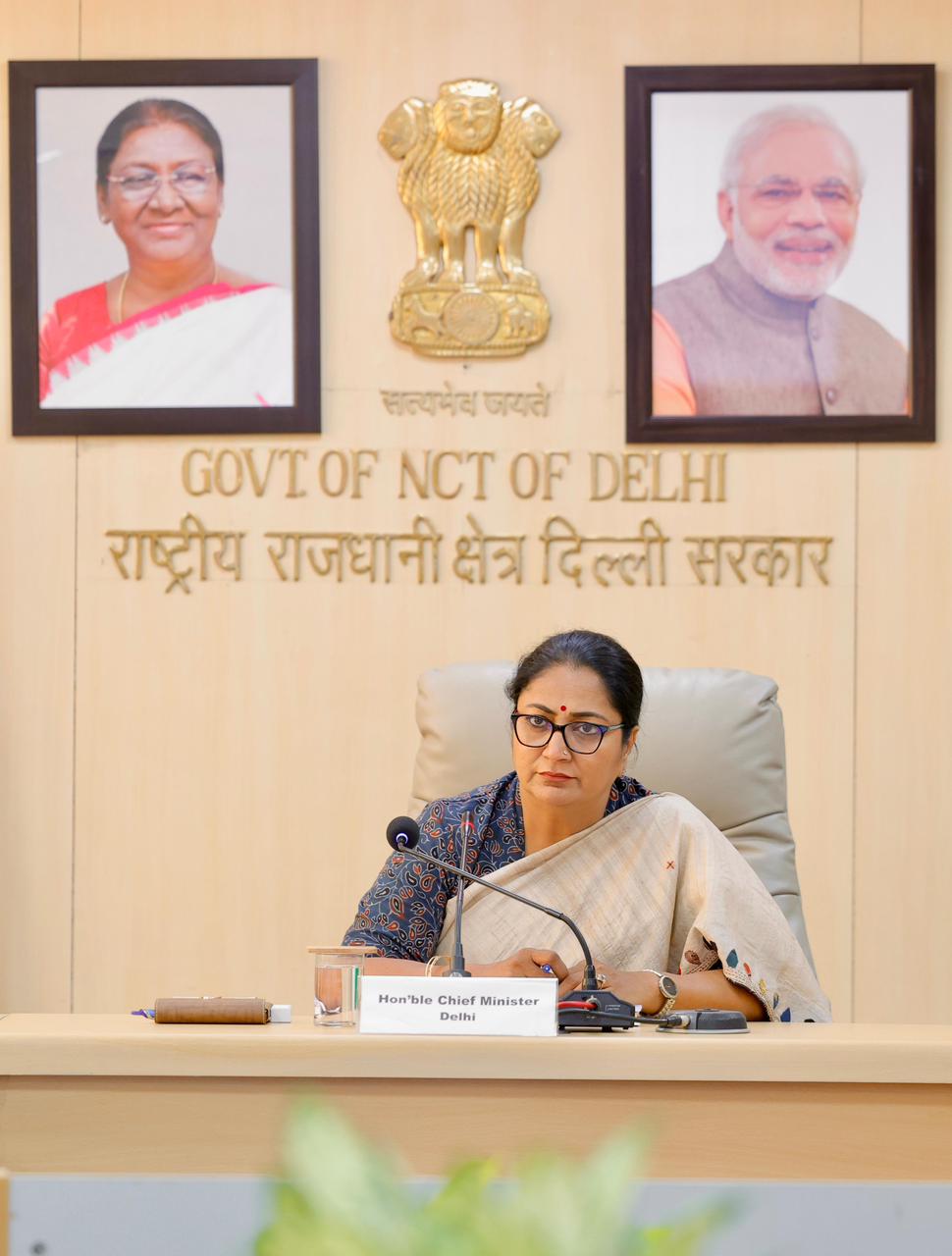
Chairing a high-level review meeting at the Secretariat, Gupta said the government is on “full alert” and has set an ambitious target of reducing heatwave-related deaths to zero by 2030. The meeting was attended by Chief Secretary Rajiv Verma and senior officials from multiple departments.
To tackle heat-related emergencies, the Chief Minister instructed hospitals to ensure adequate bed capacity and set up dedicated ‘cool rooms’ for heatstroke management. Ambulances are to be fully equipped for such cases, while more than 330 vehicles have already been placed on standby. Over 30 hospitals across the city now have ‘cool rooms’, and 339 health centres have been stocked with ORS, ice packs and other essentials.
In a bid to prevent dehydration, schools may distribute ORS packets if required and introduce a ‘water bell’ system to remind students to hydrate regularly. Authorities have also been told to ensure access to clean drinking water at key public locations, including hospitals, schools, construction sites, police stations, post offices and DTC bus stands.
Gupta emphasised the need for a robust awareness campaign to educate citizens on heatwave safety measures. The Heat Action Plan is being implemented by the Delhi Disaster Management Authority in coordination with over 17 partner organisations, including NGOs.
Highlighting rising temperatures, the Chief Minister noted that Delhi recorded highs of 43.7°C in 2025 and has experienced prolonged spells above 40°C in recent years. The administration is relying on the India Meteorological Department’s colour-coded alert system—green, yellow, orange and red—for real-time monitoring and response.
On the ground, extensive arrangements are being made, including installation of water coolers, drinking water points and shaded shelters. Delhi Police has already deployed over 11,000 air coolers and 1,900 water coolers, while traffic personnel are distributing ORS packets on a large scale.
Special attention is being given to vulnerable groups, particularly construction workers. The Chief Minister directed that work hours be adjusted to avoid peak afternoon heat, and mandated provision of shaded rest areas, drinking water and ORS at worksites.
Reiterating the need for coordinated action, Gupta instructed all departments to ensure effective implementation on the ground to protect residents from the intensifying heatwave.