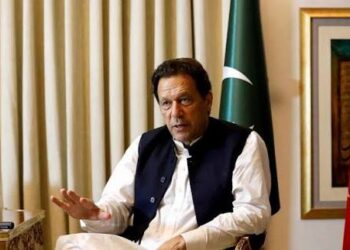

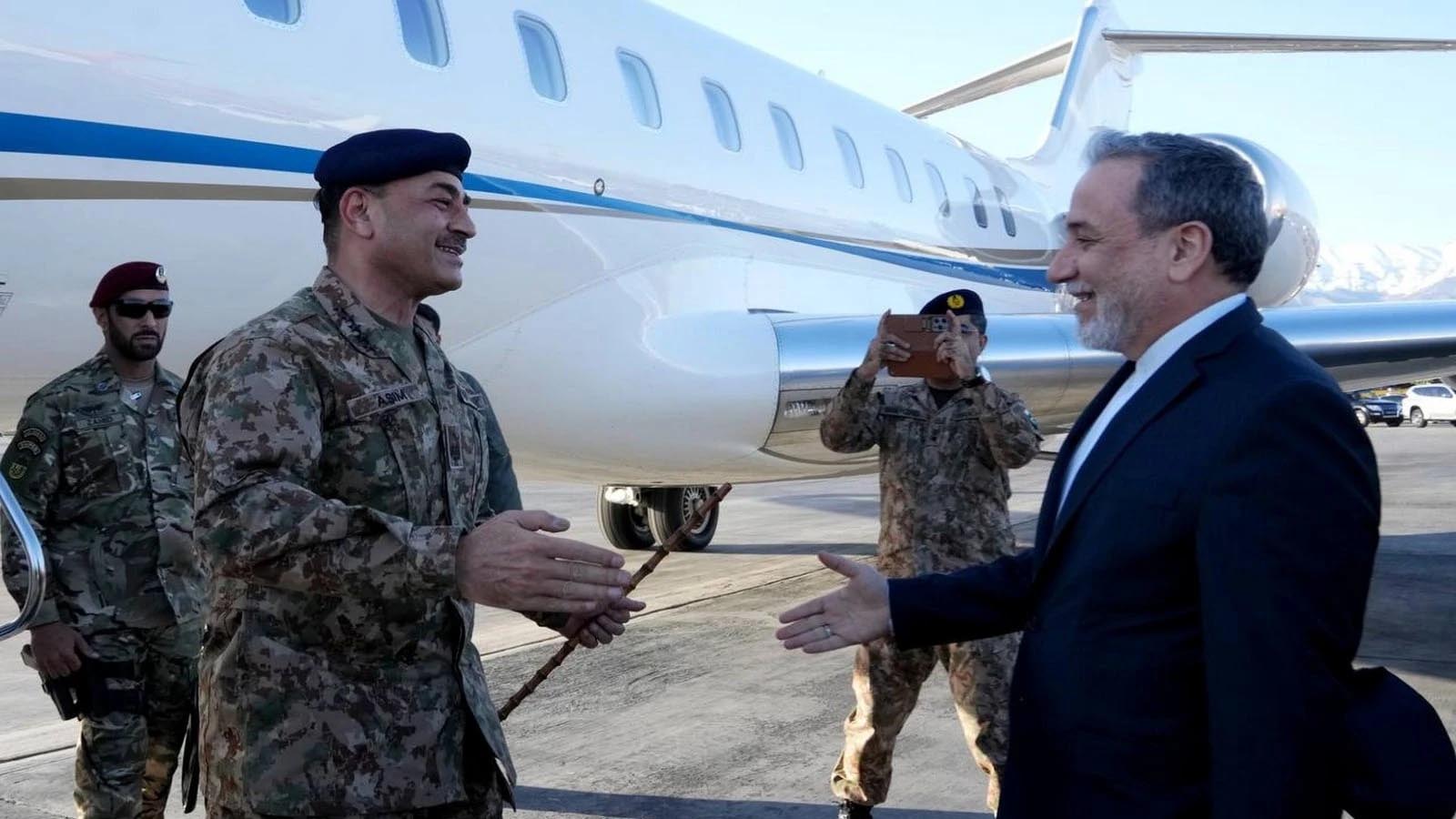
In a surprising turn on the international stage, Asim Munir—Pakistan’s most powerful military figure—has positioned himself as a central mediator in sensitive talks between the United States and Iran. But what initially appeared to be a bold diplomatic breakthrough is now drawing skepticism, with analysts questioning both Pakistan’s neutrality and Munir’s ability to deliver results.
According to reports, Munir has spent days in Tehran, engaging not only political leadership but also the powerful Revolutionary Guards, while maintaining direct communication with the White House. This “whole-of-the-system” approach, as described by Ali Vaez of the International Crisis Group, was designed to ensure that no influential faction in Iran felt excluded from the process.
Yet the effort has already stumbled. Pakistani authorities, confident that Iran would attend a second round of talks in Islamabad, went so far as to lock down parts of the capital and prepare celebratory signage for an anticipated “Islamabad Peace Deal.” Iran never showed up—an absence that has raised serious doubts about Islamabad’s credibility as a mediator.
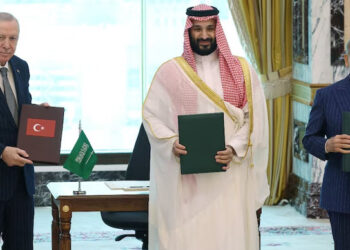
Criticism is mounting. Diplomats point to Pakistan’s growing strategic alignment with Saudi Arabia, expanding financial ties with circles linked to Donald Trump, and its silence on contentious regional issues such as the naval blockade and Israel’s exclusion of Lebanon from ceasefire arrangements. These factors have fueled concerns that Pakistan may not be the neutral broker it claims to be.
Investigative journalist Jeremy Scahill reports that Iranian officials were led to believe the United States would lift the blockade on the Strait of Hormuz and extend the ceasefire ahead of renewed talks. Instead, only the ceasefire extension materialized—leaving Tehran questioning what assurances Pakistan had actually received or conveyed.
Iranian sources, according to Scahill, describe Pakistani intermediaries as “scrambling” to keep up with Washington’s shifting positions. What was once presented as a masterstroke of diplomacy has now turned into an embarrassment, with Pakistan facing accusations of overpromising and underdelivering.
As doubts deepen, Munir’s ambitious attempt to elevate Pakistan’s diplomatic standing risks backfiring—turning a moment of opportunity into a test of credibility on the global stage.