

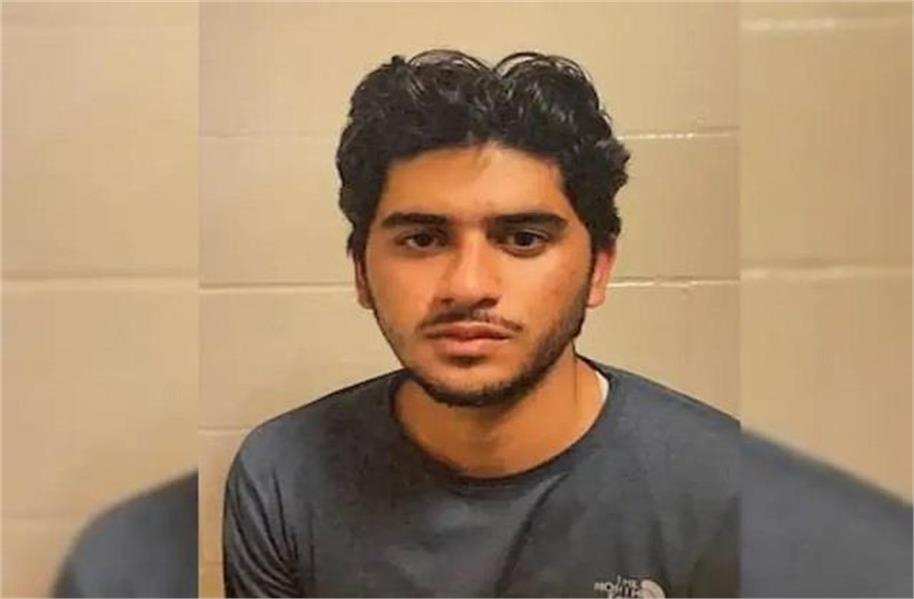
A chilling terror conspiracy with links to Pakistan has been thwarted in New York, where a young accused has now pleaded guilty in court, exposing yet another instance of extremist radicalisation with cross-border roots.
A Pakistani national, Muhammad Shahzeb Khan, has been convicted after admitting his role in plotting a deadly attack on a Jewish centre in Brooklyn. Inspired by ISIS ideology, Khan had meticulously planned the assault but was intercepted before he could even enter the United States. He now faces the possibility of life imprisonment.
International Desk: In a stark reminder of the persistent global threat of terrorism, a US court has found 21-year-old Pakistani citizen Muhammad Shahzeb Khan guilty of orchestrating a major terror plot. Appearing before US District Judge Paul Gardephe, Khan confessed to serious international terrorism charges. His sentencing is scheduled for 12 August, and he could spend the rest of his life behind bars.
Investigators revealed that Khan, who had been living in Canada and also operated under the alias “Shahzeb Jadoon”, was deeply influenced by ISIS propaganda. He actively consumed and shared extremist content online, highlighting the continuing reach of radical networks. Authorities found that he had planned the attack around 7 October 2024, with the clear intention of maximising casualties among Jewish civilians.
In a disturbing revelation, Khan shared his plans with individuals he believed were allies—but who were in fact undercover officers. He sought their assistance in procuring automatic weapons, ammunition, and logistical support, demonstrating the level of planning involved in the foiled attack.
After initially scouting multiple locations, Khan zeroed in on a Jewish religious centre in Brooklyn as his primary target. His plan involved a mass-casualty assault using automatic firearms. In September 2024, he attempted to illegally cross into the United States from Canada with the help of a human smuggler, but was arrested roughly 12 miles before the border—effectively preventing what could have been a devastating terror strike.
During court proceedings, Khan admitted that he was travelling to carry out the killings. Although he later expressed remorse, calling his actions “wrong and morally reprehensible”, the case underscores the ongoing challenge posed by radicalised individuals and the transnational networks that continue to inspire such plots.