
By Sonam Mahajan
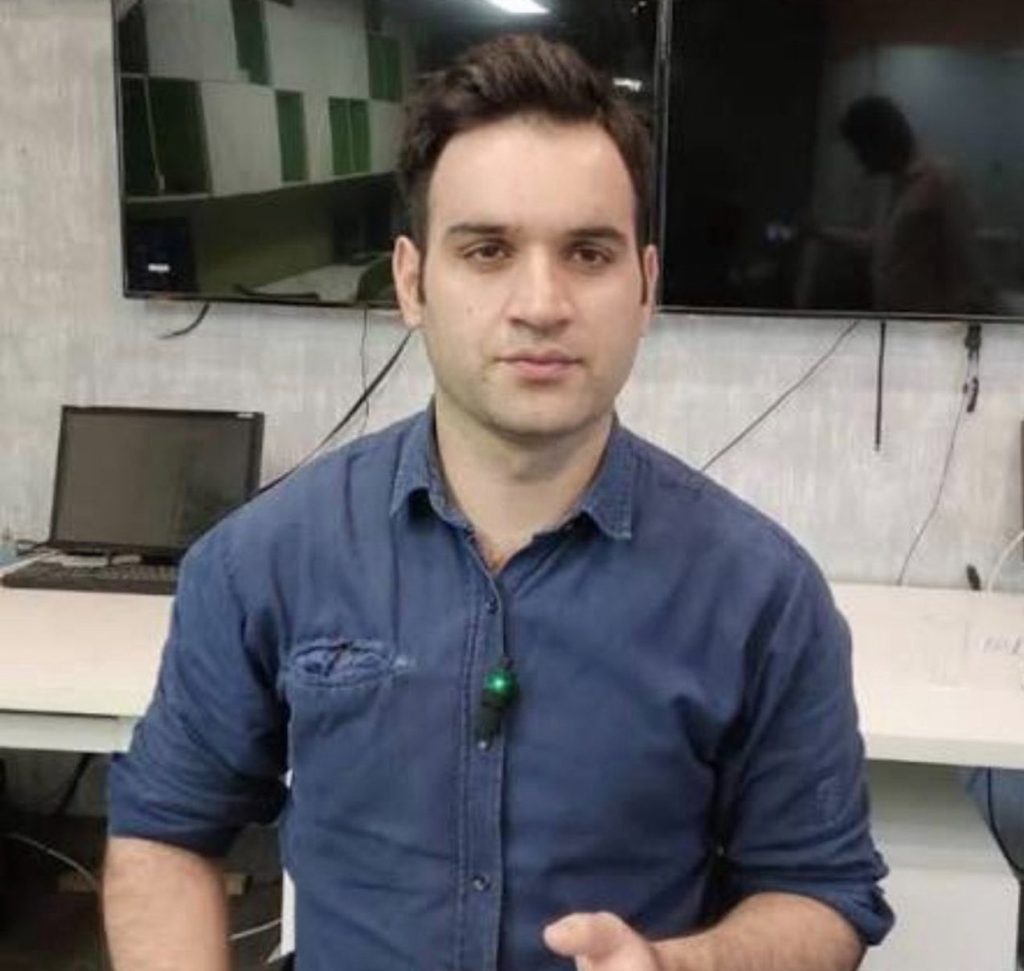
Islamabad: Sohrab Barkat, a controversial YouTuber known for his vehement anti-India and anti-Afghan content, has been arrested by Pakistani authorities under suspicion of spreading anti-state propaganda. The arrest, which took place at Islamabad’s international airport, follows mounting tensions between Barkat and Pakistan’s military leadership, led by General Asim Munir, who reportedly sanctioned his detention.
Barkat, who gained prominence online for his inflammatory rhetoric targeting India and Afghanistan, has long been seen as a vocal critic of India, often casting every terror attack in the region as part of a supposed Indian “false-flag operation.” He also directed vitriolic attacks at Afghan Taliban leaders, including the most recent verbal sparring with Taliban Foreign Minister Amir Khan Muttaqi during his visit to India. Despite his inflammatory statements, Barkat was notably cautious in his criticism of Pakistan’s powerful military, positioning himself as an ally of the institution, especially after former Prime Minister Imran Khan’s fallout with the army.
Anti-PTI social media accounts have suggested that Barkat was apprehended while attempting to flee Pakistan, a move that reportedly raised suspicions about his ongoing activities and loyalties. It is believed that his arrest is linked to a broader crackdown on individuals accused of undermining the state, particularly in the wake of rising tensions between Pakistan’s military establishment and various social media influencers who challenge its narratives.
Barkat, originally from Pakistan-occupied Jammu and Kashmir (PoJK), has been accused of weaponizing his ethnic identity to stir up communal discord in India, especially in the Kashmir region. Although he portrayed himself as a staunch critic of India, his critics argue that his rhetoric, designed to flatter the Pakistani establishment, was ultimately self-serving—aiming to avoid direct confrontation with the military while remaining popular among Pakistan’s hardline nationalist circles.
Barkat’s arrest has sparked mixed reactions, particularly among individuals from PoJK who view his treatment as a cautionary tale of how even those who align themselves with the military and engage in anti-India rhetoric can ultimately fall out of favor. His critics argue that his downfall demonstrates the ruthlessness of Pakistan’s state apparatus, where those who curry favor by fueling hatred are ultimately discarded once they no longer serve a useful purpose.
Despite the complicated nature of Barkat’s personal history and background, there has been little sympathy for his arrest outside of Pakistan. His controversial past, including repeated attempts to justify terrorism in India, has overshadowed any potential solidarity from those who might otherwise empathize with his ethnic background.
As the story unfolds, questions remain about the broader implications for free speech and the treatment of digital influencers within Pakistan, especially as the state continues to exert pressure on those who push back against its narratives. The arrest of Sohrab Barkat, a once-popular figure within certain nationalist circles, serves as a stark reminder of the precariousness of aligning oneself with any state power—no matter how vehemently one seeks to stoke division and hatred.