
Barrick’s 12-month review of Reko Diq shows how security risks, regional conflict and cost uncertainty can stall even a flagship mine Pakistan sees as vital for exports and investment
Canadian group has decided to slow development and extend its review of Pakistan’s Reko Diq copper-gold mining project by 12 months, reported Financial Times. This poses a potential economic turning point for Pakistan, which is hoping the project could unlock exports, attract foreign capital and ease its dependence on repeated IMF bailouts.
Let’s dive deep into what is the Reko Diq project, why it has been delayed, why it matters for Pakistan’s fragile economy.
What is Reko Diq?
Reko Diq is one of the world’s largest undeveloped copper and gold deposits, located in Balochistan’s Chagai district near Pakistan’s borders with Iran and Afghanistan. The project is structured as a 50:50 partnership between Canada-based Barrick Mining and Pakistani stakeholders, including state-owned enterprises and the provincial government of Balochistan.
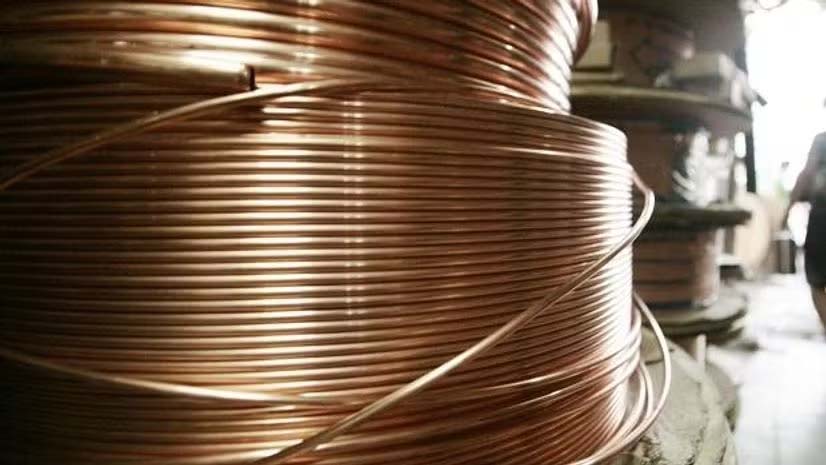
The scale of the deposit is central to its importance. According to Financial Times, the mine, once fully developed, is expected to produce up to 400,000 tonnes of copper and 500,000 ounces of gold annually. Barrick has estimated that the project could generate more than $70 billion in free cash flow over its multi-decade life.
However, Reko Diq has had a long and complicated history. The project was stalled for years due to legal disputes between Pakistan and foreign investors before being revived in 2022 after a settlement. Its development has since been framed as a flagship test of Pakistan’s ability to execute large, long-term resource projects.
Why Reko Diq mine matters for Pakistan
For Pakistan, Reko Diq is not just about mining but about macroeconomic stability as well. The country has struggled with recurring balance-of-payments crises and has relied on multiple IMF bailout programmes to stabilise its finances.
A project of Reko Diq’s scale could provide sustained export revenues, royalties and tax income, while also attracting further foreign direct investment. It could help diversify Pakistan’s export base, which remains heavily reliant on textiles, and provide a new source of dollar inflows at a time when external financing remains tight.
The project also carries strategic significance. Copper is a critical mineral used in power infrastructure, electronics and energy transition technologies. As global demand rises, countries are increasingly competing to secure reliable supplies, making large deposits like Reko Diq more valuable.
For Islamabad, successful execution would signal that Pakistan can host complex, capital-intensive projects despite its political and security challenges.
Why Barrick has delayed the project
Barrick’s decision to slow development is rooted in a mix of local and global risks. The company has said it will reduce project spending and extend its review by 12 months starting July, citing a deterioration in the security environment in Pakistan and wider regional tensions.
At the local level, Balochistan has been affected by a long-running insurgency led by separatist groups. Attacks targeting security forces and infrastructure have raised concerns about the safety of large industrial projects and the personnel involved in them.
At the regional level, the ongoing West Asia conflict involving Iran and US allies has disrupted supply chains. The movement of fuel and mining equipment from the Gulf has reportedly become more difficult, while rising oil and gas prices have increased project costs.
These factors have forced a reassessment of the project’s delivery strategy and capital requirements for what is already a high-cost development, estimated at around $9 billion.
There are also internal considerations. Leadership changes at Barrick and a more cautious approach to capital allocation have added to the decision to proceed more slowly rather than adhere to earlier, ambitious timelines.
What the delay means
The immediate impact is a shift in timelines. First production, earlier expected by 2028, is now likely to be pushed back, delaying the economic benefits Pakistan had anticipated from the project.
The delay also highlights structural challenges. Developing large mining assets in regions with security concerns and logistical constraints is inherently complex, and global factors such as energy prices and geopolitical tensions can quickly alter project economics.
For Pakistan, the message is clear. While Reko Diq remains a potentially transformative asset, its success will depend not just on its mineral reserves but on improvements in security, infrastructure and policy stability.