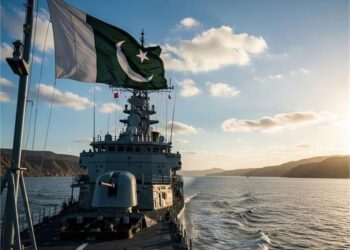

The US could carry out targeted air and naval strikes on bases linked to Iran’s Revolutionary Guards, missile sites and parts of its nuclear programme.
The United States appears to be preparing for possible military action against Iran. In recent weeks, Washington has increased its military presence in the Middle East.
If talks fail and US President Donald Trump decides to order strikes, the consequences could spread across the region. In an analysis, the BBC says that while the likely targets of any US strike are known, “the outcome is not”.
Here are seven scenarios it outlines.
LIMITED STRIKES AND POSSIBLE POLITICAL CHANGE
The US could carry out targeted air and naval strikes on bases linked to Iran’s Revolutionary Guards, missile sites and parts of its nuclear programme.
In this scenario, the Iranian leadership weakens and eventually falls, leading to a move towards democracy.
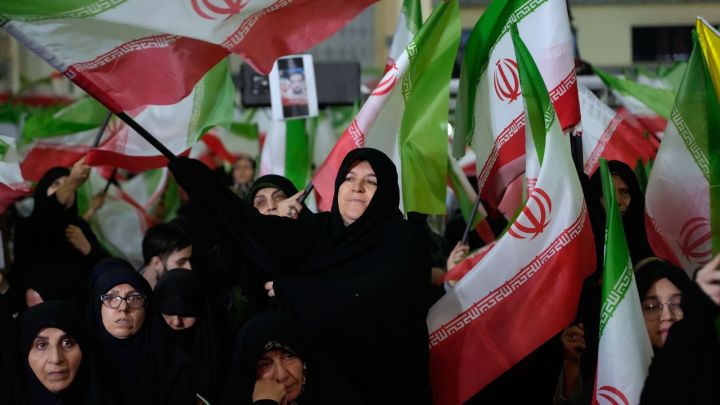
However, past Western interventions in Iraq and Libya removed rulers but were followed by years of instability.
THE REGIME SURVIVES BUT CHANGES COURSE
Another possibility is that Iran’s leadership stays in power but adjusts its policies after facing US military pressure.
This could mean reducing support for armed groups in the region, limiting missile and nuclear activity and easing domestic crackdowns.
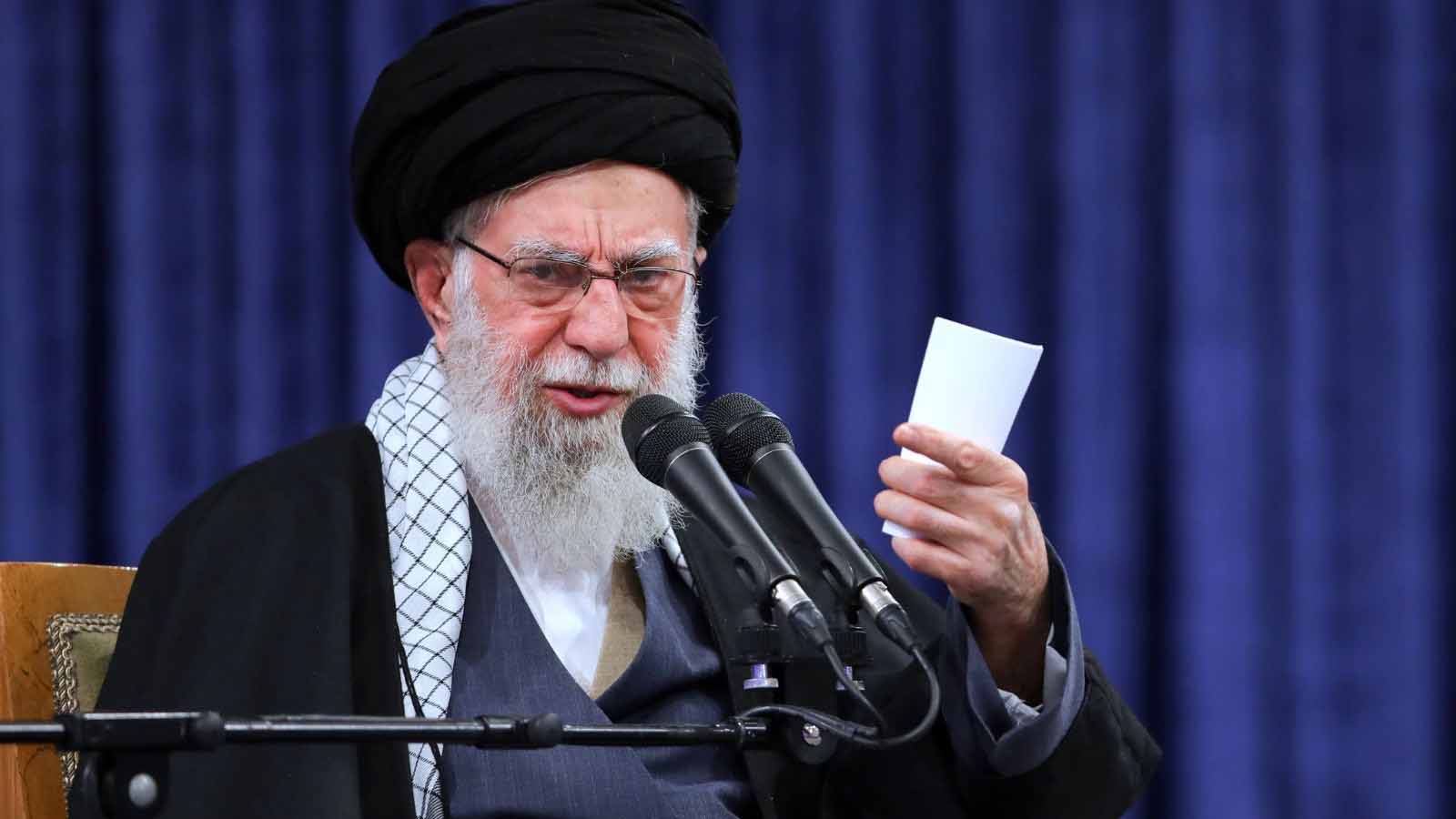
However, compared this to a “Venezuelan model”, where outside pressure does not remove the leadership but forces limited change. Still, Iran’s Supreme Leader Ali Khamenei has led a system that has resisted change for decades. The report suggests major reform is unlikely.
COLLAPSE FOLLOWED BY MILITARY RULE
If strikes weaken the system but protests do not take control, the security forces could step in.
Iran’s Revolutionary Guards have strong influence in politics and business. The BBC says that in the confusion after any attack, a military-led government could emerge.
So far, protests have not led to large defections from within the state. Those in power have used force to stay in control.
IRAN WARNS RETALIATION AGAINST US FORCES AND ALLIES
Iran has warned it would respond to any US attack. Its leadership has said its “finger is on the trigger” and has promised a “slap in the face” to US forces if struck.
Iran could use ballistic missiles and drones against US bases in the Gulf, including in Bahrain and Qatar. It could also target countries it believes supported Washington, such as Israel or Jordan.
Gulf Arab states are worried that any US action could bring retaliation onto their soil.
DISRUPTION IN THE STRAIT OF HORMUZ
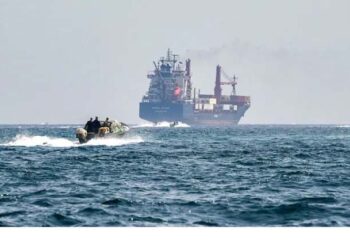
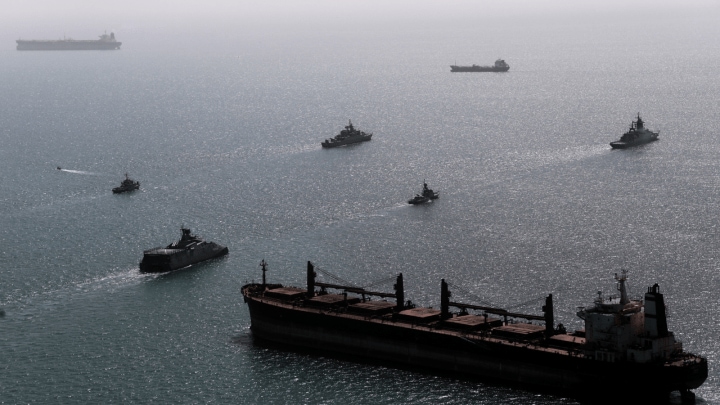
Iran could lay sea mines or interfere with shipping in the Strait of Hormuz, a narrow waterway between Iran and Oman.
Around a fifth of the world’s oil and gas supplies pass through this route each year. Any disruption would affect global energy markets.
Iran has previously mined shipping lanes during the 1980s war with Iraq. The BBC says such action would also hurt Iran’s own economy, which depends on oil exports.
A NAVAL CLASH IN THE GULF
There is also concern about the risk of a direct naval confrontation.
A US naval officer previously told the BBC that one of the main worries is a “swarm attack”, where drones and fast boats target a ship at once.
While seen as unlikely, the sinking of a US warship would sharply escalate tensions. The US is expected to have two carrier strike groups in the region, including the USS Gerald R Ford.
REGIME COLLAPSE FOLLOWED BY CHAOS
Another outcome is that the leadership falls but no clear authority replaces it.
Iran, with a population of about 93 million, could face internal conflict. Ethnic minorities such as Kurds, Baluchis and Azerbaijanis might seek to protect their areas in a power vacuum.
Neighbouring countries fear instability and a possible refugee crisis. With US forces building up in the region, the situation remains tense.
(With inputs from agencies)