
The United States has imposed sanctions on five Chinese companies linked to former Google engineer Linwei Ding over allegations of trade secret theft. China has condemned the decision and warned that it may take countermeasures. Ding was sentenced to 12 months in prison after being convicted of stealing trade secrets, although a judge later dismissed the economic espionage charges.
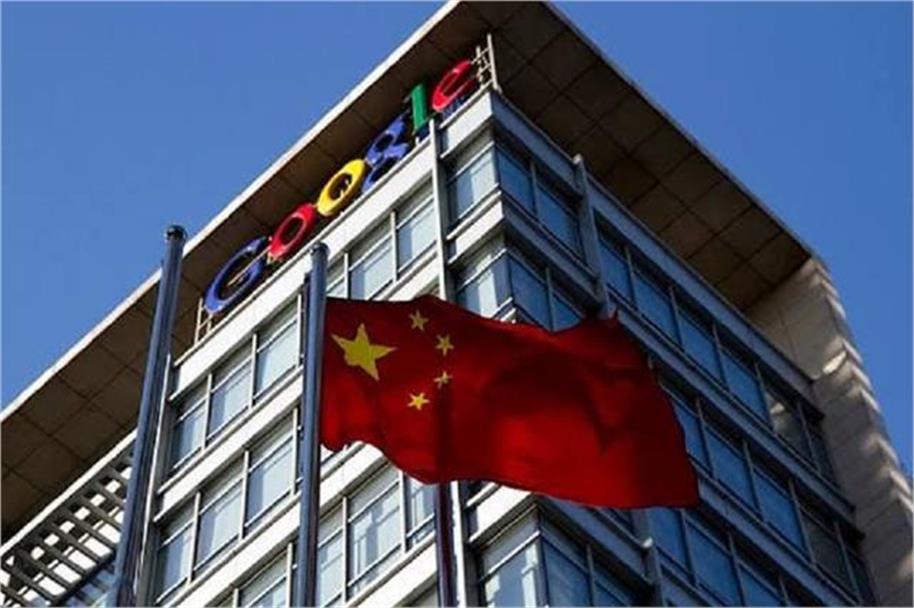
Washington: China has strongly criticised the US decision to sanction five Chinese companies allegedly connected to the theft of artificial intelligence (AI) technology from Google.
In a statement issued on Tuesday, China’s Ministry of Commerce said the move by US President Donald Trump’s administration had seriously undermined the legitimate rights and interests of Chinese businesses. Describing the decision as unacceptable, the ministry said China strongly opposed the sanctions.
It urged Washington to reverse what it called a wrongful action, warning that Beijing would take the necessary measures in response. However, the ministry did not provide details of any potential retaliatory steps.
The Chinese reaction followed the US State Department’s decision, announced a day earlier, to impose sanctions on five Chinese companies linked to Ding, the founder of Shanghai Zhisuan Technology.
According to the US State Department, Ding used his experience at Google to promote the claim that his company could develop technology comparable to the American technology giant’s superintelligence capabilities.
MiraclePlus, a programme that supports early-stage businesses, reportedly provided initial funding to Zhisuan in exchange for an equity stake. Both companies have been sanctioned, while three other Chinese firms linked to MiraclePlus have also been targeted.
The US State Department alleged that Zhisuan had knowingly participated in or benefited from the large-scale theft of trade secrets belonging to US individuals and organisations. The alleged activity took place on or after 5 January 2023.
Ding was charged in 2024 with stealing AI-related trade secrets from Google. Prosecutors alleged that he was secretly working for two China-based companies while still associated with the US technology firm.
In January 2026, a federal jury in San Francisco found Ding guilty on multiple counts of economic espionage and trade secret theft. However, a judge subsequently dismissed the economic espionage charges and sentenced him to 12 months in prison.
The US Department of Justice has appealed against the dismissal of the economic espionage charges.
Meanwhile, China’s Ministry of Commerce defended the country’s progress in artificial intelligence, attributing its achievements to sustained investment in research, innovation and independent scientific and technological development, alongside a commitment to international cooperation.
The ministry rejected allegations that China’s advances in AI had resulted from stolen intellectual property, insisting that the country’s technological achievements had no connection with the alleged theft of trade secrets.