
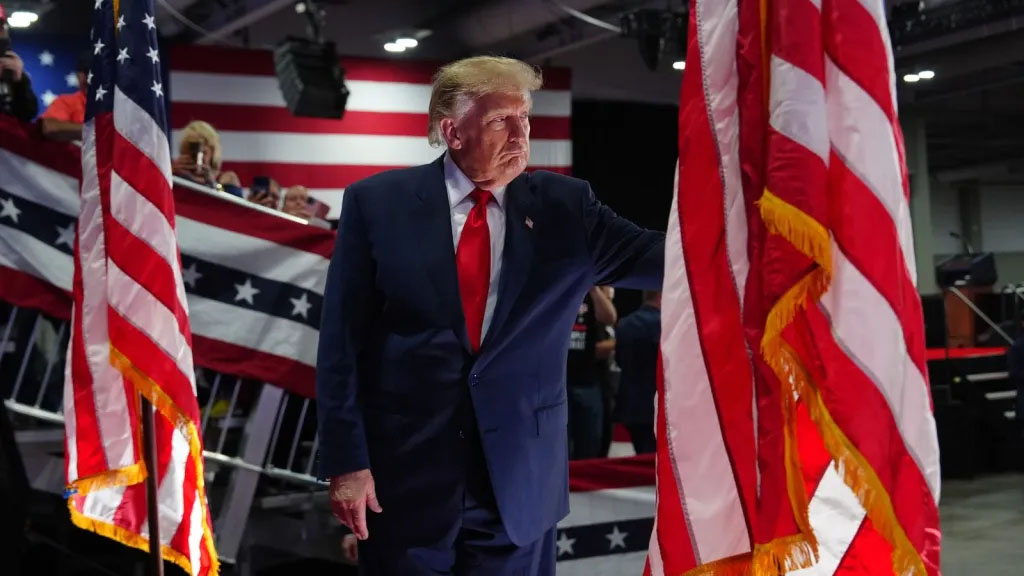
Trump says Russia will supply 300,000 tonnes of diesel at once, and the US has paused some sanctions. Zelenskyy calls it a weak decision, and analysts doubt prices will fall far.
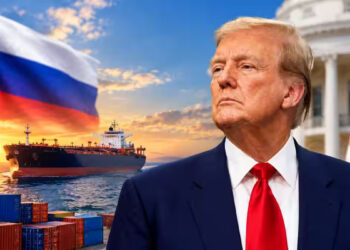
US President Donald Trump said on Friday, 9 October, that Russia has agreed to supply diesel to the United States and global markets, in a bid to bring down fuel prices, Reuters said. His administration also paused US sanctions on Russian fuel for a time. Those sanctions were set up to cut the money that funds Moscow’s war on Ukraine. Trump said Russia would send more than 300,000 tonnes at once, then 500,000 tonnes in November and 1 million tonnes soon after.
Diesel prices fell on the news, but analysts told Reuters the deal may not be enough to keep them down. Ukrainian President Volodymyr Zelenskyy criticised the move, which was announced while a Ukrainian team was in the US to discuss ways to end the war. The deal also lands less than four weeks before the 3 November congressional elections, in which Republicans are trying to keep their thin control of Congress.
Key points
- Zelenskyy called the US-Russia diesel deal “a weak decision on the part of strong partners”, Reuters said.
- He said the Ukrainian team in the US was being used as a front while the deal was announced.
- He made the comments on Friday, 9 October 2026.
WHAT THE DEAL SAYS
Trump said on social media that he had a “highly successful” call with Russian President Vladimir Putin, Reuters said. The two agreed that Russia would at once supply more than 300,000 tonnes of diesel to US and global markets. That is about 2.25 million barrels. For comparison, the US exports about 1.5 million barrels of diesel a day, Reuters said.
Trump said a further 500,000 tonnes would follow in November, then 1 million tonnes “immediately thereafter”. He said more would come after that, depending on the state of Russian refineries, which have been hit by Ukrainian attacks.
The US Treasury Department issued a licence that lets Russian diesel enter the US until 7 April. Kirill Dmitriev, an envoy for Putin, praised the co-operation on X. Reuters said sources told it that Dmitriev had asked US officials, during a visit to Washington last month, for licences so that all major Russian oil firms could export diesel to the US.
The US put sanctions on Russian oil companies in October 2025 over the war that began in 2022. Reuters said the diesel sales could bring Moscow billions of dollars.
REACTION FROM UKRAINE AND US LAWMAKERS
Zelenskyy said on X that gifts to Putin will not bring peace, and that Russia would “repay” the diesel with more terror. He called the accord an investment in a war that should be ended, and asked for real de-escalation with Russia on a reciprocal basis.
Speaking to reporters on WhatsApp, he said the deal would give Moscow extra funds for the war and weaken any work towards a settlement. He said he believed his team was being used as a front. He described the deal as “a weak decision on the part of strong partners”, Reuters said.
Republican Representative Don Bacon also criticised the deal. He said it was time to use the sanctions that Congress passed recently, not to lift them, and that Putin should not be given more money while Russian forces keep killing Ukrainian civilians, Reuters said.
WHAT DOES IT MEAN FOR PRICES AND THE WAR?
For prices, analysts told Reuters the effect will probably be small. Diesel is used in farming, home heating and trucking. Prices are up 70% since the US and Israel began the war with Iran on 28 February, and the average US price reached $6.28 a gallon on Thursday, according to the motorist group AAA. US diesel futures fell almost 5% after the news, to $4.64 a gallon.
Rory Johnston, an oil market researcher and founder of CommodityContext.com, said on X: “I cannot overstate how much of a nothing burger this is.” He added that Russia usually exports far more diesel than the deal covers when its refineries are not under attack. Jim Mitchell of the consultancy Wood Mackenzie said the deal is not a fix, but one more source of supply for a very tight market.
Trump has tried other steps. He pressed allies to release emergency stocks and widened access to red-dyed diesel, which is normally tax-exempt and used on farms. Prices stayed high. Three industry sources told Reuters that Trump will issue a directive in the next few days, possibly as a presidential memo, asking some department heads to find ways to control diesel prices. It would push officials to get around local and state rules that block energy output and to use the Cold War-era Defense Production Act to raise oil and fuel production.
For the war, the main question is money. The sales could give Moscow income at the same time as Kyiv is seeking more pressure on Russia, which is why Zelenskyy and some US lawmakers object.